
How to avoid dynamic pricing traps when booking UK staycations in 2026
Prices for UK holiday lets fluctuate based on demand and browser tracking, but there are proven ways to bypass these surges.
Stop the tracker, save the cash
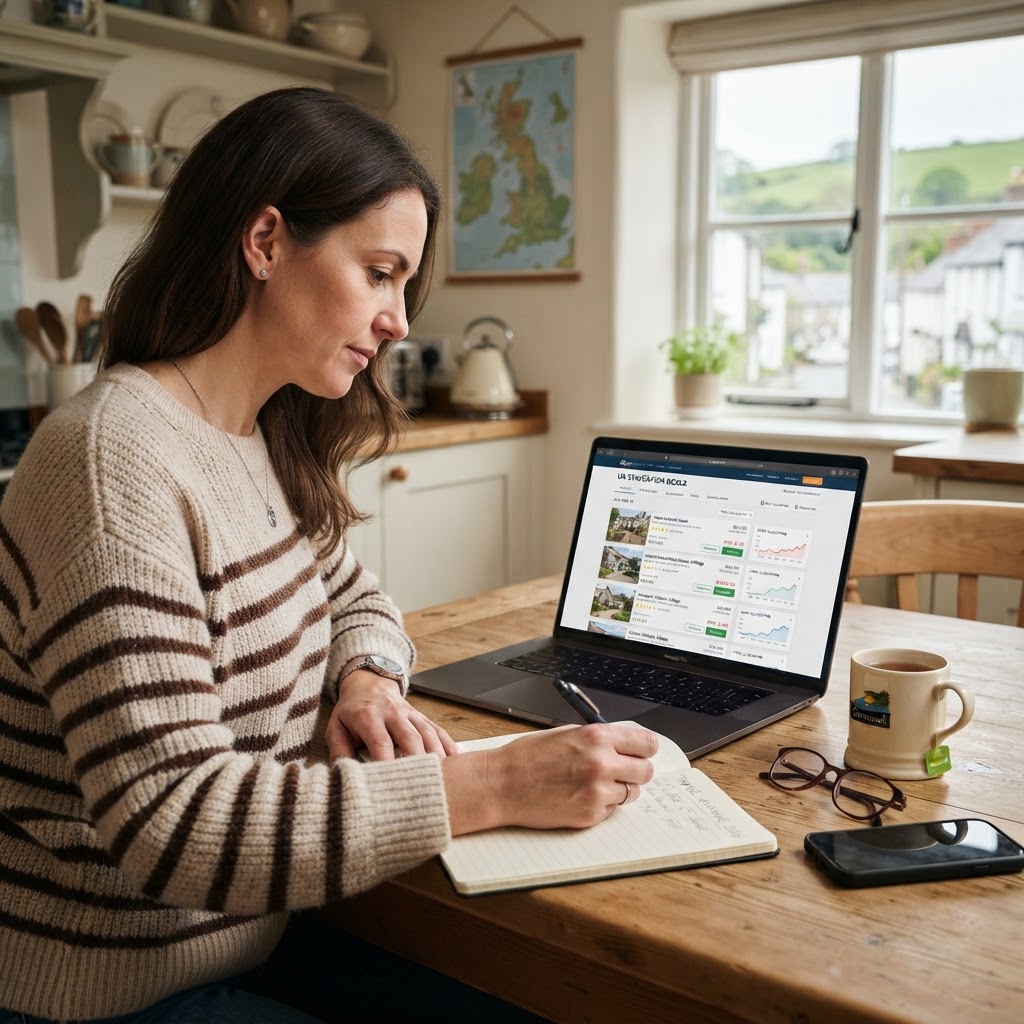
Many booking platforms use sophisticated tracking cookies to gauge your interest. If you search for the same cottage in the Cotswolds or apartment in Edinburgh repeatedly, the site's algorithm notes your intent. By the third or fourth visit, you may find the price has 'mysteriously' ticked upward. To stop this, always search in incognito or private mode. More effectively, use a dedicated browser for travel planning and clear your cache between sessions. If you have the patience, searching for the same property on a different device—preferably one not connected to your usual Wi-Fi—often reveals a lower, non-inflated price point.
The Monday morning advantage
Data from the last eighteen months indicates that prices for domestic holiday lets and hotels in the UK are refreshed on Sunday nights or early Monday mornings. Booking engines often reset their inventory and dynamic pricing models during these quiet periods. Conversely, searching on a Thursday evening or a Friday, when demand is peak, frequently triggers higher 'weekend premiums' even for mid-week stays. Aim to finalise your booking between 8:00 AM and 10:00 AM on a Tuesday or Wednesday. This is when the automated systems are least likely to be compensating for heavy weekend traffic.
Go direct to the source
While aggregators like Booking.com or Airbnb are convenient for comparison, they often charge commission fees of between 15% and 25%. Once you have identified a property you like, do not click 'book' immediately. Spend ten minutes searching for the property's own website or their local managing agency. Many hosts offer a 10% discount for direct bookings because they avoid the platform’s service fees. If they don't list a direct booking option, try calling them. A polite inquiry regarding 'last-minute availability' or 'direct booking rates' can often result in a discount that simply isn't available online, as the host is usually happy to keep the commission for themselves.
Leverage cancellation windows
Dynamic pricing isn't just about rising costs; it also relates to availability. Many owners drop their prices 21 to 30 days before a date if they have low occupancy. Set up Google Alerts for your chosen area or use tools like PriceAlerts to track specific listings. If you see a house sitting empty for a weekend next month, contact the host directly with a realistic lower offer. In the UK market, a guaranteed booking at 20% off is often more attractive to an owner than the risk of the property remaining vacant for the weekend. Always ensure you have a standard contract in place for such agreements to protect your consumer rights under the Consumer Rights Act 2015.
Check local events before you commit
Households often overlook regional events that cause price spikes. A local music festival or a national sporting event in a neighbouring town can inflate accommodation costs within a 30-mile radius. Before setting your heart on a location, check the local council website or 'What's On' guides. If you discover a major event, be prepared to pay a premium or shift your travel dates by just 48 hours. This simple shift can be the difference between a budget-friendly break and an overpriced disappointment.
One email. Every Sunday. The tips that actually save UK households money.
More on travel

How to avoid predatory airport luggage trolley fees in the UK
Many UK travellers are unknowingly paying over the odds for airport trolley rentals. Here is how to navigate the system and avoid unnecessary charges when travelling through British hubs.
How to avoid costly mid-contract price hikes on UK flight bookings
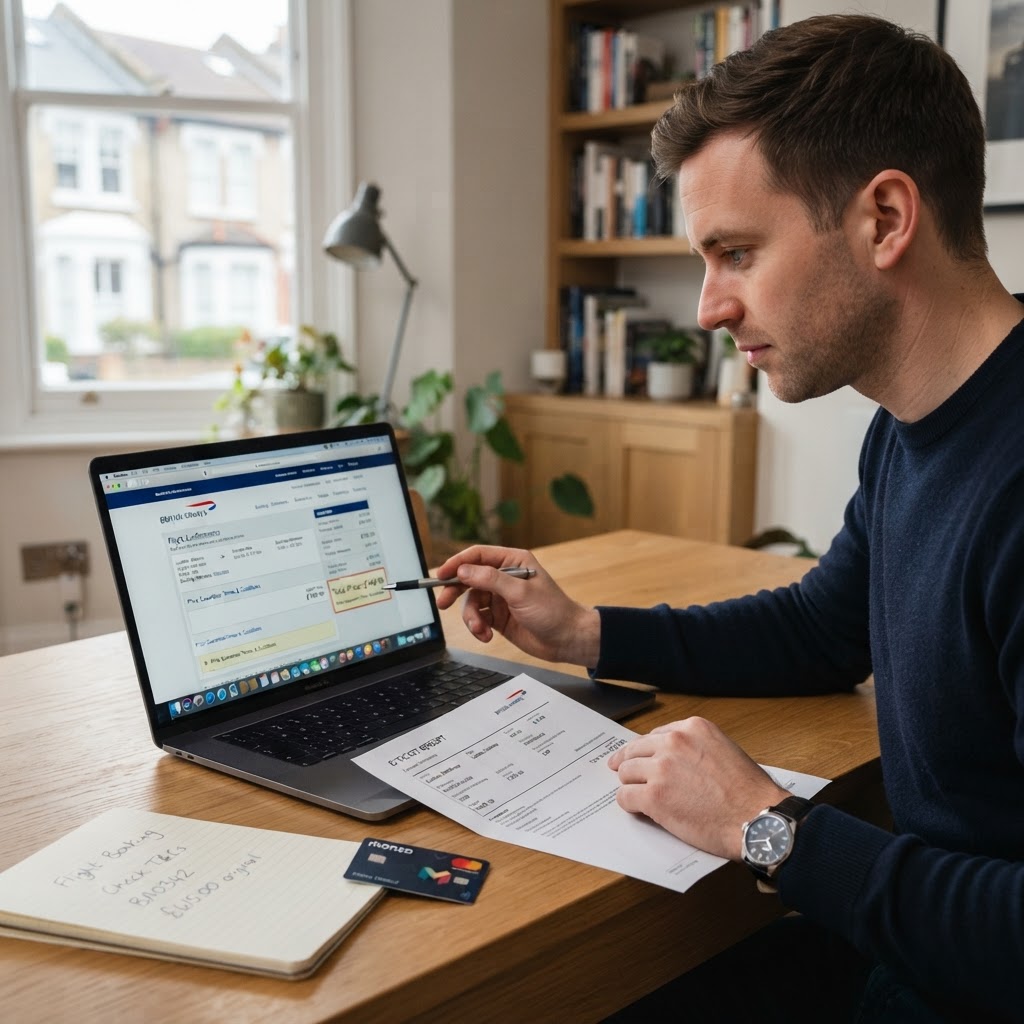
Airlines are increasingly using dynamic pricing and hidden surcharges after you click book. Here is how to lock in your price and avoid unexpected fees.

How to Find Affordable Weekend Getaways in the UK: A Family Travel Guide
Discover practical strategies for finding and booking affordable weekend getaways across the UK. Make the most of your family time without breaking the bank.