
The Yellow Sticker Playbook: When to Shop, What to Buy, How to Freeze It
Supermarket yellow stickers are your ticket to seriously reduced food bills. Learn the best times to find them, what bargains to look out for, and how to make sure you don't waste a single penny.
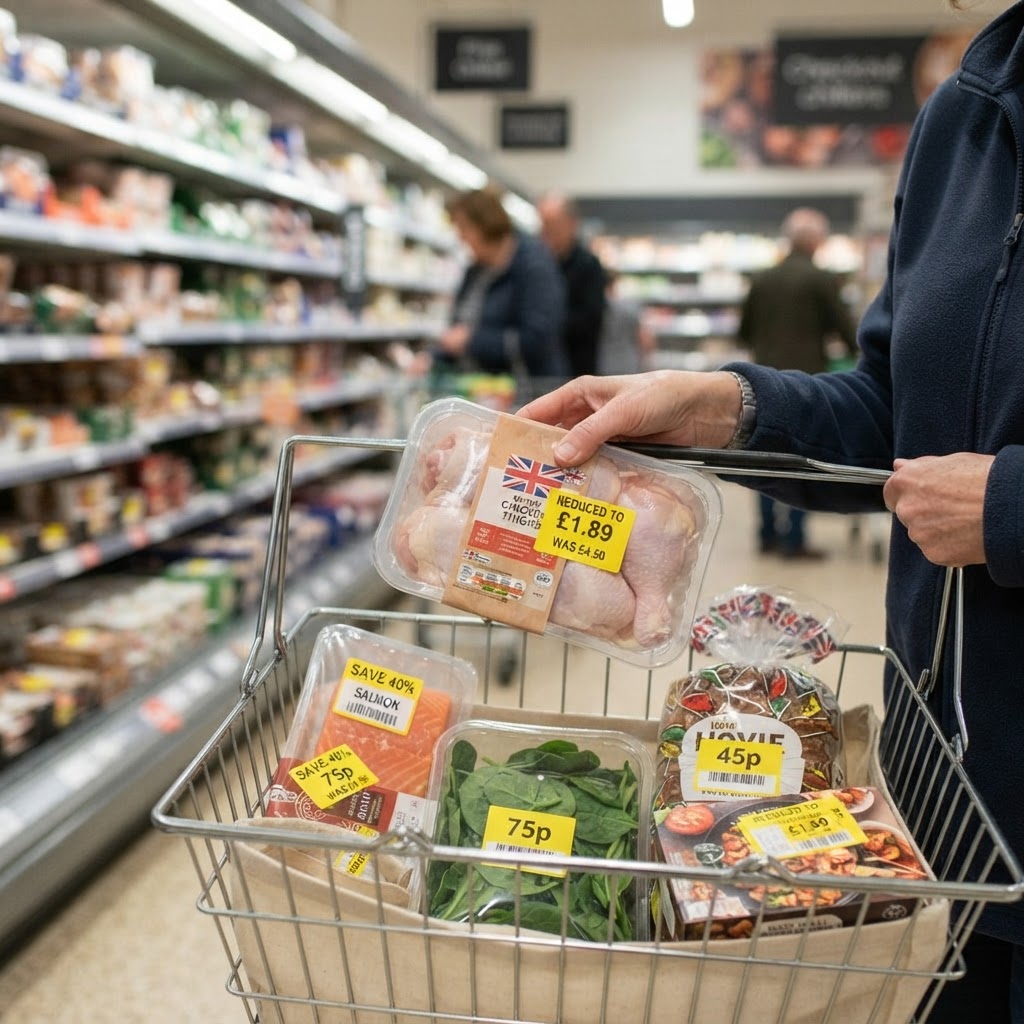
We all know the rising cost of living is biting hard, and for many households, the weekly grocery shop is one of the biggest outgoings. But what if I told you there's a strategic way to slash that bill, often by 50% or more, simply by changing when you shop and what you look for? I'm talking about the humble supermarket yellow sticker.
These stickers, signalling a significant price reduction on food nearing its sell-by date, are a treasure trove for savvy shoppers. Yet, many people miss out, either because they don't know the 'best times' or are unsure what to buy. This guide is your playbook to mastering the yellow sticker game.
Timing is Everything: Unlocking the Best Yellow Sticker Deals
Supermarkets aren't entirely random with their reductions. While specific times can vary slightly by store, there are general patterns that hold true. The key is to aim for the late afternoon and evening, particularly in the days leading up to and including the sell-by date.
- Larger Supermarkets (Tesco, Sainsbury's, Asda, Morrisons): These chains typically start their main yellow sticker reductions in the early to mid-afternoon, with a second wave of deeper discounts often occurring in the early evening (around 6pm-8pm). Some stores might put out fresh stickers for a second time just before closing.
- Discount Supermarkets (Aldi, Lidl): While known for their already low prices, they also participate. Their reductions might be less frequent but can be substantial. Look out for them in the late afternoon, particularly on items that may not have sold as quickly.
- Waitrose and M&S: These premium retailers often have good quality items reduced. Their timing can be similar to larger supermarkets, sometimes with reductions appearing earlier in the day on more delicate items like sandwiches or ready meals.
Pro Tip: It’s worth visiting your local store at different times to see their specific pattern. Some friendly chats with staff (when they aren't busy!) can also yield useful insights.
What to Buy: The Yellow Sticker Jackpot
Not all yellow-stickered items are created equal. Some offer far better value and longer shelf life (or freezing potential) than others.
- Meat and Fish: This is where the biggest savings are often found. Chicken breasts, mince, sausages, steaks, and fish fillets can be reduced by 50% or more. If you plan to cook and freeze portions immediately, these are fantastic buys.
- Dairy: Yoghurts, cheese, and butter are often reduced. As long as the sell-by date is a few days away, or you plan to freeze cheese or butter (yes, you can freeze both!), these are great additions.
- Bread and Baked Goods: Loaves of bread, rolls, crumpets, and even pastries can be heavily discounted. Freeze bread slices or rolls straight away for toast or sandwiches later.
- Fruit and Vegetables: While some fruit might be a bit bruised, often the reductions are on perfectly good items nearing their sell-by date. Get creative with them – cook down slightly soft berries into compotes, or use softer vegetables in soups and stews.
- Ready Meals and Meal Deals: These are often heavily discounted as the sell-by date approaches. Ideal for a quick, cheap meal if you're short on time, especially if you can eat them that evening or the next day.
What to be Cautious About:
- Freshly Prepared Salads and Sandwiches: Unless you plan to eat them within hours, these are usually best avoided as their shelf life is very short.
- Items with Very Soon Sell-By Dates: Always check the date. If it's today and you don't plan to eat it immediately, it might not be worth the risk.
The Freezing Factor: Making Yellow Stickers Last
This is arguably the most crucial part of the yellow sticker strategy. Many items reduced are nearing their sell-by date, but with a bit of foresight, you can extend their life dramatically through freezing.
- Meat: As soon as you get home, portion out mince into bags, freeze steaks individually, or freeze chicken breasts in family-sized portions. You can even freeze sausages and bacon.
- Bread: Slice loaves if they aren't already, and freeze in portioned bags. This prevents the whole loaf from going stale if you only use a few slices.
- Cheese: Grate hard cheese before freezing; it’s perfect for cooking. You can freeze butter too, either in blocks or slices.
- Cooked Meals: If you buy reduced ready meals or cook larger batches of food (like chilli or curry), freeze individual portions for future quick meals.
Defrosting Safely: Always defrost meat and cooked meals in the refrigerator overnight. Never defrost at room temperature. For bread, you can often toast it directly from frozen.
By adopting this 'yellow sticker playbook', you're not just saving money; you're also reducing food waste – a win-win for your wallet and the planet. Start incorporating these strategies, and you’ll be amazed at how much you can cut from your grocery bills without compromising on quality or quantity.
One email. Every Sunday. The tips that actually save UK households money.
More on shopping
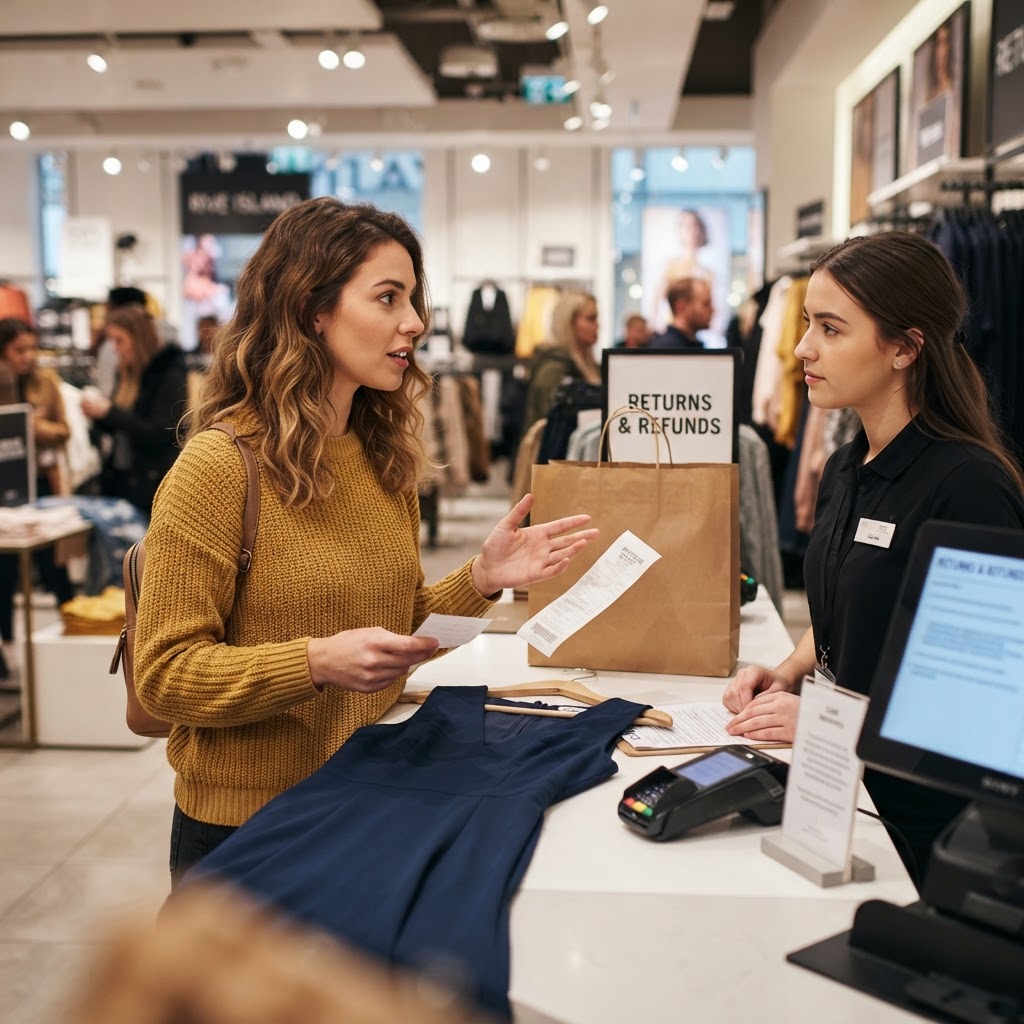
How to legally challenge and reverse unfair clothing returns policies in the UK
Retailers are increasingly tightening their returns policies, but you retain statutory rights. Here is how to fight back when a store refuses to process a legitimate refund.

How to check if your broadband and mobile provider is overcharging you mid-contract
Broadband and mobile bills often rise mid-contract due to inflation-linked clauses. Learn how to identify these hikes and challenge them effectively.

How to Take Advantage of UK Charity Shop Discounts and Deals in 2026
Discover how UK households can save money by shopping at charity shops, including tips for finding the best deals and understanding their discount policies.