
The best cashback credit cards in the UK for 2026
The two cards genuinely worth carrying in 2026 — and the catches that mean cashback cards aren't right for everyone.
Cashback credit cards make sense for one specific group of people: those who pay the balance in full every month and would have spent the money anyway. For anyone who carries even a small balance month-to-month, the interest rate (typically 24–29% APR) wipes out the cashback many times over.
If that first paragraph describes you, here is what's worth holding in 2026.
1. American Express Cashback Everyday Credit Card
- 5% cashback for the first three months (capped at £125).
- 0.5–1% ongoing thereafter on most spend, tiered by annual amount.
- No annual fee.
- Catch: Amex isn't accepted everywhere. Roughly 75–80% of UK retailers take it (now including most supermarkets and TfL). For the rest, you need a backup Visa or Mastercard.
Realistic first-year cashback for a household putting £1,500/month of accepted spend through it: £200–£260.
2. Barclaycard Rewards
- 0.25% cashback on all spend (Visa, near-universal acceptance).
- No fees on overseas spend — a genuine standout in 2026, as most cards charge 2.99%.
- No annual fee.
Lower headline rate, but the absence of overseas fees makes it the best card to take abroad. Travellers easily save £40–£100 a year on holiday spend.
The hybrid approach
The households extracting the most cashback typically run two cards together:
- Amex Cashback Everyday for supermarkets, fuel and general spend where it's accepted.
- Barclaycard Rewards for the remaining 20% and all overseas spend.
Combined realistic annual return on £18,000 of household spend: £220–£280.
When cashback cards are not for you
- You carry any balance month-to-month. Pay it off first; cashback cards are a luxury for the financially settled.
- You'd be tempted to spend more because of the rewards. Behavioural studies are clear: even small rewards inflate spending. If that applies, stay on debit.
- Your credit score is borderline. Multiple credit applications for marginal cashback gain damage future mortgage applications more than the cashback returns.
What to avoid
- Tiered cards with annual fees over £25 — for most households the breakeven spend is higher than they'll do.
- Store-branded cashback cards (Tesco, Sainsbury's, M&S) — the cashback is locked into the same retailer's vouchers and the effective rate is usually worse than Amex/Barclaycard on like-for-like spend.
Cashback cards aren't a way to make money. They're a small efficiency on money you were going to spend anyway. Treated as anything more, they cost more than they pay.
One email. Every Sunday. The tips that actually save UK households money.
More on shopping

How to legally challenge and reverse unfair clothing returns policies in the UK
Retailers are increasingly tightening their returns policies, but you retain statutory rights. Here is how to fight back when a store refuses to process a legitimate refund.

How to check if your broadband and mobile provider is overcharging you mid-contract
Broadband and mobile bills often rise mid-contract due to inflation-linked clauses. Learn how to identify these hikes and challenge them effectively.
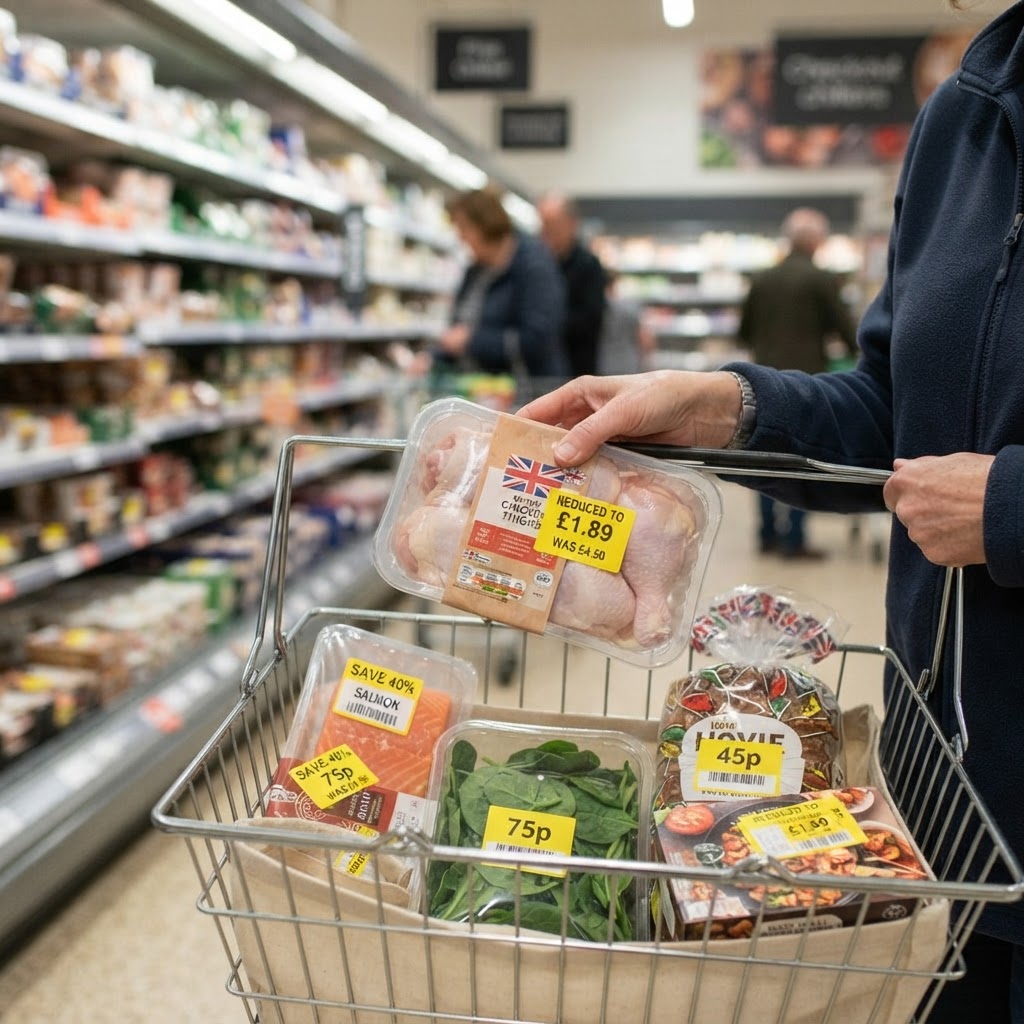
The Yellow Sticker Playbook: When to Shop, What to Buy, How to Freeze It
Supermarket yellow stickers are your ticket to seriously reduced food bills. Learn the best times to find them, what bargains to look out for, and how to make sure you don't waste a single penny.