
How to Avoid Foreign Transaction Fees on Your UK Debit Card in 2026
Most UK banks add a 2.75% to 3% charge when you use your debit card abroad. Here is how to sidestep these fees and keep your money in your account.
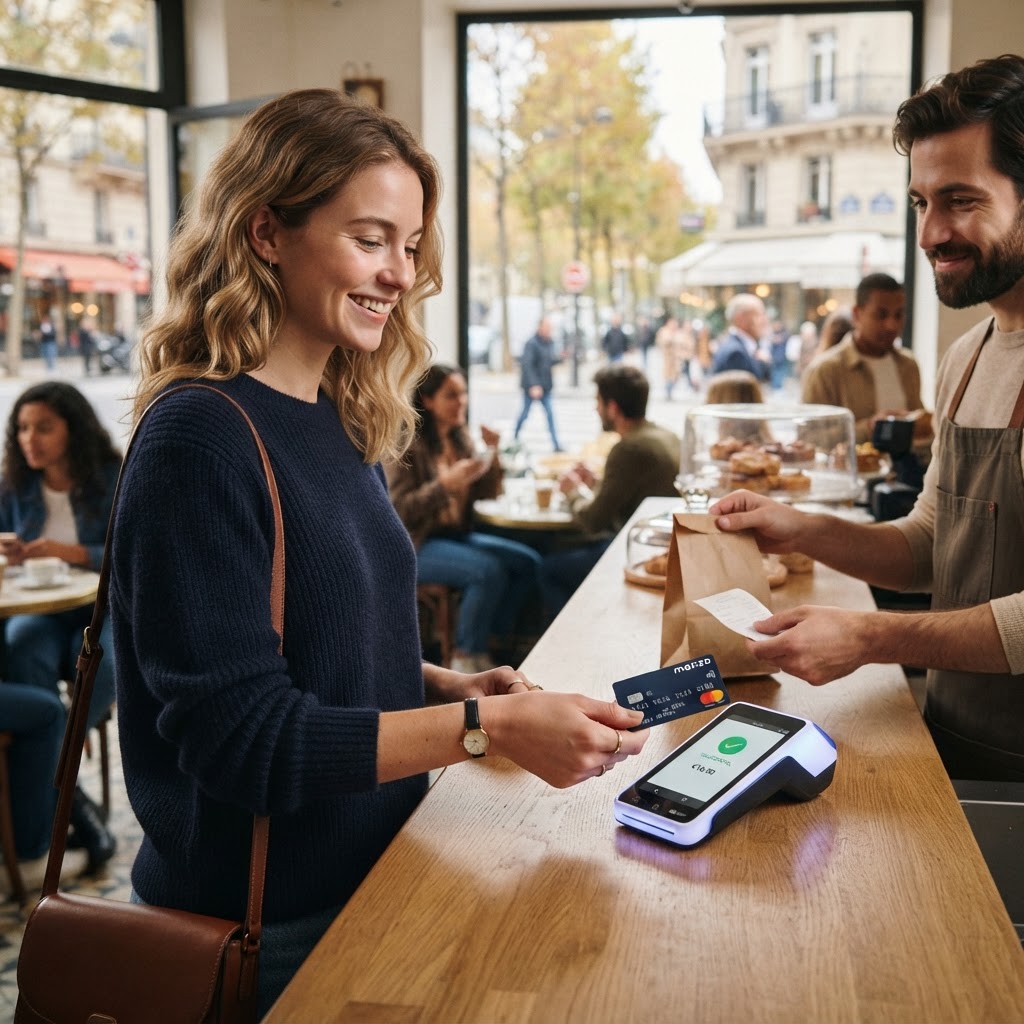
Most high street banks still charge you for the privilege of spending your own money abroad. If you use a standard UK debit card on holiday, your bank will typically slap a 2.75% to 3% non-sterling transaction fee on every purchase. Spend £1,500 over a two-week trip, and you have handed over £45 in fees before you even look at ATM withdrawal charges. Fortunately, with a bit of preparation, you can bypass these charges entirely.
What is a non-sterling transaction fee?
When you use your UK debit card to buy something in a currency other than pounds sterling, your bank has to convert the transaction back to GBP. To do this, most high street banks apply a non-sterling transaction fee, usually around 2.75% to 3% of the transaction value.
If you use an ATM abroad, the costs stack up further. Many banks charge a separate cash withdrawal fee—often a flat rate of around £1.50 to £2.50, plus the 2.75% currency conversion fee. Worse still, interest is sometimes charged on cash withdrawals immediately, even if you pay your balance off in full. Over the course of a family holiday, it is entirely possible to waste £60 to £100 purely on banking mechanics.
The UK debit cards with zero foreign transaction fees
You do not have to stick with your main bank account while travelling. Several UK banks and digital providers offer accounts that do not charge you for spending abroad. Opening one of these accounts usually takes ten minutes on your smartphone, and you can simply transfer funds into it before you travel.
Starling Bank: Starling’s standard current account charges absolutely nothing for overseas spending or ATM withdrawals. You get the Mastercard exchange rate with no markup, making it one of the most straightforward travel cards on the market.
Chase UK: Chase does not charge foreign transaction fees on its debit card. As an added bonus, they currently offer 1% cashback on most debit card spend, up to a maximum of £15 per month, which applies globally.
Monzo: Monzo allows you to spend abroad fee-free up to £1,000 in any rolling 30-day period. If you exceed £1,000, a 3% fee applies to further spending. For most holidays, this limit is more than sufficient.
First Direct: If you prefer a traditional bank, the First Direct 1st Account does not charge a non-sterling transaction fee for debit card purchases abroad. However, they do charge a 2.75% fee for cash withdrawals at foreign ATMs, so it is better for meals and shopping than for getting cash out.
Credit cards vs debit cards for overseas spending
If you are making a large purchase abroad—such as hiring a car or paying for accommodation—it is worth considering a specialist travel credit card instead of a debit card. Cards like the Halifax Clarity or Barclaycard Rewards do not charge foreign transaction fees.
The main advantage of a credit card is consumer protection. Under Section 75 of the Consumer Credit Act 1974, the credit card provider is jointly liable with the retailer for purchases between £100 and £30,000. If the hotel goes bust or the car hire firm goes rogue, you can claim your money back from the card provider. Debit cards only offer the weaker 'chargeback' scheme, which is not a legal right.
However, never use a travel credit card for ATM withdrawals. Most card providers charge interest on cash withdrawals from the day you make the transaction, regardless of whether you pay your statement in full. For cash, stick to a fee-free debit card like Starling or Chase.
The hidden trap: dynamic currency conversion
Even if you have a fee-free card, you can still lose money if you fall for dynamic currency conversion (DCC). This happens when a foreign card terminal, ATM, or online checkout asks if you want to pay in pounds sterling or the local currency.
Always choose the local currency. If you choose pounds, the foreign merchant’s bank will handle the conversion. They invariably use a terrible exchange rate and add their own hidden fees, often costing you an additional 4% to 6%. By selecting the local currency, your UK bank’s card network (Visa or Mastercard) handles the conversion at a highly competitive wholesale rate.
A final check before you fly
Before you set off, let your bank know you are travelling. Most modern banking apps have a toggle in the settings to mark that you are going abroad, which prevents their automated fraud systems from blocking your card when you try to buy a coffee at the airport. Take two different cards from two different providers just in case one gets swallowed by a foreign cash machine.
Spending five minutes opening a fee-free account before you travel is one of the easiest financial wins available to UK households. The money you save on bank fees is much better spent on the holiday itself.
One email. Every Sunday. The tips that actually save UK households money.
More on banking
How to legally request a bank account fee waiver for hardship in the UK
Many banks have internal policies to waive overdraft and maintenance fees if you are experiencing genuine financial distress. Here is how to make a successful request.
How to legally challenge and reverse unfair bank transaction fees in the UK
Bank charges can feel like a penalty for simply existing, but many fees are open to challenge if they breach consumer protection regulations. Here is how to audit your account and reclaim money that was taken unfairly.
How to reclaim 'forgotten' interest from closed UK savings accounts
Thousands of savers leave money sitting in dormant accounts they have long forgotten. Here is how to track down your lost cash and get it back into your pocket.