
How to reclaim 'forgotten' interest from closed UK savings accounts
Thousands of savers leave money sitting in dormant accounts they have long forgotten. Here is how to track down your lost cash and get it back into your pocket.
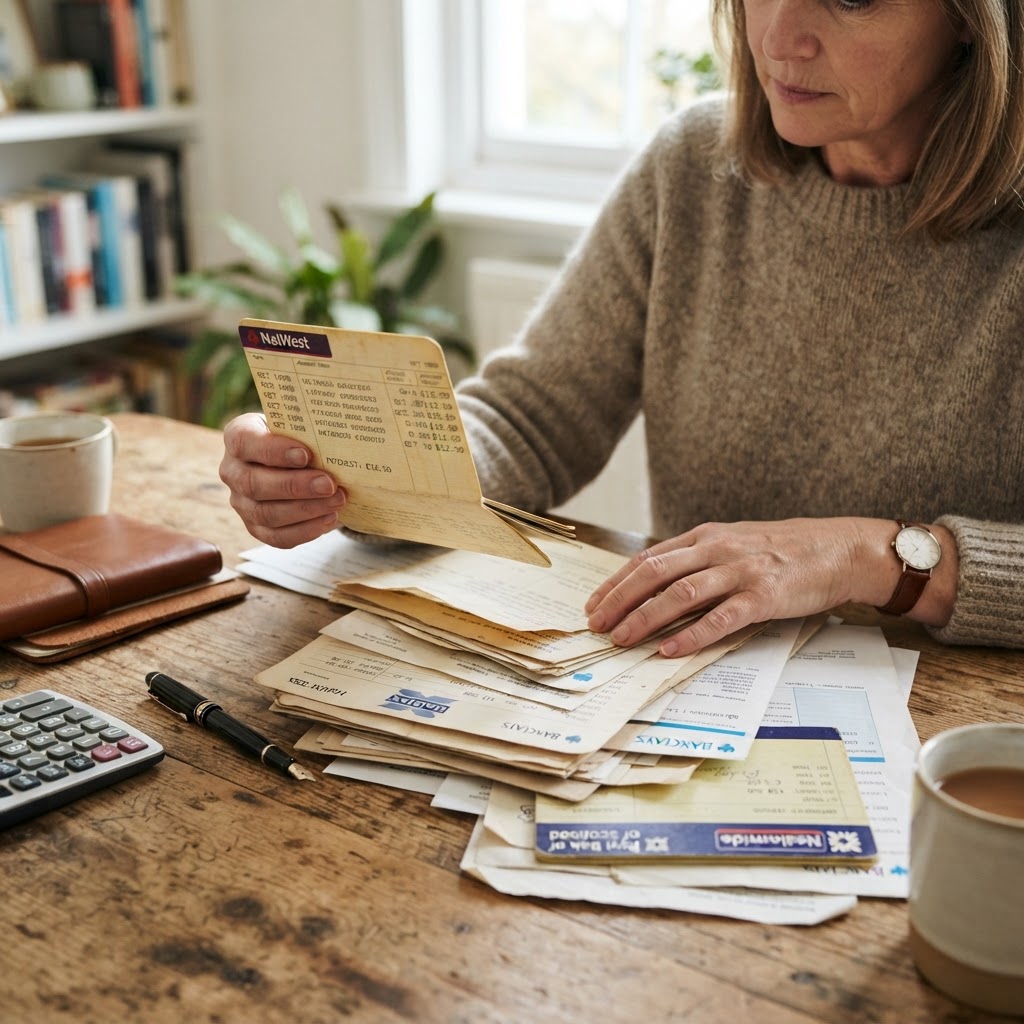
Tracking down your lost savings
It is surprisingly common for UK households to lose track of savings accounts. Perhaps you moved house, changed your name, or simply stopped using a high-street account that has since been left to gather dust. When an account has been inactive for 15 years, banks often classify these as 'lost' or 'dormant' assets, moving the funds into the Reclaim Fund under the government's dormant assets scheme. However, even before that point, millions of pounds sit in accounts earning negligible interest, which you are entitled to claim.
The first step to recovering your money is using the free My Lost Account service. This is a collaboration between UK Finance, the Building Societies Association, and National Savings and Investments (NS&I). By filling out a single, albeit detailed, form, you can search across multiple institutions simultaneously. You will need your national insurance number and any historical addresses associated with the accounts you suspect exist.
Why checking for 'zombie' accounts matters
Many older accounts, particularly those opened decades ago, may have been moved into 'legacy' products that pay interest rates as low as 0.01%. Inflation is currently eroding the purchasing power of these savings far faster than the bank is paying you interest. Even if you do not find a lost fortune, you are likely to find a small pot of money that is better served in a high-interest savings account, such as a top-tier easy-access account currently offering 5% AER.
Be aware that banks have a legal duty to reunite customers with their money. If you suspect you have an account with a specific provider, contact their 'customer recovery' or 'dormant accounts' department directly. They are required to search their records. If the account is indeed dormant, they will guide you through the verification process to release the funds.
The role of the Reclaim Fund
If your account has been dormant for 15 years, it may have been transferred to the Reclaim Fund. This does not mean the money is gone; the fund was established to ensure that customers can still claim their money back at any time. When you reclaim assets from this fund, the original bank remains responsible for processing your request. You should not be charged a fee to retrieve your own money. If a third party approaches you offering to track down your 'lost assets' for a commission, refuse immediately. These services are almost always unnecessary, as the tools to do this yourself are provided free by the banking industry.
Reinvesting your reclaimed funds
Once you have successfully reclaimed your balance, do not leave it in a low-interest current account. If you have been living without this money for years, you are in a prime position to build an emergency fund. Look for the current 'best buy' tables from reputable sources like Which? or MoneySavingExpert to find an account that pays a competitive rate. Before opening a new account, check that the provider is covered by the Financial Services Compensation Scheme (FSCS), which protects up to £85,000 per person, per banking group. This ensures that the money you worked so hard to track down is safe and finally working for you, rather than for the bank.
One email. Every Sunday. The tips that actually save UK households money.
More on banking

How to legally request a bank account fee waiver for hardship in the UK
Many banks have internal policies to waive overdraft and maintenance fees if you are experiencing genuine financial distress. Here is how to make a successful request.
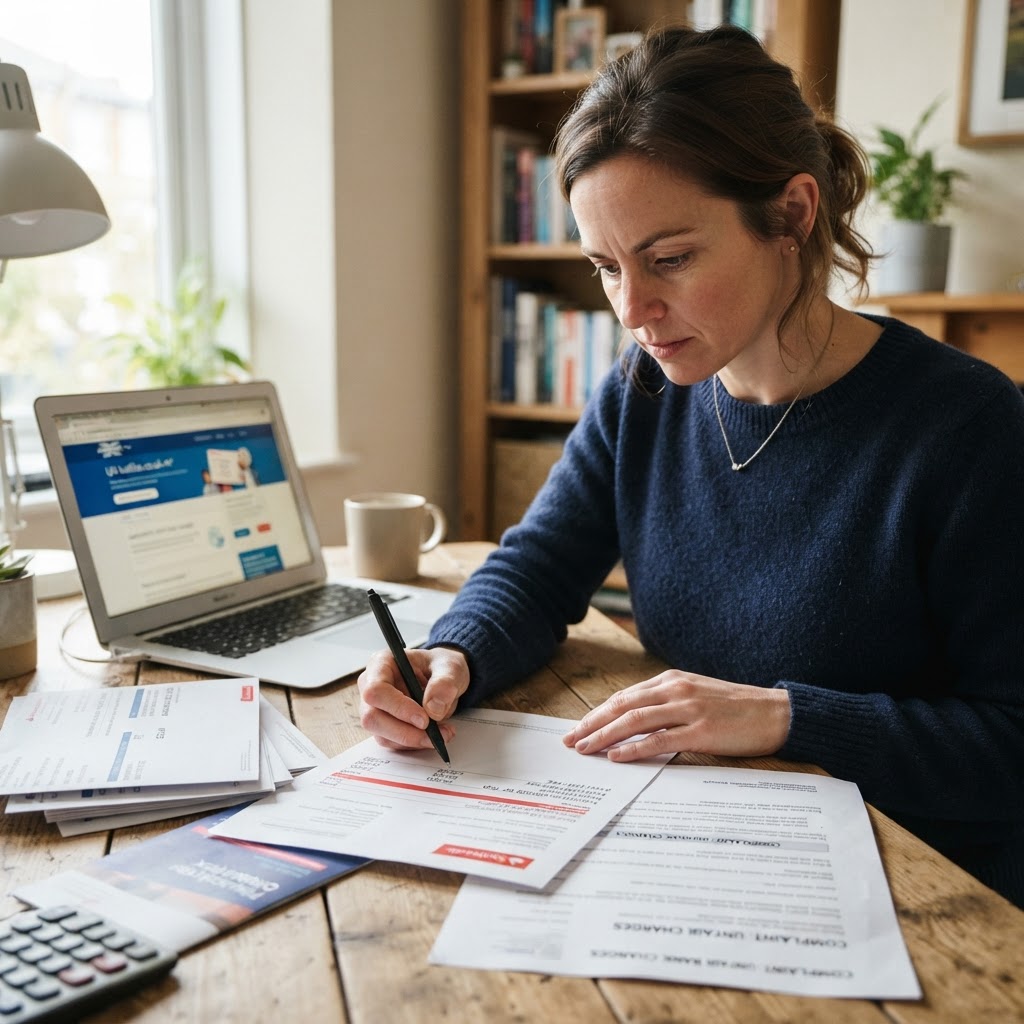
How to legally challenge and reverse unfair bank transaction fees in the UK
Bank charges can feel like a penalty for simply existing, but many fees are open to challenge if they breach consumer protection regulations. Here is how to audit your account and reclaim money that was taken unfairly.

How to Avoid Foreign Transaction Fees on Your UK Debit Card in 2026
Most UK banks add a 2.75% to 3% charge when you use your debit card abroad. Here is how to sidestep these fees and keep your money in your account.