How to Choose the Best UK Bank Account for Your Needs in 2026
Choosing the right bank account can save you money and provide better benefits. Explore how to evaluate options in 2026 to find the best fit for your finances.

Understanding Bank Account Types
When it comes to banking in the UK, there are several types of accounts available, and each serves a different purpose. The most common types include:
- Current Accounts: These are everyday accounts that allow you to manage your day-to-day finances, including direct debits, standing orders, and debit card transactions.
- Savings Accounts: Designed for saving money with a higher interest rate than a current account, these accounts can be fixed-term or instant access.
- Joint Accounts: Ideal for couples or partners, these accounts allow two individuals to manage shared finances.
- Specialty Accounts: These can include student accounts, business accounts, or accounts that offer specific perks, like travel insurance.
Understanding which type of account you need based on your lifestyle and financial goals can help you make an informed decision.
Key Features to Consider
When choosing a bank account, consider the following features:
1. Monthly Fees and Charges
Some banks charge monthly fees for their accounts, often at around £5-£15. It's essential to weigh the benefits provided against these fees. Look for fee-free accounts or those that waive fees if you maintain a minimum balance.
2. Interest Rates
For savings accounts, interest rates can vary significantly. In 2026, look for accounts offering competitive rates—generally ranging from 0.5% to 3%. Compare providers using the FCA's comparison tools to find the best deal.
3. Overdraft Facilities
If you often find yourself in need of extra funds, consider the overdraft facilities. Some banks provide interest-free overdrafts of up to £300, while others may charge up to £40 per day. Check the terms carefully before committing.
4. Rewards and Bonuses
Many banks offer incentives for signing up, such as cashback, increased interest rates, or gifts like vouchers worth up to £200. Monitor these offers closely, especially those from challenger banks like Monzo or Starling.
5. Online and Mobile Banking Platforms
In the digital age, robust online and mobile banking services are crucial. Evaluate how user-friendly each bank’s app is, and check for key features such as budgeting tools and transaction notifications.
Researching Your Options
The UK banking landscape has evolved, with numerous options available. To make an informed choice:
- Compare Online: Use comparison sites like Which? or MoneySuperMarket to find current account offerings. These platforms allow you to compare interest rates, fees, and features comprehensively.
- Read Customer Reviews: Checking reviews on Trustpilot can provide insight into the customer service quality and overall satisfaction with specific banks.
- Consult Personal Finance Guides: Resources like Martin Lewis’s MoneySavingExpert offer valuable advice and updated information on bank accounts.
Switching Banks Made Easy
If you find a better bank account, switching is easier than ever thanks to the Current Account Switch Service (CASS). This service guarantees the transfer of your existing payments and balances, typically within seven working days, and will ensure that your direct debits and payments shift seamlessly.
Additionally, many banks offer cash rewards for switching, so look out for promotions that can benefit you financially.
Conclusion
Choosing the right bank account can lead to significant savings and better financial management. By understanding the different types of accounts, comparing features, and leveraging switching services, you can find a banking solution tailored to your needs.
Keep an eye on interest rates and offers throughout the year to ensure you’re continuously making the most of your finances. With careful consideration, the right bank account can save you both money and hassle in 2026 and beyond.
One email. Every Sunday. The tips that actually save UK households money.
More on banking

How to legally request a bank account fee waiver for hardship in the UK
Many banks have internal policies to waive overdraft and maintenance fees if you are experiencing genuine financial distress. Here is how to make a successful request.
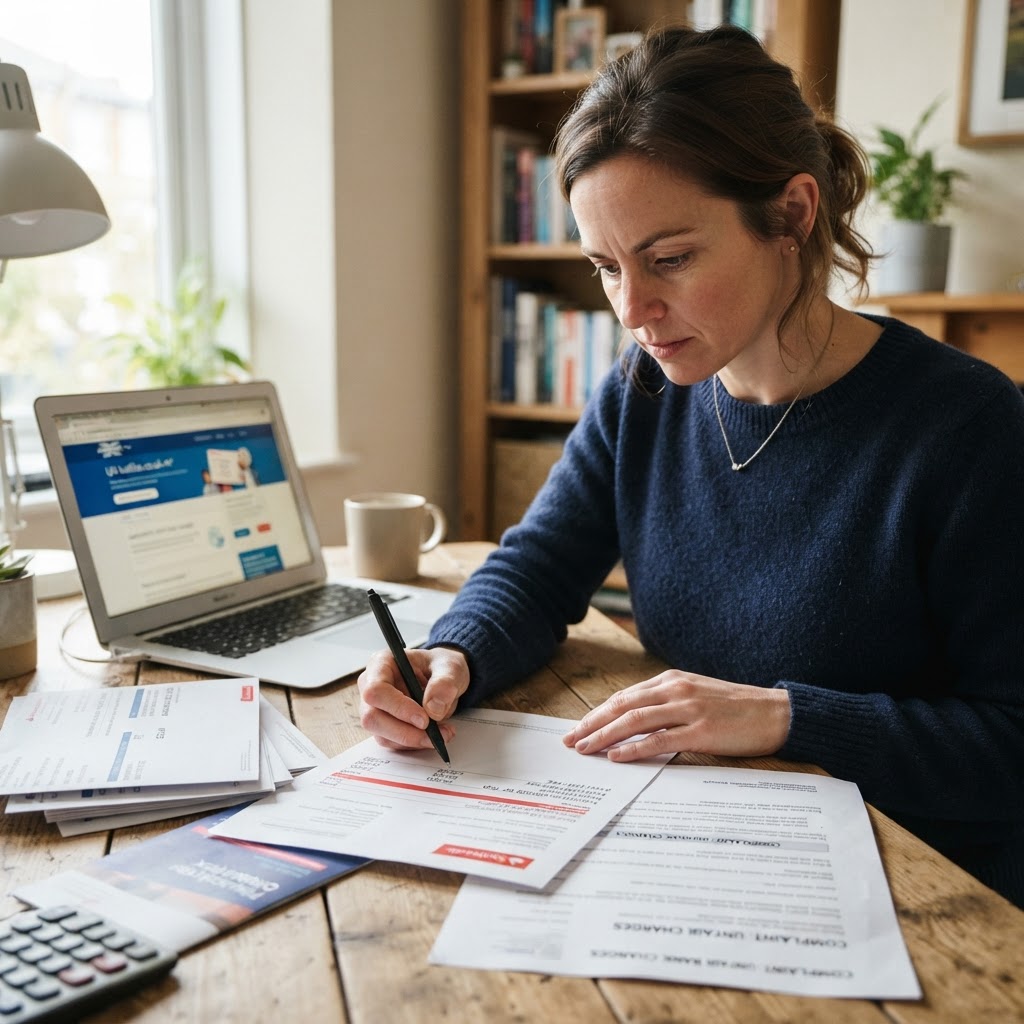
How to legally challenge and reverse unfair bank transaction fees in the UK
Bank charges can feel like a penalty for simply existing, but many fees are open to challenge if they breach consumer protection regulations. Here is how to audit your account and reclaim money that was taken unfairly.

How to reclaim 'forgotten' interest from closed UK savings accounts
Thousands of savers leave money sitting in dormant accounts they have long forgotten. Here is how to track down your lost cash and get it back into your pocket.