
How to Save Money on UK Rail Travel Using Advanced Booking and Discounts
Discover how to effectively cut your UK rail travel costs with advanced booking strategies and available discounts.
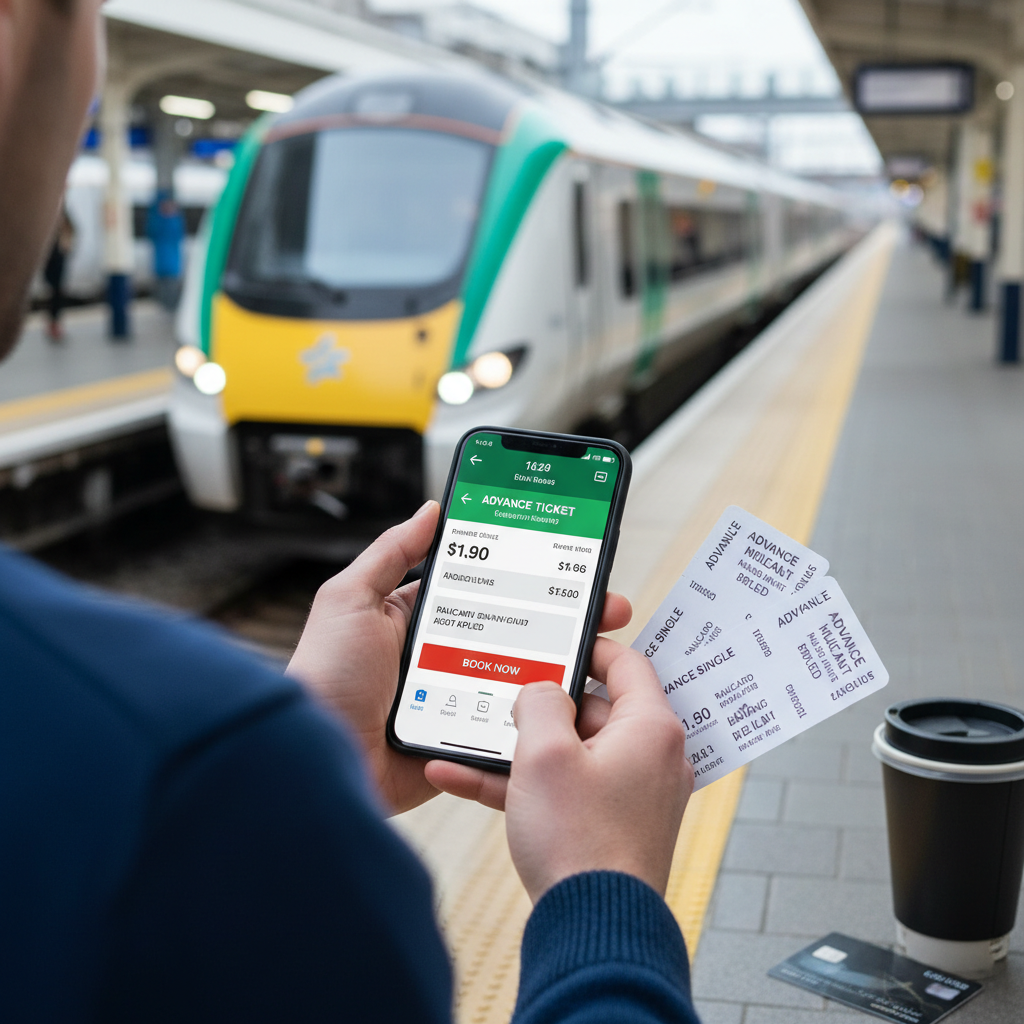
Understand the Pricing Structure
UK rail tickets can often appear complicated, but having a grasp on how pricing works can be your first step towards savings. In general, tickets are cheaper when booked in advance, and costs can vary significantly based on demand. Mainline train fares can vary from the standard Anytime fare, which allows for more flexibility, to the Off-Peak fare that can provide substantial savings if you can travel during less busy hours.
Prices can increase substantially closer to the travel date, so if possible, aim to book your tickets at least two to twelve weeks in advance for the best deals. You can often save up to 60% by booking early, especially on popular routes. For example, a standard train ticket from London to Manchester can be purchased for as low as £20 when booked early instead of the usual upwards of £100 closer to the departure date.
Take Advantage of Railcards
Railcards are a popular way for UK residents to save on train fares. Available to various groups—including young people (16-25), seniors (over 60), families, and disabled individuals—railcards can offer a third off many journeys. The average cost of a railcard is about £30 for a year, meaning if you travel just a few times, the savings can quickly offset the upfront cost. Here are some popular options:
- 16-25 Railcard: Ideal for younger travellers, it offers a third off rail fares and can save up to £220 a year for frequent travellers.
- Senior Railcard: For those over 60, this railcard offers similar discounts and can save you considerable amounts on off-peak fares, which can provide savings of up to £100+ annually.
- Family & Friends Railcard: Perfect for family trips, it allows adults to save a third and gives discounted fares for up to four children traveling with them.
Explore Online Deals and Operator Offers
Many train operating companies provide exclusive online discounts, special fares, and flash sales which can significantly reduce the cost of your travels. Signing up for newsletters from train companies like Virgin Trains, East Midlands Railway, and CrossCountry can alert you to special promotions. Websites like Trainline and National Rail also offer easy access to comparing ticket prices across different operators, ensuring you get the best value.
Consider checking the "Advance" fares which are low-cost tickets aimed at early bookers. Operated by most rail companies, these fares can often be substantially cheaper; for instance, a ticket from Birmingham to London can drop from £50 to £19.
Consider Split Ticketing
An increasingly popular method among savvy travellers is split ticketing. This involves breaking your journey into segments where you buy separate tickets for each segment. This can sometimes lead to lower total fares, as some ticket systems do not calculate this method in their initial fare quote. Split ticketing websites like TrainSplit can help you find cheaper routes without excess inconvenience, potentially saving you upwards of £30 on certain journeys.
For example, instead of purchasing a direct ticket from Liverpool to London for £75, you might buy a ticket from Liverpool to Manchester (£20) and then a ticket from Manchester to London (£30), resulting in a total cost of £50. The savings can add up significantly, especially for frequent travellers.
Choose Off-Peak Travel
Travel at off-peak times can result in lower fares. Off-peak travel varies by train operator, but generally, it refers to any time that is not during busy commuter hours. Avoid traveling during the early morning rush hours (7:00-9:30) or late afternoon (4:00-6:30), where possible. For example, a trip during the off-peak period from London to Edinburgh could cost around £45, compared to over £120 during peak times.
Summary
Saving money on UK rail travel involves a combination of advanced preparation, understanding the ticketing structure, leveraging discounts like railcards, taking advantage of online fares, and considering split ticketing and off-peak travel. By applying these strategies, UK consumers can dramatically reduce their annual travel expenditures, potentially saving from £100 to £500 depending on frequency of use and journey distances.
Whether you are commuting for work or planning your next family adventure, these tips can help you get a handle on what can be a regularly high expense.
One email. Every Sunday. The tips that actually save UK households money.
More on travel
How to avoid costly mid-contract price hikes on UK flight bookings
Airlines are increasingly using dynamic pricing and hidden surcharges after you click book. Here is how to lock in your price and avoid unexpected fees.
How to avoid dynamic pricing traps when booking UK staycations in 2026
Prices for UK holiday lets fluctuate based on demand and browser tracking, but there are proven ways to bypass these surges.

How to Find Affordable Weekend Getaways in the UK: A Family Travel Guide
Discover practical strategies for finding and booking affordable weekend getaways across the UK. Make the most of your family time without breaking the bank.