
How to Switch Your UK Bank Account for Maximum Benefits in 2026
Switching your bank account can yield significant financial benefits. This guide explains how to make the most of the current offers and choose the right account for your needs.
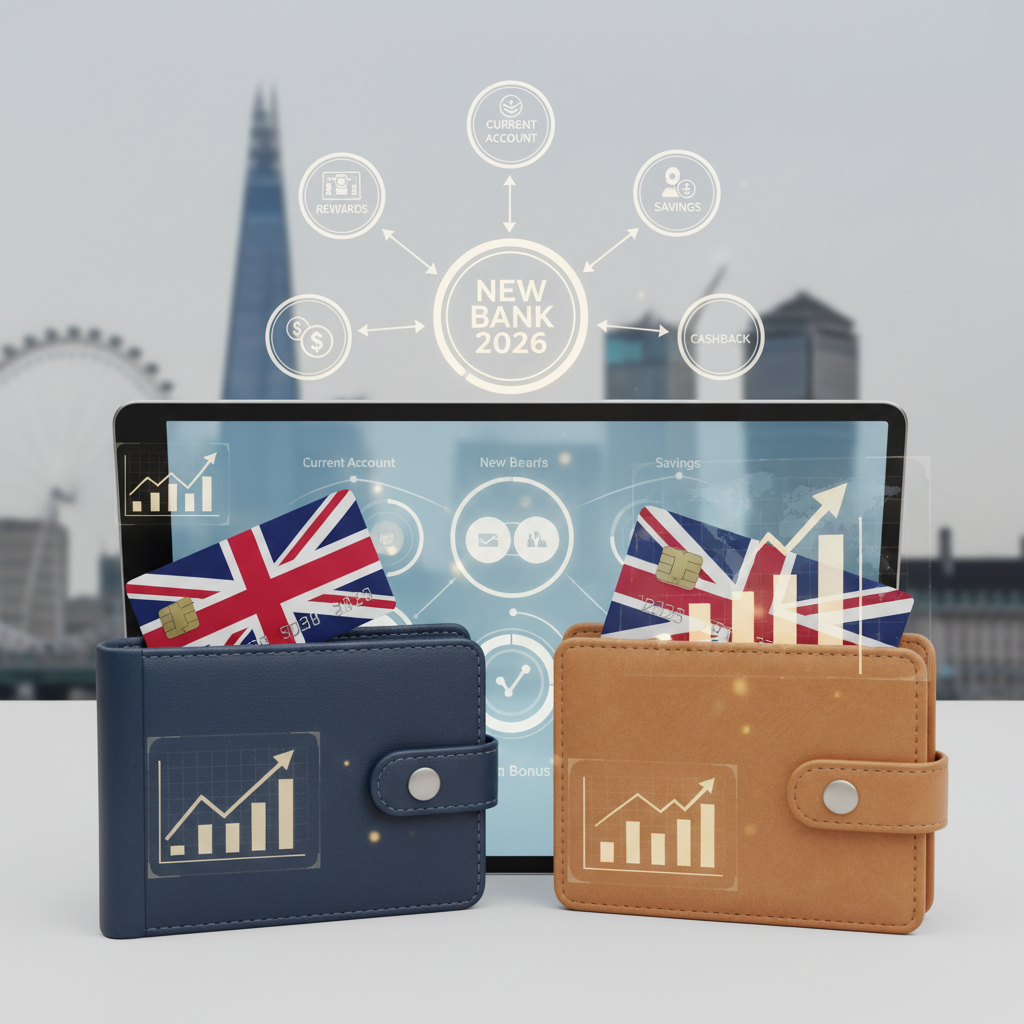
Switching your bank account in the UK can bring a range of potential benefits, from enhanced services to cash bonuses. Whether you're looking for better interest rates or just want to move away from your current provider’s high fees, understanding how to switch accounts effectively can lead to significant savings. Here we explore the current landscape of UK bank accounts and how to approach the switching process.
Why Switch Bank Accounts?
Many people remain with their current bank accounts out of habit, but doing so can be costly. UK banks constantly compete for customers by offering attractive incentives and better services. If your current account doesn’t meet your needs or is missing out on benefits, now is the perfect time to consider changing providers.
Here are some key reasons to switch:
- Cash Incentives: Many banks offer cash bonuses (up to £200) to new customers who switch.
- Higher Interest Rates: Some accounts provide better interest rates for your savings.
- Lower Fees: Avoid overdraft fees and other charges by choosing an account that fits your spending habits.
- Enhanced Features: New features such as budgeting tools or instant notifications can help manage your finances more effectively.
Current Switching Offers in the UK
As of 2026, several banks are enticing new customers with appealing incentives:
- HSBC: Offers up to £200 for switching to their Advance Account if you have a minimum of two direct debits.
- NatWest: Provides a £175 bonus when you switch and pay in at least £1,250 monthly.
- Santander: Grants new customers £130 when switching, plus a potential 1% cash back on qualifying purchases with a feature-rich 123 Account.
You can use the Government-backed Current Account Switch Service, which simplifies the process, making it seamless; all direct debits and standing orders transfer automatically.
Things to Consider Before Switching
Before making the leap, it’s important to evaluate what you need from your new bank account. Here are some considerations:
- Fees: Look for accounts that have low or no monthly fees.
- Accessibility: Ensure the bank has a convenient online banking app or a nearby branch, depending on your preference.
- Features: Identify if you need features like overdrafts, savings accounts linked to your main account, or specific service levels like customer support.
- Interest Rates: Compare how much interest banks offer on both current and savings accounts, as the right rates can boost your finances significantly over time.
How to Switching Process Work?
- Choose Your New Account: Compare the packages available according to your needs and preferences as mentioned above.
- Initiate Switch: Use the Current Account Switch Service, which takes care of the transfer. Alternatively, contact your new bank or do it online.
- Notify Your Old Bank: Inform your old bank about your switch; they may try to offer you a better deal.
- Monitor the Transition: During the switching process, keep an eye on your old and new bank accounts to ensure all payments are going through correctly.
- Close Your Old Account: Once all transactions are fully settled, either after a few months or as recommended by your new bank, remember to close your old account correctly to avoid unnecessary charges.
Potential Savings from Switching Accounts
Switching your bank account can result in substantial savings in fees and charges, as well as potential gains from cash bonuses and lower interest rates. For an average household, switching to a more favourable account could save you around £250 a year. This estimate takes into account avoided fees, lower interest on overdrafts, and cash bonuses typically offered by banks.
In summary, switching your bank account isn’t just a chore; it can lead to better terms that truly benefit your financial situation. Emergency funds, planned expenses, or even taking your family on holiday can be made easier by simply reassessing where your money lives. Therefore, don't miss the chance to compare options, explore offers, and make the switch today.
Make 2026 the year you take control of your banking!
One email. Every Sunday. The tips that actually save UK households money.
More on banking

How to legally request a bank account fee waiver for hardship in the UK
Many banks have internal policies to waive overdraft and maintenance fees if you are experiencing genuine financial distress. Here is how to make a successful request.
How to legally challenge and reverse unfair bank transaction fees in the UK
Bank charges can feel like a penalty for simply existing, but many fees are open to challenge if they breach consumer protection regulations. Here is how to audit your account and reclaim money that was taken unfairly.

How to reclaim 'forgotten' interest from closed UK savings accounts
Thousands of savers leave money sitting in dormant accounts they have long forgotten. Here is how to track down your lost cash and get it back into your pocket.