
Section 75 and chargeback: the protections British shoppers forget they have
A definitive guide to using Section 75 and Chargeback protections to safeguard your money when shopping in the UK, covering legal requirements, claim procedures, and common pitfalls.
Millions of pounds worth of consumer refunds go unclaimed in the UK every year simply because shoppers are unaware of their legal rights when a purchase goes wrong. Whether it is a failed delivery, a business collapse, or goods that fail to match their online description, you are better protected than you might realise through the Consumer Credit Act and industry-led schemes.
Section 75 legal protection
Section 75 of the Consumer Credit Act 1974 is perhaps the most significant consumer protection law in the UK. It mandates that your credit card provider is 'jointly and severally liable' with the retailer for any purchase costing between £100 and £30,000. Note that the £100 limit applies to each single item, not the total transaction value.
If you buy a £90 item and a £20 item in the same basket, you are not covered. However, if you buy a single £110 item, you are fully protected. Crucially, you do not need to put the entire cost on your credit card to be covered.
As long as you use the credit card for at least a portion of the payment—even if it is just a small deposit—the card issuer is liable for the full amount. This is vital when booking flights or expensive appliances. If the company goes into liquidation, the card provider must refund the total cost, provided the amount is within the £100 to £30,000 bracket.
Because this is a statutory right, you have legal recourse via the Financial Ombudsman Service if your bank refuses a valid claim.
Debit card chargeback schemes
Where Section 75 is a legal right, Chargeback is a voluntary scheme operated by card networks like Visa, Mastercard, and American Express. It serves as the primary protection for debit card users, though it applies to credit cards as well. If a retailer fails to provide goods or services, or if you are the victim of a fraudulent transaction, you can ask your bank to reverse the charge.
Unlike Section 75, there is no minimum price threshold, making it essential for smaller purchases. However, it is not a legal right; it is a scheme governed by the rules of the card network. This means the outcome can be less certain than a Section 75 claim.
You generally have 120 days from the date of the transaction to initiate a Chargeback, though some disputes allow for an extension up to 540 days in exceptional circumstances. Your bank acts as the intermediary, presenting your evidence to the retailer's bank. If the retailer disputes your claim, the card network makes the final decision.
Understanding purchase limitations
Understanding when to use which tool is essential for success. Always attempt to resolve the issue with the retailer first; both your bank and the Financial Ombudsman Service will require evidence that you have given the trader a reasonable opportunity to put things right. Keep copies of all correspondence, including emails and order confirmations.
A common pitfall is purchasing through a marketplace platform. If you buy from a third-party seller on a site like Amazon or eBay, your contract may technically be with the third party, which can complicate Section 75 claims. While the card issuer will still investigate, the 'debtor-creditor-supplier' relationship required by law is sometimes contested by banks.
Another frequent error is splitting payments. If you use two different credit cards for a £200 purchase, you lose your Section 75 protection entirely because neither card covers a single item value over £100. Always ensure the full price of an item is processed on a single credit card to maintain your legal safety net.
Escalating a formal dispute
If your initial request for a refund is rejected by the retailer, your next step is to file a formal dispute with your card provider. Most high-street banks now offer a 'dispute a transaction' button within their mobile apps, which is often the fastest route. If you are dealing with a more complex issue, write a formal letter of complaint to your bank.
If they still refuse your claim, you can escalate the matter to the Financial Ombudsman Service. This is a free, independent service that settles disputes between consumers and financial firms. Their decision is binding on the firm if you accept it, providing a crucial check against banks that are overly eager to reject consumer claims.
The bottom line
Whenever you are spending over £100, use a credit card to secure your Section 75 legal rights, and always keep a digital paper trail of your purchase and attempted resolutions. These protections are powerful tools, but they require you to act with precision and persistence to ensure you are not left out of pocket.
One email. Every Sunday. The tips that actually save UK households money.
More on shopping

How to legally challenge and reverse unfair clothing returns policies in the UK
Retailers are increasingly tightening their returns policies, but you retain statutory rights. Here is how to fight back when a store refuses to process a legitimate refund.

How to check if your broadband and mobile provider is overcharging you mid-contract
Broadband and mobile bills often rise mid-contract due to inflation-linked clauses. Learn how to identify these hikes and challenge them effectively.
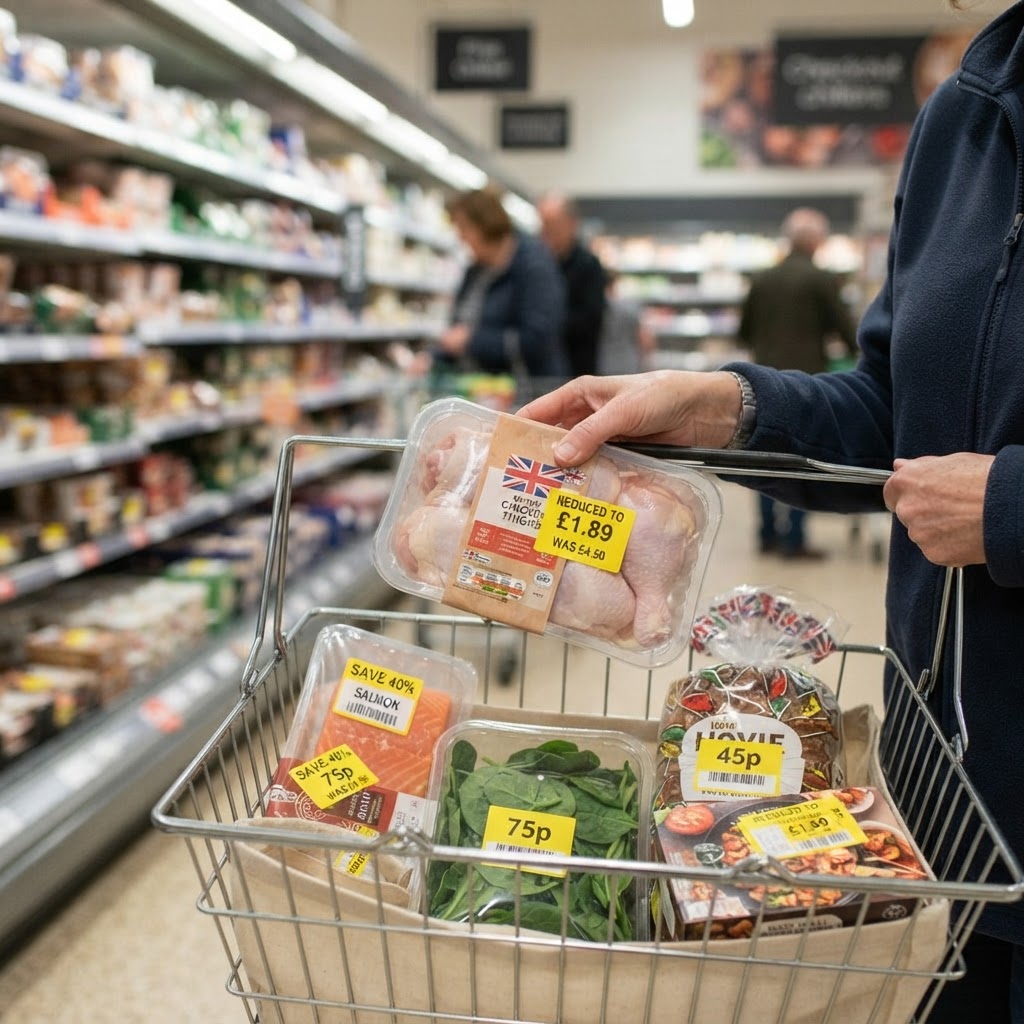
The Yellow Sticker Playbook: When to Shop, What to Buy, How to Freeze It
Supermarket yellow stickers are your ticket to seriously reduced food bills. Learn the best times to find them, what bargains to look out for, and how to make sure you don't waste a single penny.