How to check if your energy supplier is correctly applying the Price Cap
With the October 2026 energy price cap rise, many households are confused about their bills. Here is how to verify if your supplier is charging you within the legal limits.

Understanding the current price cap landscape
Since 1 October 2026, the Ofgem price cap for a typical dual-fuel household paying by Direct Debit has shifted to £1,723 per year. It is important to remember that this figure is not a limit on your total bill, but a limit on the unit rates and standing charges that suppliers can set. If you use more energy than the 'typical' household, your bill will be higher; if you use less, it will be lower. The most critical aspect of the current cap is the fixed daily standing charge. Across Great Britain, the average electricity standing charge is 54.83p per day, and gas is 29.68p per day. This means you are paying £308.46 per year simply for being connected to the grid, regardless of your actual consumption. If your bill shows charges significantly higher than the Ofgem regional averages, it is time to investigate.
Checking your unit rates against the regional limit
Your energy bill should clearly state your tariff name and the unit rates (measured in pence per kilowatt hour, or kWh) you are paying. To see if you are being overcharged, visit the Ofgem website and navigate to their 'Check the price cap' tool. You will need to enter your postcode, as energy costs vary by region due to local distribution network charges. Compare the rates shown on your statement with those displayed for your region. Note that the electricity rate under the current cap is 26.32p per kWh and gas is 7.97p per kWh on average, but these change based on where you live. If your supplier's rates are higher than the published cap for your specific area, you must query this immediately.
Challenging incorrect charges
If you find a discrepancy, the first step is to contact your supplier's customer service department. Do not simply accept an explanation that 'the computer calculates it'. Request a breakdown of your standing charge and unit rate as compared to the Ofgem regional price cap limits. If they cannot justify the variance, raise a formal complaint. Suppliers are required by the Financial Ombudsman Service and Ofgem guidelines to handle complaints within eight weeks. If they fail to resolve the issue to your satisfaction, or if they reject your complaint, you can escalate the case to the Energy Ombudsman. This service is free for consumers and their decisions are binding on the supplier if you choose to accept them. Keep copies of all correspondence, including dates and names of the agents you speak with.
Identifying common billing errors
Sometimes, the issue is not the rate itself, but the data being used. Suppliers often switch to estimated readings if you fail to provide regular updates. If your estimated usage is based on previous tenants or an incorrect meter reading, you could be paying for energy you haven't used. Ensure your meter readings are submitted monthly and look for the letter 'E' next to the readings on your bill, which denotes an estimate. If you are on a legacy tariff or an older 'fixed' deal that has expired, you may have been rolled onto a standard variable tariff that is significantly less competitive than the current capped market rates. Check your contract end date and, if you are out of contract, consider if switching—or simply demanding that your supplier moves you to their best available variable tariff—is the right move to keep costs under control.
One email. Every Sunday. The tips that actually save UK households money.
More on energy & bills
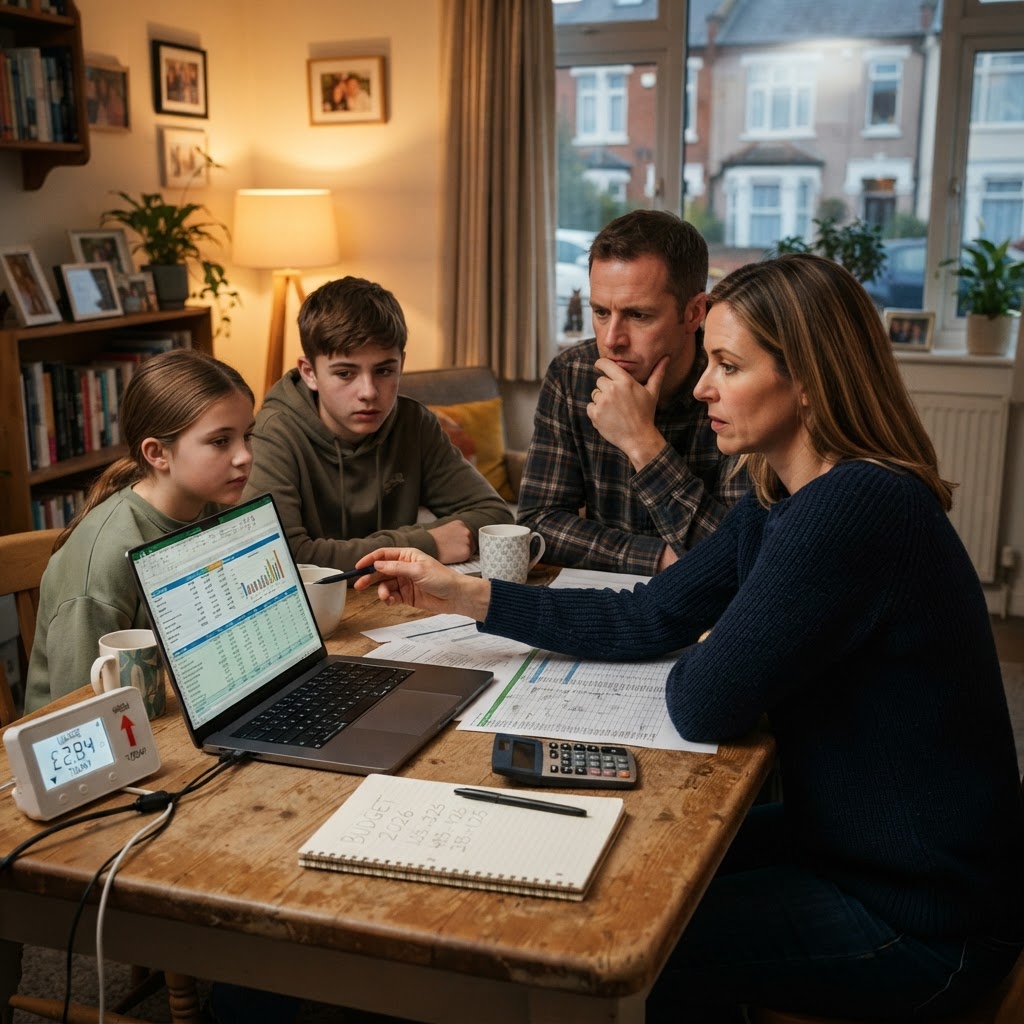
What the October 2026 Energy Policy Changes Mean for Your Household Budget
New government announcements are set to alter how we pay for gas and electricity. Here is a breakdown of what the recent policy shifts mean for your monthly bills.
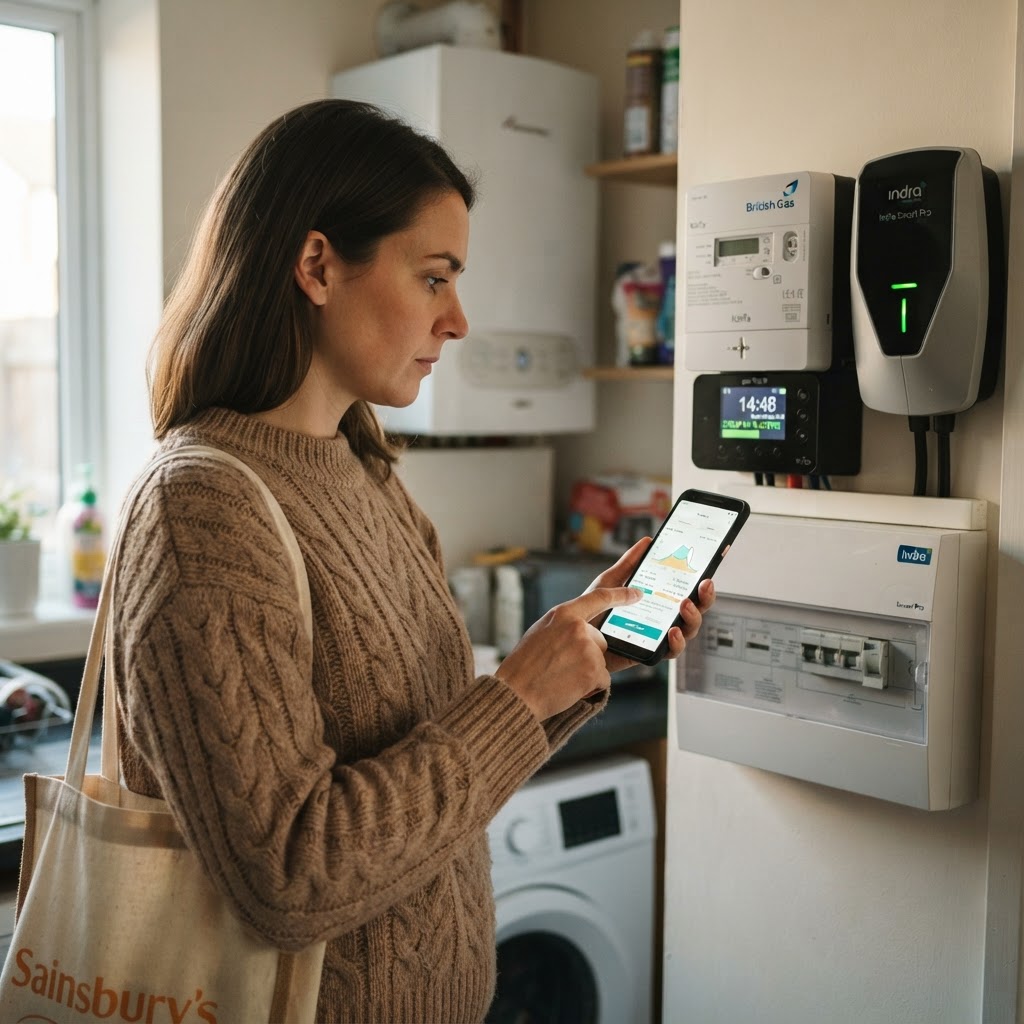
How to switch to a time-of-use energy tariff in the UK
Moving to a time-of-use tariff could significantly lower your annual bills if you can shift your major energy usage to off-peak hours.
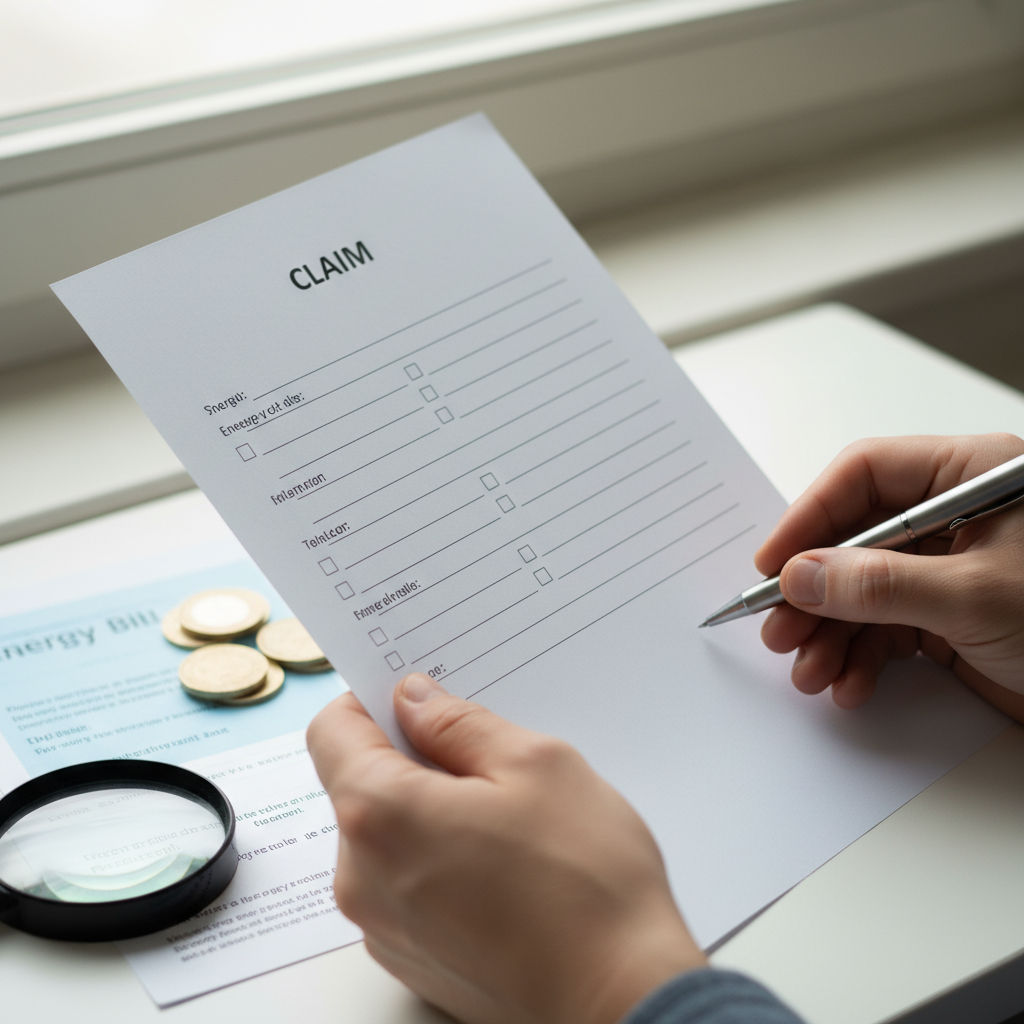
How to Claim Back Unused Energy Credits in the UK: A Step-by-Step Guide
UK households may be losing out on significant savings by not claiming back unused energy credits. Here’s how you can ensure you’re getting back what’s rightfully yours.