
How to switch to a time-of-use energy tariff in the UK
Moving to a time-of-use tariff could significantly lower your annual bills if you can shift your major energy usage to off-peak hours.
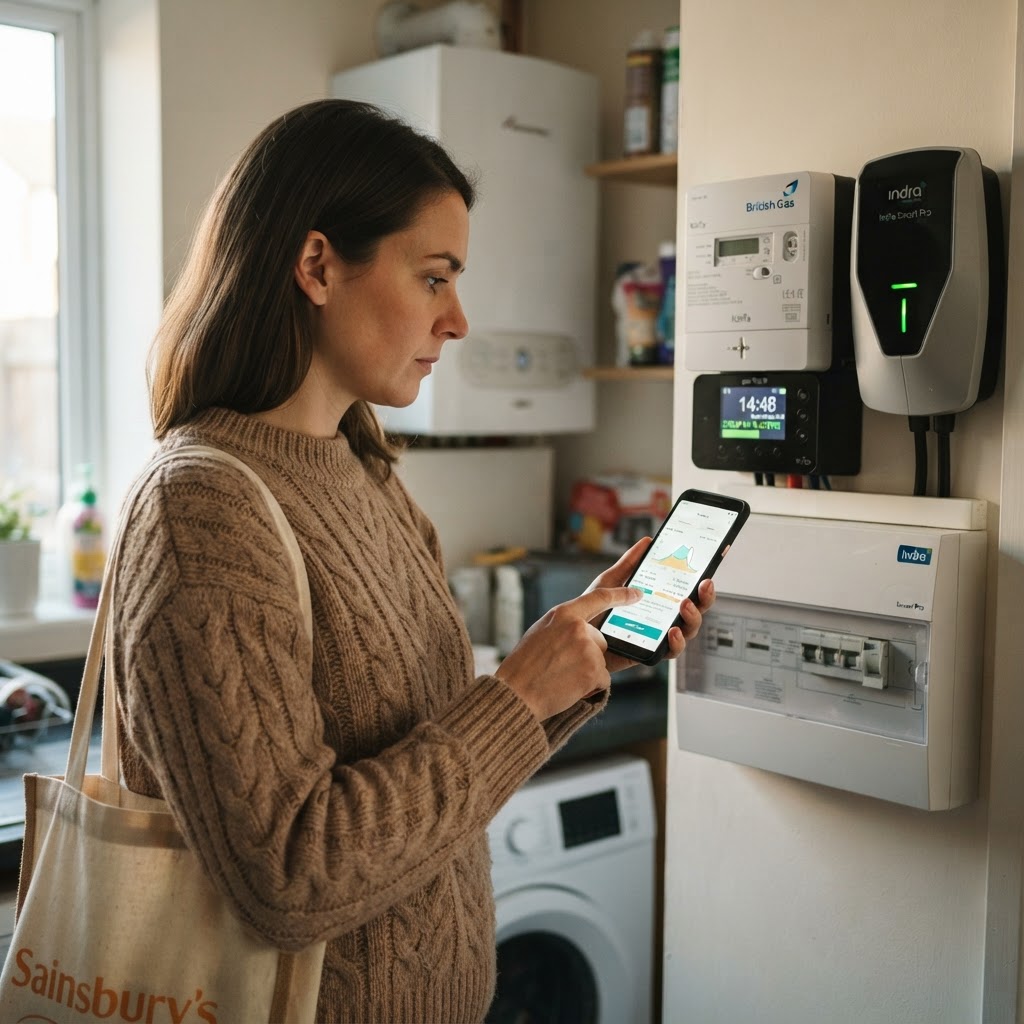
Understanding Time-of-Use Tariffs
Most UK households are currently on a standard variable tariff, where you pay a flat rate for electricity regardless of the time of day. A time-of-use (ToU) tariff, such as Octopus Energy’s Agile or Intelligent Octopus, works differently. Instead of a single rate, the price of your electricity fluctuates based on wholesale energy market conditions or specific time blocks throughout the day.
For those who have the flexibility to run heavy appliances at night or during the early afternoon, these tariffs can lead to substantial savings. However, they require a smart meter installed at your property, as the provider needs to track your half-hourly usage. If you are still on a traditional credit or prepay meter, you will need to request an upgrade from your current supplier before you can access these plans.
Can You Change Your Usage Patterns?
The biggest hurdle to saving money with a time-of-use tariff is habit. If your household routine involves heavy appliance use—such as tumble drying, dishwashing, or charging an electric vehicle—between 4pm and 7pm, these tariffs will likely end up costing you more than a standard flat-rate plan. These hours are typically when demand on the National Grid is highest, and wholesale prices spike accordingly.
To make this work, you must be prepared to shift the 'heavy lifting' to off-peak hours. This usually means scheduling your washing machine to finish after midnight, setting the dishwasher to run while you sleep, or waiting until the mid-afternoon to boost your home heating. If you have an electric vehicle, smart chargers are essential, as they can automatically communicate with the grid to charge your car only when electricity prices are at their lowest.
The Technology That Makes It Possible
Transitioning to a variable rate plan is rarely successful if done manually. The key is automation. Most modern smart appliances allow for delayed start functions, and smart plugs can be used to control older devices. There are also third-party apps, such as Home Assistant or specifically designed charging software, which can pull real-time data from your provider’s API to automatically switch your devices on and off based on the current price.
Before you switch, use the comparison tools available on websites like Which? or directly through your potential supplier. Look at your last 12 months of usage data, which you can download from your current provider's online portal. Input this data into a tariff simulator to see if your historical usage would have been cheaper on a time-of-use plan. Remember that energy prices change, and a tariff that saves you money in the summer might be less efficient during the winter heating season.
Risks and Considerations
While the potential for saving is clear, it is not a 'set and forget' solution. You need to keep an eye on price notifications. Some tariffs include 'price caps' or 'plunge pricing' where you are actually paid to use electricity when supply exceeds demand, but these are rare. Conversely, you could be hit by high costs if an unexpected event causes a price surge.
If you have vulnerable family members, health needs that require consistent heating, or a rigid schedule that prevents you from moving your electricity consumption, a fixed-rate tariff might be the safer, more predictable option. Always check the exit fees before switching, although many of the innovative energy suppliers now offer these tariffs with no long-term lock-in, allowing you to switch back to a standard tariff if you find that the variable rate model does not suit your lifestyle.
One email. Every Sunday. The tips that actually save UK households money.
More on energy & bills

What the October 2026 Energy Policy Changes Mean for Your Household Budget
New government announcements are set to alter how we pay for gas and electricity. Here is a breakdown of what the recent policy shifts mean for your monthly bills.

How to check if your energy supplier is correctly applying the Price Cap
With the October 2026 energy price cap rise, many households are confused about their bills. Here is how to verify if your supplier is charging you within the legal limits.

How to Claim Back Unused Energy Credits in the UK: A Step-by-Step Guide
UK households may be losing out on significant savings by not claiming back unused energy credits. Here’s how you can ensure you’re getting back what’s rightfully yours.