
How to Claim Back Unused Energy Credits in the UK: A Step-by-Step Guide
UK households may be losing out on significant savings by not claiming back unused energy credits. Here’s how you can ensure you’re getting back what’s rightfully yours.

Understanding Energy Credits
If you've been paying your energy bills regularly, you might have accumulated energy credits without even realising it. These credits can arise from various scenarios, such as overpaying your energy bills, having a direct debit set at a higher amount than your actual usage, or even if you’ve switched providers and have leftover balance in your account.
It’s essential to understand how these credits work and the specific terms and conditions associated with your energy provider.
Check Your Energy Statement
The first step in claiming back your unused energy credits is to carefully review your latest energy statement. Here’s what to look for:
- Usage Comparison: Look at your energy usage over the last year and compare it with your direct debit payments. If you've consistently paid more than your usage, you may have built up credit.
- Refunds or Transfers: Check if there's a specific mention of credit balances or refunds on your statement.
Energy providers are required by Ofgem to provide clear statements, so if it's unclear, do not hesitate to call their customer service for clarification.
Contacting Your Energy Provider
Once you've confirmed that you have unused credits, the next step is to contact your energy provider. Here’s how to do it efficiently:
-
Gather Information: Before you call or email, have your account details handy, including your account number, the last statement, and any relevant previous correspondence regarding your account.
-
Request a Refund: Clearly explain that you believe you have credit on your account that you want refunded. Most providers can issue refunds via bank transfer or credit your account directly.
-
Documentation: If the company is unwilling to refund your money, request a written explanation of their policy regarding refunds of unused credits. This could be useful if you need to contact a consumer advisor later.
Common energy providers like British Gas, E.ON, and Octopus Energy generally have straightforward processes for refunding credits. However, having all your details and documents organised beforehand can expedite the process.
Consider Switching Energy Suppliers
If you find yourself consistently with unused credits, it may also be worthwhile to consider switching suppliers. Many consumers don’t realise they could save money by switching — especially if your current provider has not responded adequately to claims for refunds.
Use comparison websites like Uswitch or MoneySuperMarket to compare energy prices and see if another provider offers a better deal without the need for higher payments or unused credits.
Keep Track of Your Credited Amounts
Going forward, it's essential to keep track of your energy usage and the payments you make. This can help you ensure you’re not overpaying:
- Regularly Check Your Bills: Monitor your energy bills monthly to see if you’re accumulating a surplus.
- Use Smart Meters: If your energy provider offers smart meters, consider having one installed. They can provide real-time insights into your energy consumption and help you adjust your payments accordingly.
- Home Energy Audits: Consider undertaking an energy audit to identify ways to reduce your consumption, potentially preventing the accumulation of excess credits.
By staying informed and proactive about your energy use and bills, you can avoid unwanted surprises and ensure that you’re not financing your energy provider’s profits.
Conclusion
Claiming back unused energy credits isn’t just a financial opportunity; it's your right as a consumer. Taking the necessary steps to review your statements, contacting your provider, and staying vigilant about your energy consumption habits will help you maximise your potential savings. Depending on your specific circumstances, households might recover anywhere from £50 to £150 each year in credits. Don't let unused credits accumulate — make the effort today to reclaim what's yours.
One email. Every Sunday. The tips that actually save UK households money.
More on energy & bills

What the October 2026 Energy Policy Changes Mean for Your Household Budget
New government announcements are set to alter how we pay for gas and electricity. Here is a breakdown of what the recent policy shifts mean for your monthly bills.

How to check if your energy supplier is correctly applying the Price Cap
With the October 2026 energy price cap rise, many households are confused about their bills. Here is how to verify if your supplier is charging you within the legal limits.
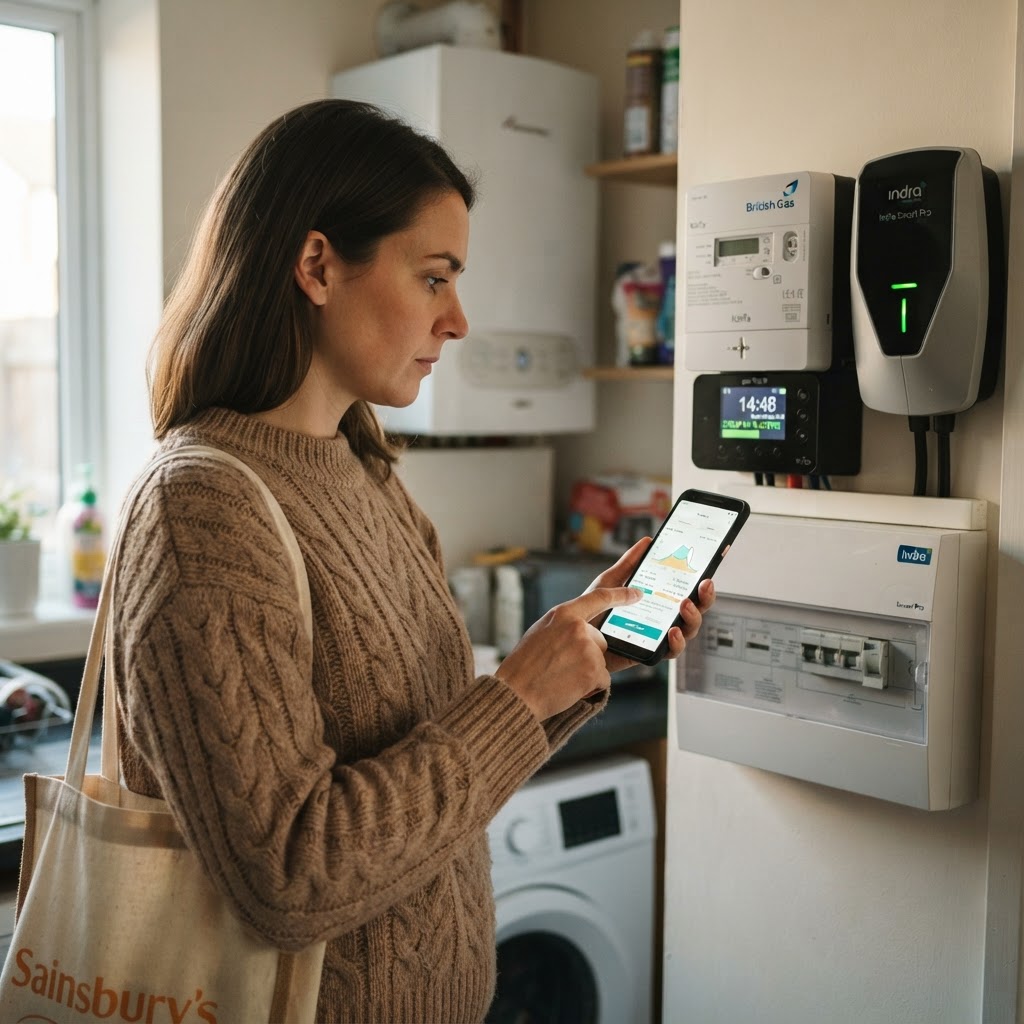
How to switch to a time-of-use energy tariff in the UK
Moving to a time-of-use tariff could significantly lower your annual bills if you can shift your major energy usage to off-peak hours.