
How to claim your £100 winter energy payment and manage utility costs this year
A new government support package offers relief to millions of households this winter. Here is how to ensure you get your payment and keep your energy bills under control.
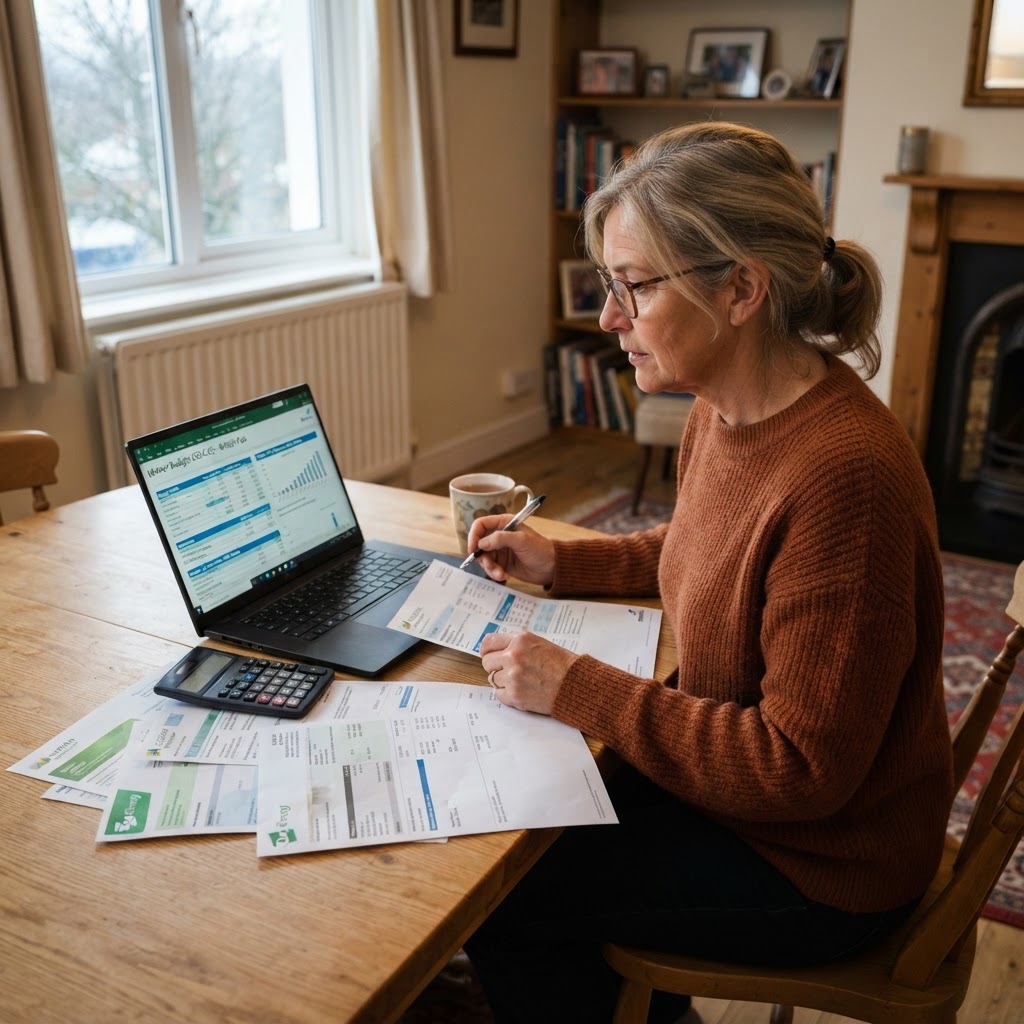
As we move into the colder months of 2026, the cost of heating remains a significant concern for many UK families. With the Ofgem price cap currently set at £1,723 for a typical dual-fuel household, the recent Autumn Budget announcement of a £100 Household Energy Payment provides a much-needed buffer. This payment is designed to support approximately 20 million households living in Council Tax bands A to D. Unlike some previous schemes that required complex application processes, this support is intended to be distributed directly through local authorities or credited to accounts. If you reside in a qualifying band, ensure your contact details with your local council are up to date, as this is the primary database they will use to identify eligible households. It is important to remember that this payment is separate from existing schemes like the Warm Home Discount. Beyond this one-off payment, the government has extended the VAT break on home electricity until June 2027, which helps mitigate the impact of the 26.32p per kWh electricity unit rate currently in place. Every household should verify their council tax band on the government portal to confirm eligibility before the disbursement period begins in the coming weeks.
Understanding your current energy charges
To manage your budget effectively, you must understand exactly what you are paying. Under the current price cap, the daily standing charge for electricity is 54.83p and for gas is 29.68p. Over a full year, these combined daily costs amount to £308.46 before you even consume a single unit of energy. While you cannot opt out of these standing charges, you can reduce your overall bill by focusing on the unit rates. Your electricity is currently capped at 26.32p per kWh and gas at 7.97p per kWh. Small shifts in usage during peak hours can lead to significant cumulative savings over the winter quarter. Monitor your smart meter regularly; if you do not have one, request one from your supplier. Real-time data remains the most effective tool for identifying which appliances are the largest contributors to your monthly expenditure.
Future-proofing your household budget
Looking ahead to 2027, there is a commitment from the government to work with Ofgem to scrap the average £108 annual gas standing charge. This is a positive development, but it does not remove the need for current vigilance. Given that the Bank of England base rate has risen to 4% and inflation sits at 3.5%, maintaining a tight grip on fixed household costs is essential. If you are struggling to meet your payments, contact your energy supplier immediately. They are required by Ofgem to offer support, such as payment plans or hardship funds, to customers in financial difficulty. Do not wait until you miss a payment to reach out, as early communication often allows for more flexible options. Always check the Citizens Advice website for the most recent guidance on energy debt support, as the landscape can shift as the year progresses.
Leveraging VAT savings and efficiency
With the extension of the VAT break on electricity, you have a window of opportunity to prioritise electricity-based heating or cooking methods where possible, as the tax relief provides a direct saving compared to the standard rate. Ensure your home is as energy-efficient as possible by checking simple measures like draught-proofing windows and doors. While large-scale insulation projects are costly, the cumulative effect of closing curtains at dusk and turning down your thermostat by just one degree can noticeably reduce your daily consumption. Combine these small behavioural changes with the incoming £100 support payment to ensure your household finances remain stable throughout this winter season.
One email. Every Sunday. The tips that actually save UK households money.
More on household
How to legally dispute incorrect water meter readings in the UK
If your water bill has spiked unexpectedly, your meter could be recording usage incorrectly. Here is how to investigate the issue and claim a refund.
How to reclaim overpaid council tax for empty or annex properties in the UK
Many UK households are unknowingly paying full council tax on properties that qualify for exemptions or discounts. Learn how to verify your liability and claim back what you are owed.
How to reclaim overpaid water bills in the UK due to sewer leakage
Many households are paying for water they don't use due to internal leaks. Discover how to identify a leak and claim back money from your water provider.