How to reclaim overpaid water bills in the UK due to sewer leakage
Many households are paying for water they don't use due to internal leaks. Discover how to identify a leak and claim back money from your water provider.
Why your water bill might be higher than it should be
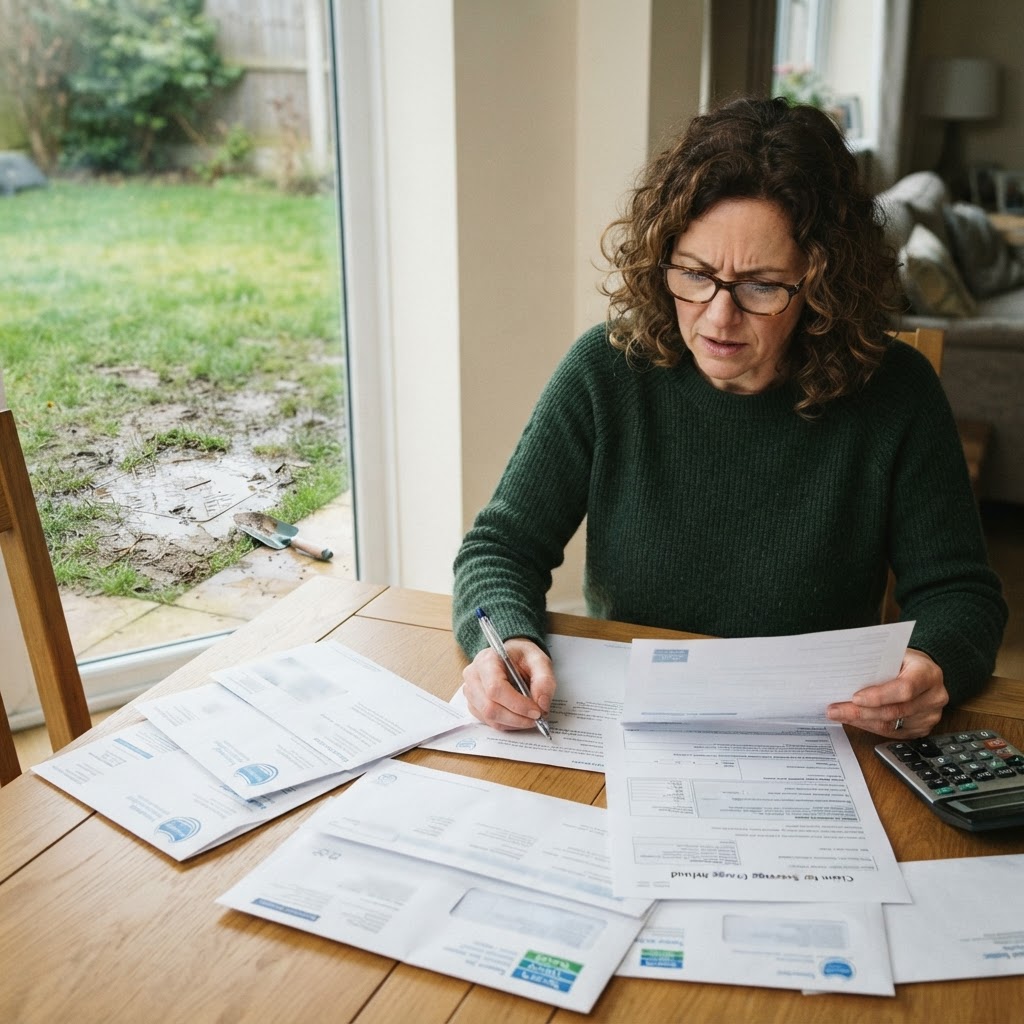
Water bills are often viewed as a fixed cost that is simply unavoidable. However, thousands of households across the UK unknowingly pay for water that never actually reaches their taps. If you are on a water meter, a hidden leak—often in the private pipework between your meter and your home—can cause your consumption to skyrocket. Because this water is measured by the meter but lost before it reaches your appliances, you are effectively paying for water that is simply seeping into the ground.
Before assuming your usage habits are the problem, perform a simple check. Ensure all taps are turned off and no appliances like dishwashers or washing machines are running. Go to your water meter and look at the dials. If the small flow indicator is still spinning or the numbers are ticking up, you have a leak. This simple test is the first step in stopping the drain on your finances.
Contacting your provider to request a 'leak allowance'
Under the Water Industry Act, water companies are generally required to provide a 'leak allowance' if you can prove you have repaired a leak on your private supply pipe. Most providers, such as Thames Water, United Utilities, and Severn Trent, have specific policies regarding this. Once you have identified the leak and hired a professional to fix it, do not just pay the inflated bill. You must notify your supplier immediately.
Typically, the company will ask for proof of the repair, such as an invoice from a registered plumber. Once they verify the repair, they will adjust your account to reflect your normal average consumption rather than the inflated figure caused by the leak. This can result in significant rebates, sometimes dating back several months or even a year, depending on the supplier's internal policy.
Check for 'sewerage abatement' if you are on a meter
One of the most overlooked areas of water billing is the sewerage charge. You are charged for the water that enters your home and the water that leaves it. If you have a leak in your garden or outside pipework, that water never enters your home's drainage system and therefore does not end up in the sewer.
When you apply for a leak allowance, explicitly ask your provider to reassess the sewerage portion of your bill. Because the leaked water did not enter the public sewer network, you should not be paying the associated volumetric sewerage charge. Citizens Advice has consistently highlighted that consumers often fail to ask for this, leaving money on the table. By demanding this adjustment, you ensure that you are only paying for the wastewater you actually produce.
What to do if your provider refuses to help
If you believe you have a genuine case but your water company is refusing to grant an allowance, you have clear avenues for complaint. First, follow your provider's formal complaints procedure. If they still refuse to budge after eight weeks, or if you reach a deadlock, you can escalate your case to the Consumer Council for Water (CCW). The CCW is the independent body that represents water consumers in England and Wales. They have a strong track record of challenging companies on unfair billing practices and can mediate disputes regarding leak allowances. Keep all your correspondence, copies of invoices, and dated photos of the repair, as these will be essential for your case.
One email. Every Sunday. The tips that actually save UK households money.
More on household
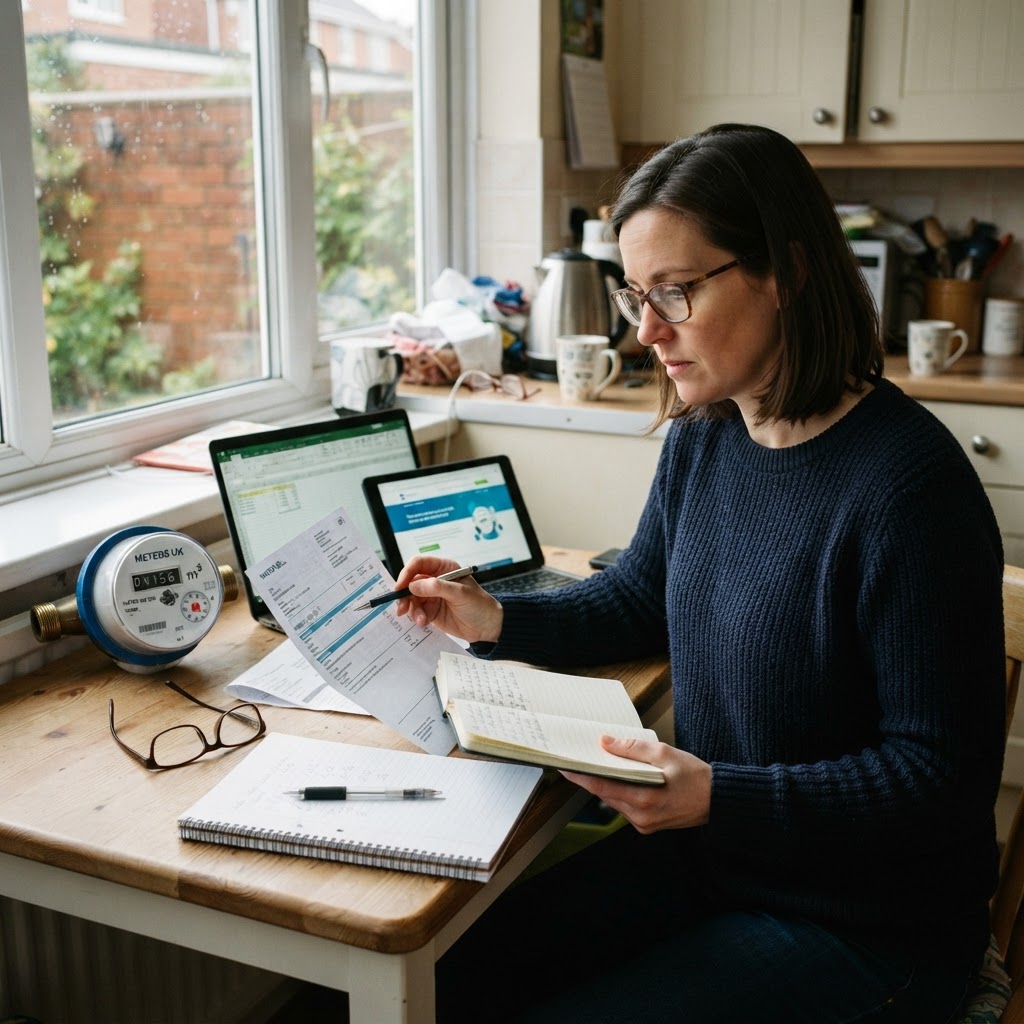
How to legally dispute incorrect water meter readings in the UK
If your water bill has spiked unexpectedly, your meter could be recording usage incorrectly. Here is how to investigate the issue and claim a refund.
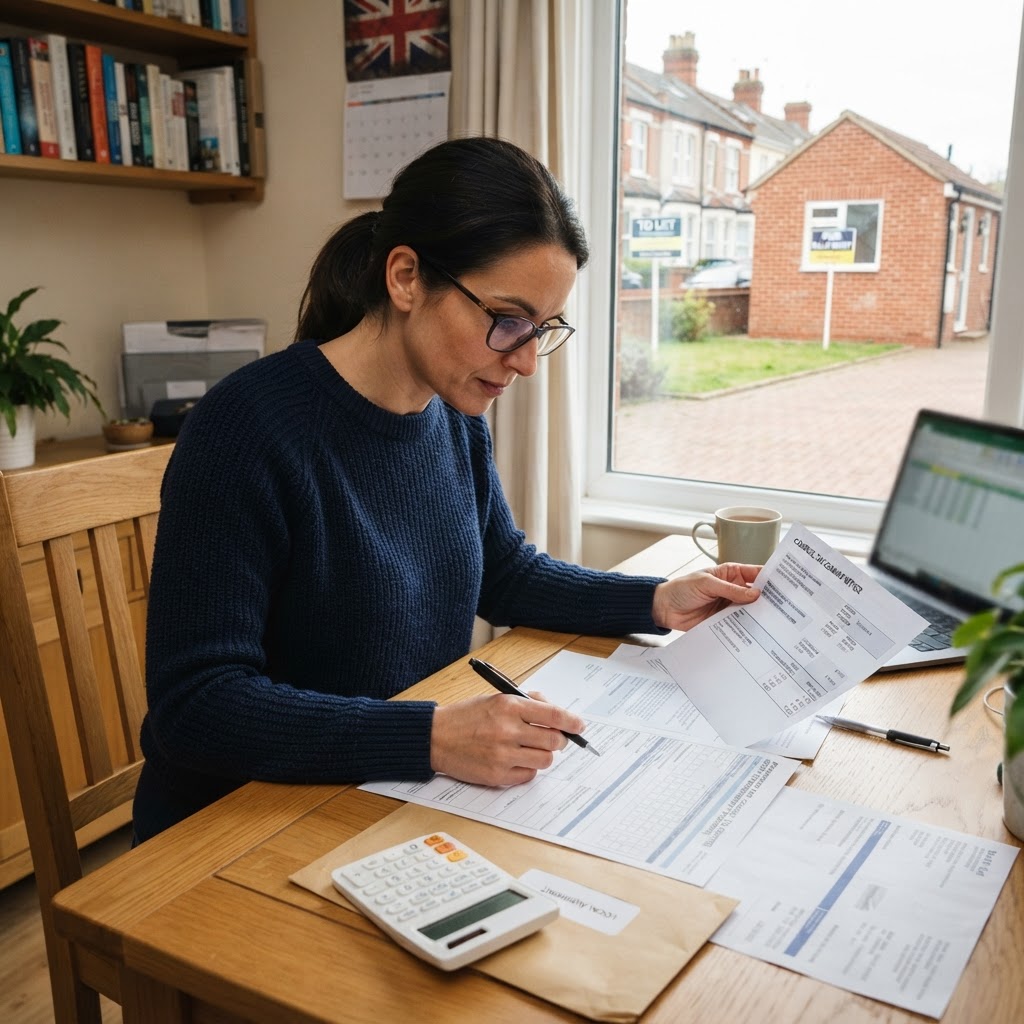
How to reclaim overpaid council tax for empty or annex properties in the UK
Many UK households are unknowingly paying full council tax on properties that qualify for exemptions or discounts. Learn how to verify your liability and claim back what you are owed.
Understanding the Best Ways to Claim Energy Bill Discounts in the UK
This guide explores various discounts available to UK households on their energy bills, providing practical steps to help you save money.