
How to reclaim overpaid council tax for empty or annex properties in the UK
Many UK households are unknowingly paying full council tax on properties that qualify for exemptions or discounts. Learn how to verify your liability and claim back what you are owed.
Check your exemption status
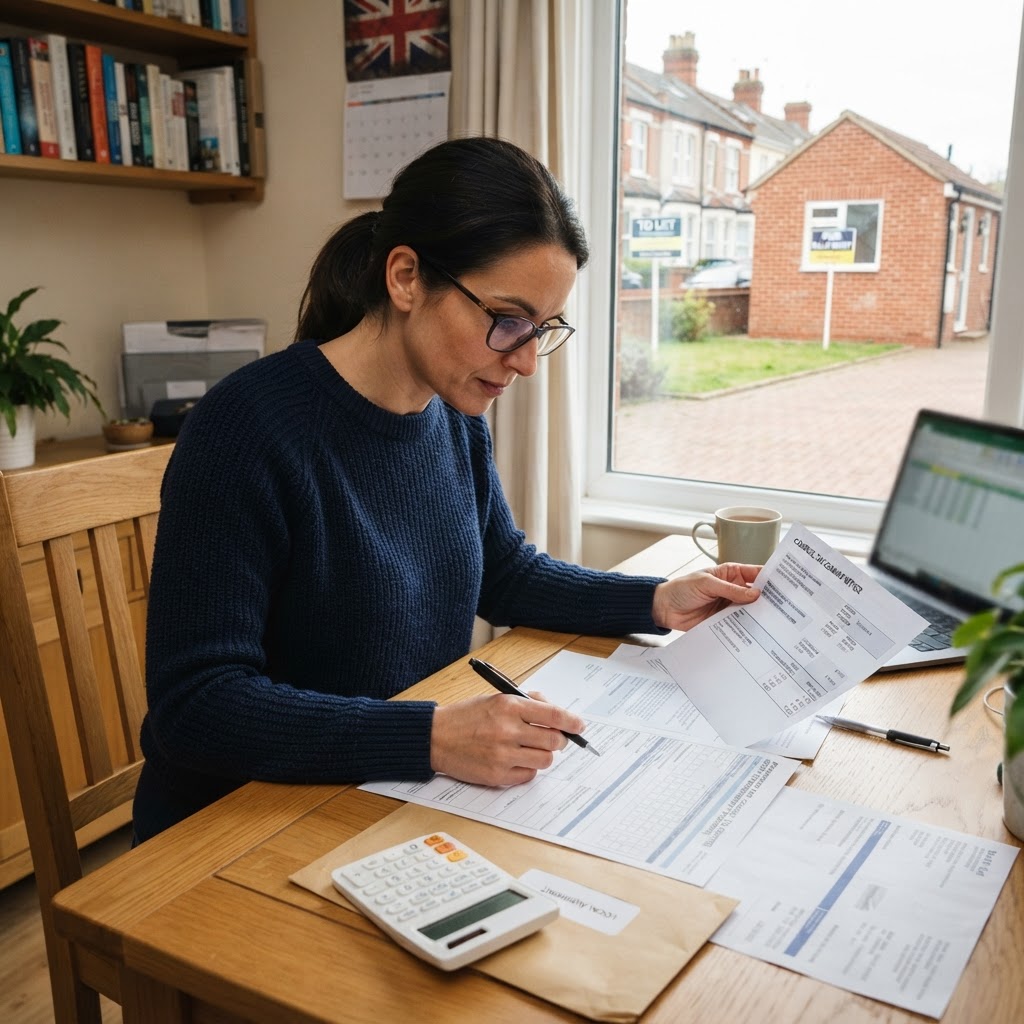
Most homeowners assume their council tax bill is set in stone once they receive their annual notice. However, local authority billing systems are not infallible. One of the most common oversights occurs with properties that are unoccupied or contain separate annexes. If you own a property that has been empty for a specific reason—such as undergoing major structural repairs or being held for a relative—you may be entitled to a discount or a full exemption. Under the Local Government Finance Act 1992, billing authorities have the power to reduce or waive charges for specific classes of property. If you have been paying the full rate for a property that is effectively uninhabitable, you could be owed a significant refund dating back several years.
The 'Annex' loophole
If you have a self-contained annex on your property—perhaps a converted garage or a granny flat—you might be paying double council tax when you should be paying significantly less. If an adult relative is living in that annex, you can apply for the 'Annex Discount', which reduces the bill for that specific part of the property by 50%. Even better, if the person living there is a dependent relative (over 65, disabled, or severely mentally impaired), the annex can be entirely exempt from council tax. Many councils fail to flag these discounts automatically, meaning the burden of proof rests on the homeowner to submit a formal request for a re-assessment.
How to audit your bill and reclaim
The first step is to contact your local council’s revenue department. Do not simply rely on a telephone conversation; request an email confirmation of your property's status code. If you suspect you have been overpaying, write to the council formally. Cite your specific circumstances and provide evidence, such as photographs of the property’s condition or proof of the occupant's relationship and age. If the council rejects your claim, you have the right to appeal to the Valuation Tribunal Service. This is an independent body that hears disputes regarding council tax liability. It is free to use, and you do not require a solicitor to represent you. Ensure you have your reference numbers and a clear timeline of when the property was vacant or how the annex has been used.
Look back at previous years
Refunds are not limited to the current tax year. If you have been overpaying for a period of time, you can ask for the liability to be adjusted retrospectively. Councils are generally required to refund overpayments once a valid claim is verified, though they may limit how far back they look based on their specific local policies. Be persistent. If your council claims they cannot backdate a refund, refer them to the Local Government Ombudsman guidance, which suggests that councils should treat residents fairly when an administrative error or a lack of clarity regarding discount eligibility has occurred. Always keep copies of all correspondence, as this audit trail is essential should you need to escalate your claim.
One email. Every Sunday. The tips that actually save UK households money.
More on household
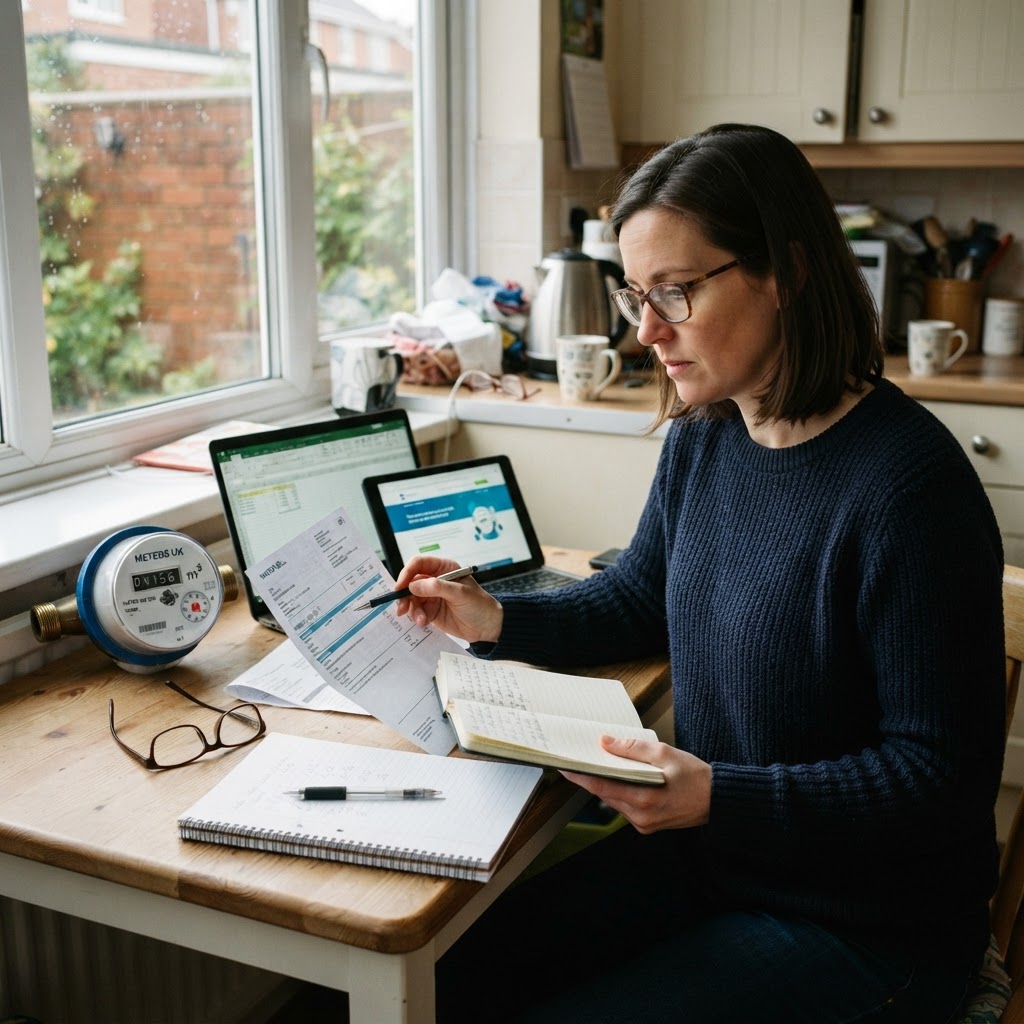
How to legally dispute incorrect water meter readings in the UK
If your water bill has spiked unexpectedly, your meter could be recording usage incorrectly. Here is how to investigate the issue and claim a refund.
How to reclaim overpaid water bills in the UK due to sewer leakage
Many households are paying for water they don't use due to internal leaks. Discover how to identify a leak and claim back money from your water provider.

Understanding the Best Ways to Claim Energy Bill Discounts in the UK
This guide explores various discounts available to UK households on their energy bills, providing practical steps to help you save money.