
How to Effectively Reduce Your Energy Standing Charge in the UK
Energy standing charges can add significant costs to your bills. Here’s how UK households can effectively reduce these charges and save money.
Understanding Energy Standing Charges
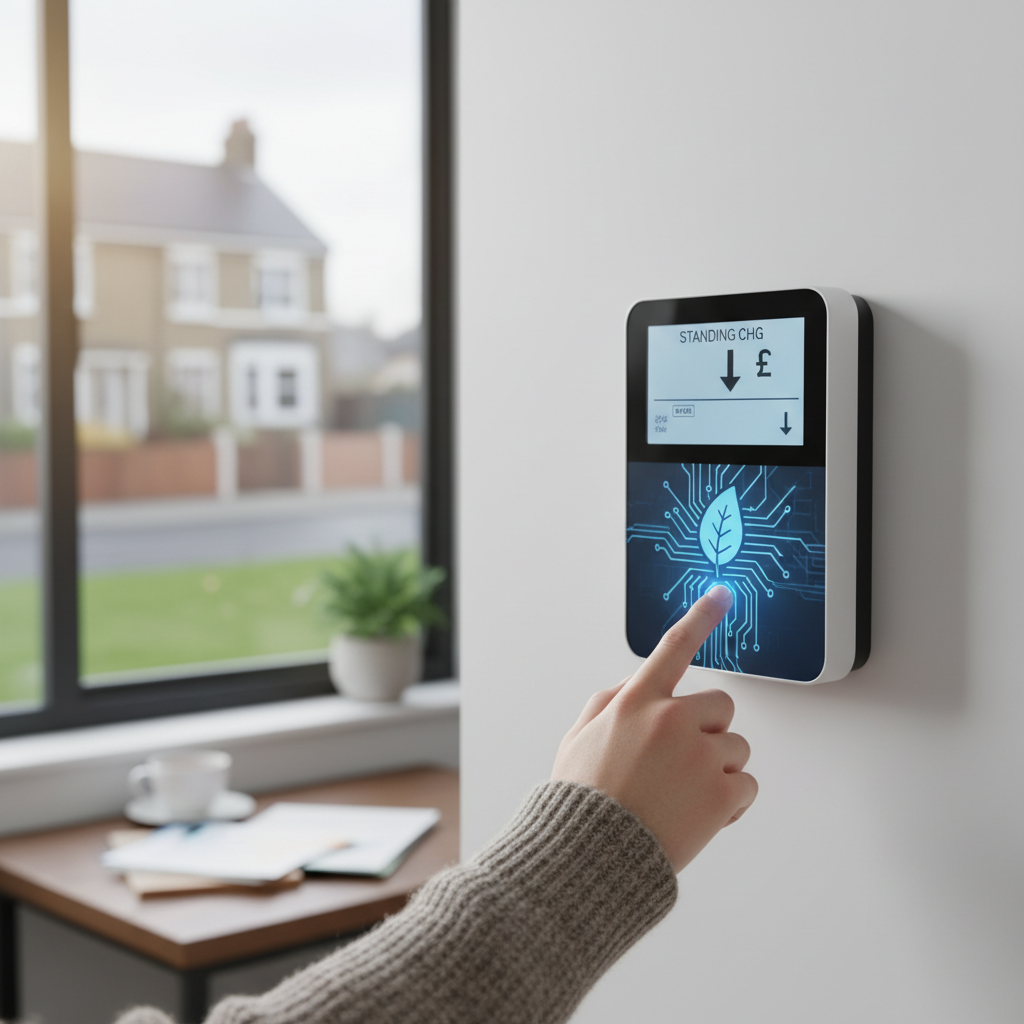
In the UK, most energy suppliers impose a standing charge on your electricity and gas bills. This charge is a fixed daily fee that covers the cost of supplying energy to your home, including infrastructure and administration, regardless of how much energy you use. As of 2026, the average standing charge for electricity is around 54.83p per day and for gas, it's approximately 29.68p per day. That totals about £308.46 annually, before you even switch on a light or heat your home.
Shop Around for Better Deals
One of the most straightforward ways to reduce your standing charge is by comparing energy tariffs offered by different suppliers. Switching your energy provider can save you money, as some companies offer lower standing charges as part of their competitive pricing strategies. Websites like Ofgem, Compare the Market, or Which? can help you compare tariffs quickly and efficiently.
For instance, some suppliers may charge as little as £0.10 per day. If you are currently on a higher standing charge, switching could potentially save you around £73 per year, just from that alone.
Regularly Review Your Energy Supplier
It's not a one-time task. Energy prices fluctuate, and so do the tariffs offered by suppliers. It's wise to review your energy supplier at least once a year to ensure you're still on the best deal. Regular use of comparison sites will keep you informed about any better deals available in the market.
Consider Prepayment Meters
If you have a prepayment meter, you might be able to negotiate a lower standing charge with your supplier. Some suppliers offer lower standing charges for prepayment customers because they manage their risk more effectively, which means they can pass those savings to you. Check with your energy provider about the possibility of switching your payment method and see if it results in lower charges.
Take Advantage of Energy Supplier Incentives
Many energy suppliers offer incentives to switch or reward loyal customers with lower standing charges. For example, British Gas and Octopus Energy frequently run promotions for new customers that include discounted standing charges for a specified period. Keep an eye on your provider’s communications to stay updated on such offers.
Sign Up for Green Tariffs
Opting for a green energy plan, which focuses on renewable energy sources, can sometimes lower your standing charge as environmental incentives are becoming more prevalent among suppliers. Companies like Bulb and Pure Planet promote renewable energy and often have competitive standing charges. A green tariff not only contributes positively to the environment but could also lead to savings.
Insulate Your Home and Reduce Overall Consumption
While reducing the standing charge is crucial, lowering your overall energy consumption will also help manage your energy expenses. Better insulation can reduce your heating needs. Under the Energy Company Obligation (ECO) scheme, you may even qualify for free or subsidised insulation. This not only lessens your reliance on energy but can significantly lower your bills long-term.
Smart Meters
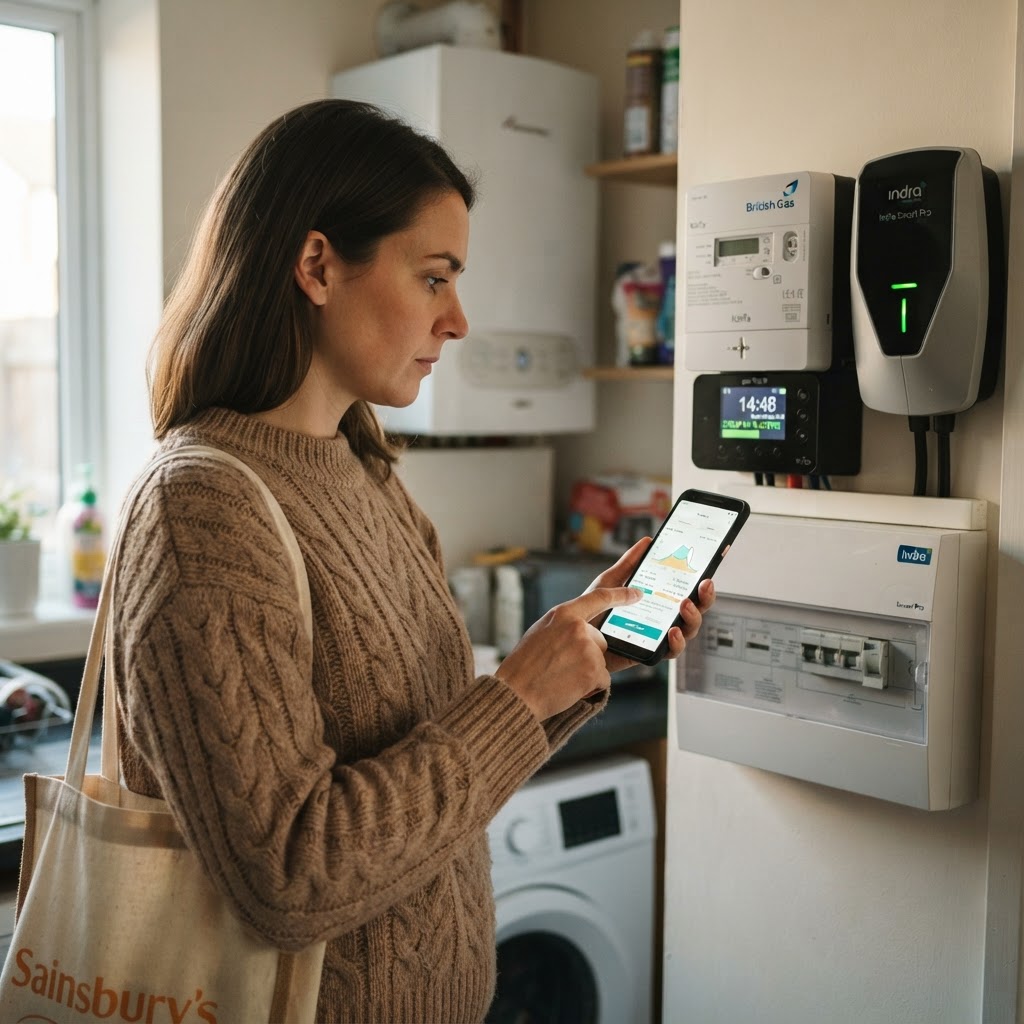
Installing a smart meter can also help you understand and control your energy usage better. It gives you real-time data on your consumption, helping you identify peaks and adjust accordingly. Some energy companies may offer incentives for installing smart meters, which might come with reduced standing charges as well.
The Bottom Line
By taking the steps outlined above, UK households can effectively reduce their energy standing charges. Whether it's through switching suppliers, regular reviews of your energy plan, or taking advantage of incentives, you can safeguard your finances against rising energy costs.
Potential Savings:
The actual savings will depend on your current standing charge and the new tariff you select. On average, households could realistically save anywhere from £70 to £150 annually by implementing these strategies. That’s a significant reduction that can enhance your household budget.
Energy prices are always changing, so staying proactive about your energy supply is key. Arm yourself with the right information and take action – your wallet will thank you.
One email. Every Sunday. The tips that actually save UK households money.
More on energy & bills

What the October 2026 Energy Policy Changes Mean for Your Household Budget
New government announcements are set to alter how we pay for gas and electricity. Here is a breakdown of what the recent policy shifts mean for your monthly bills.

How to check if your energy supplier is correctly applying the Price Cap
With the October 2026 energy price cap rise, many households are confused about their bills. Here is how to verify if your supplier is charging you within the legal limits.
How to switch to a time-of-use energy tariff in the UK
Moving to a time-of-use tariff could significantly lower your annual bills if you can shift your major energy usage to off-peak hours.