Understanding the Best Ways to Claim Energy Bill Discounts in the UK
This guide explores various discounts available to UK households on their energy bills, providing practical steps to help you save money.

Introduction to Energy Bill Discounts
With energy prices continuing to fluctuate, many UK households are looking for ways to save on their bills. Thankfully, various discounts and schemes are available to help you reduce your energy costs. Whether through direct discounts on bills, or assistance programmes for those in need, understanding your options is crucial.
1. The Warm Home Discount Scheme
One of the most significant initiatives aimed at helping vulnerable households is the Warm Home Discount Scheme. If you’re eligible, you can receive a discount of £150 on your electricity bill during the winter months.
Eligibility
To qualify, you must be receiving the Guarantee Credit element of Pension Credit or be a low-income household. You may also qualify if you’re on certain benefits and meet your energy supplier's criteria.
Application Process
You do not need to apply for the discount separately if you are on Pension Credit. Other groups need to apply annually, and energy suppliers often have limited funds, so it’s crucial to apply early, typically from October onwards.
2. The Energy Company Obligation (ECO)
The Energy Company Obligation (ECO) scheme is designed to help low-income households with energy efficiency improvements in their homes. This can help lower your energy bills over time.
What It Covers
ECO grants can cover insulation, new heating systems, and other energy-saving measures. The improvement works are usually carried out at no upfront cost to you, meaning you can expect long-term savings without an initial outlay.
How to Access
You can access these grants through your energy supplier or a registered installer. It is advised to compare services to verify your eligibility and understand what’s being offered in your locality.
3. Conducting a Tariff Review
Sometimes, the most straightforward savings can come from switching tariffs. Your energy bill might reduce if you switch to a plan that better suits your usage patterns.
Usage Analysis
Use the Ofgem Price Cap (currently £1,723 a year for a typical dual-fuel household) to understand which suppliers are currently offering the most competitive rates and compare your existing tariff against alternatives. Websites like Compare the Market and Which? can offer comparisons, sometimes revealing savings for those willing to switch providers.
Fixed vs. Variable Tariffs
Consider that fixed tariffs ensure you pay the same amount throughout your contract period, which can be beneficial if price predictions are set to rise further. However, if energy prices drop, you may be better off with a variable tariff later.
4. Additional Support Available
In addition to the aforementioned schemes, various additional support options are available, especially for disadvantaged or vulnerable communities.
Local Energy Grants
Check with your local council regarding local energy grants, which may offer further financial aid or free insulation services.
Citizens Advice
Contact Citizens Advice for more tailored guidance regarding your specific circumstances. They can help you identify which additional support you may qualify for, encompassing everything from energy debt advice to accessing charitable funds.
Conclusion
In summary, multiple avenues exist for UK households to cut down on their energy bills through various discounts and support schemes. By leveraging schemes like the Warm Home Discount and ECO, reviewing tariffs, and utilizing local assistance, you can cut costs effectively. Always stay informed, as new initiatives frequently emerge to aid consumers in navigating these challenging times efficiently.
Take the first step by reviewing your eligibility for these schemes, and see how much you could save this year.
One email. Every Sunday. The tips that actually save UK households money.
More on household
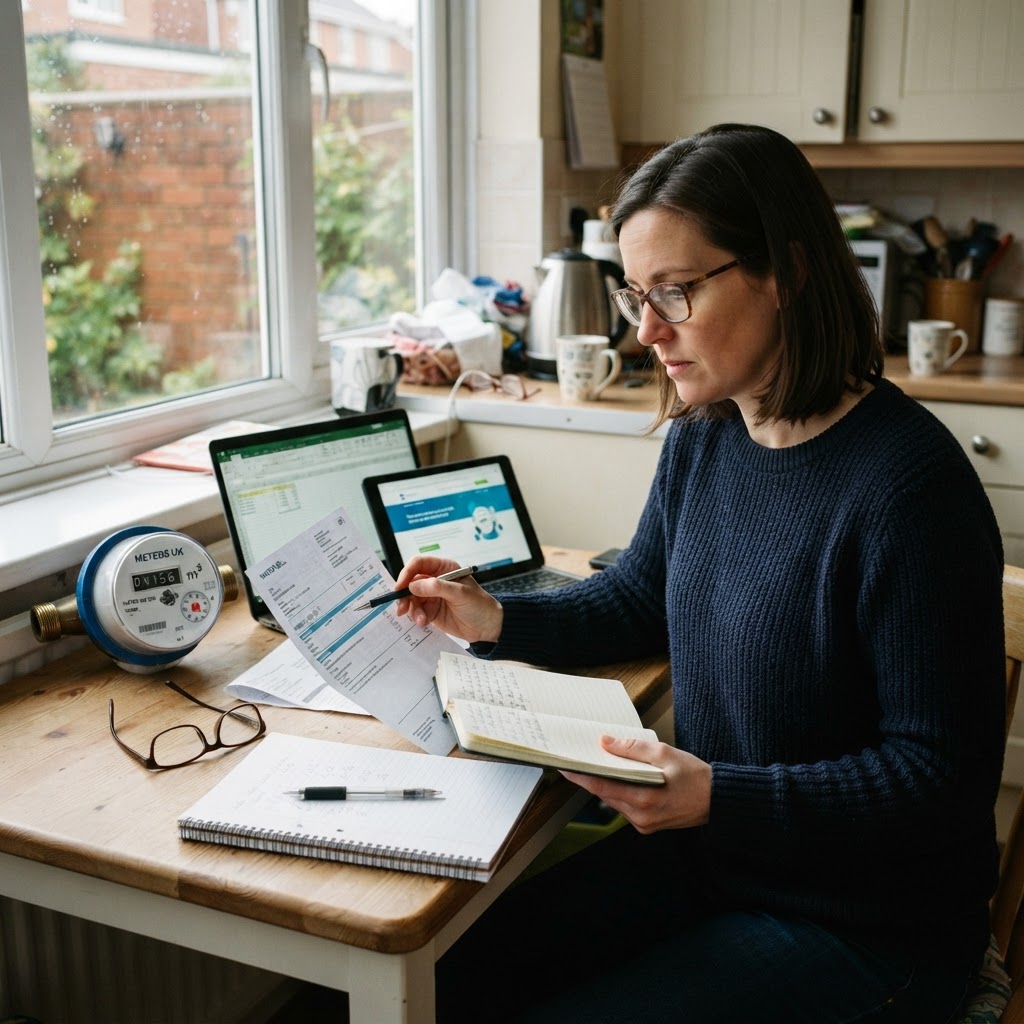
How to legally dispute incorrect water meter readings in the UK
If your water bill has spiked unexpectedly, your meter could be recording usage incorrectly. Here is how to investigate the issue and claim a refund.
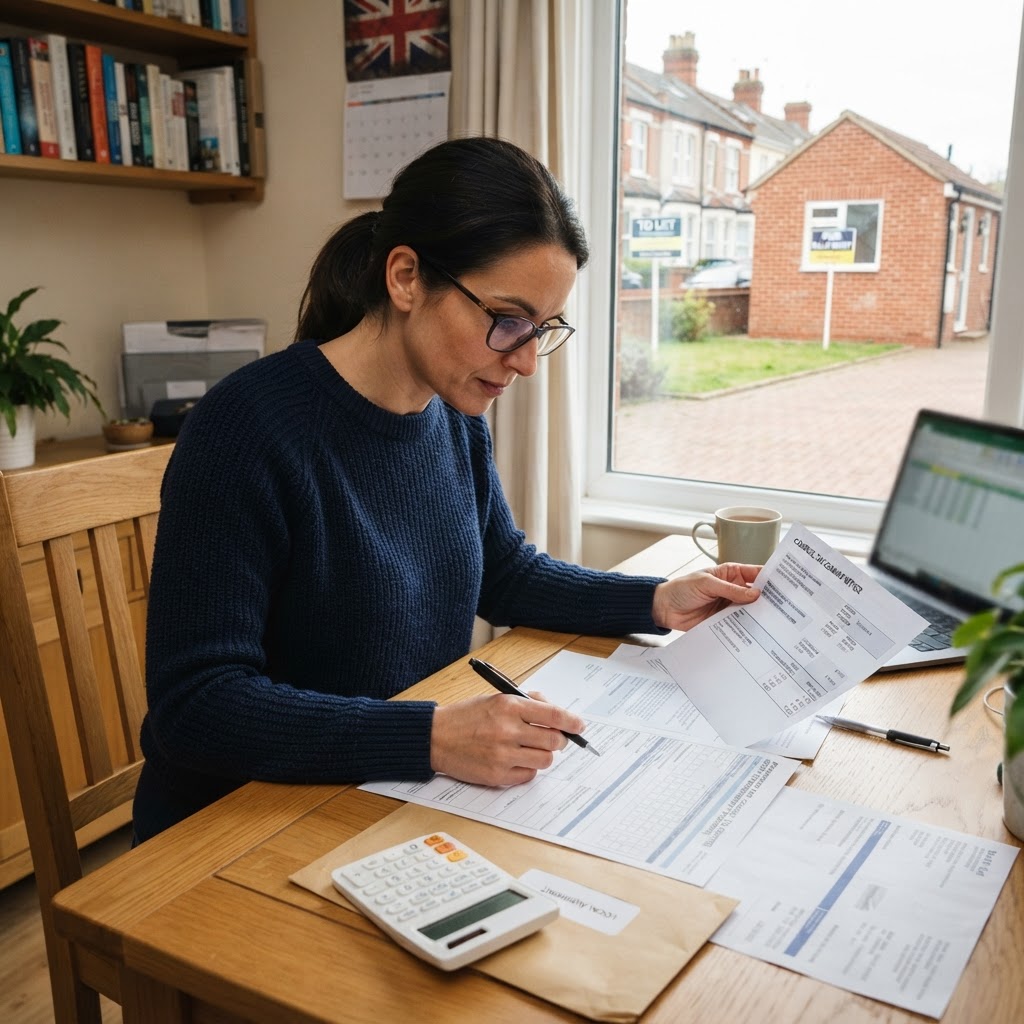
How to reclaim overpaid council tax for empty or annex properties in the UK
Many UK households are unknowingly paying full council tax on properties that qualify for exemptions or discounts. Learn how to verify your liability and claim back what you are owed.
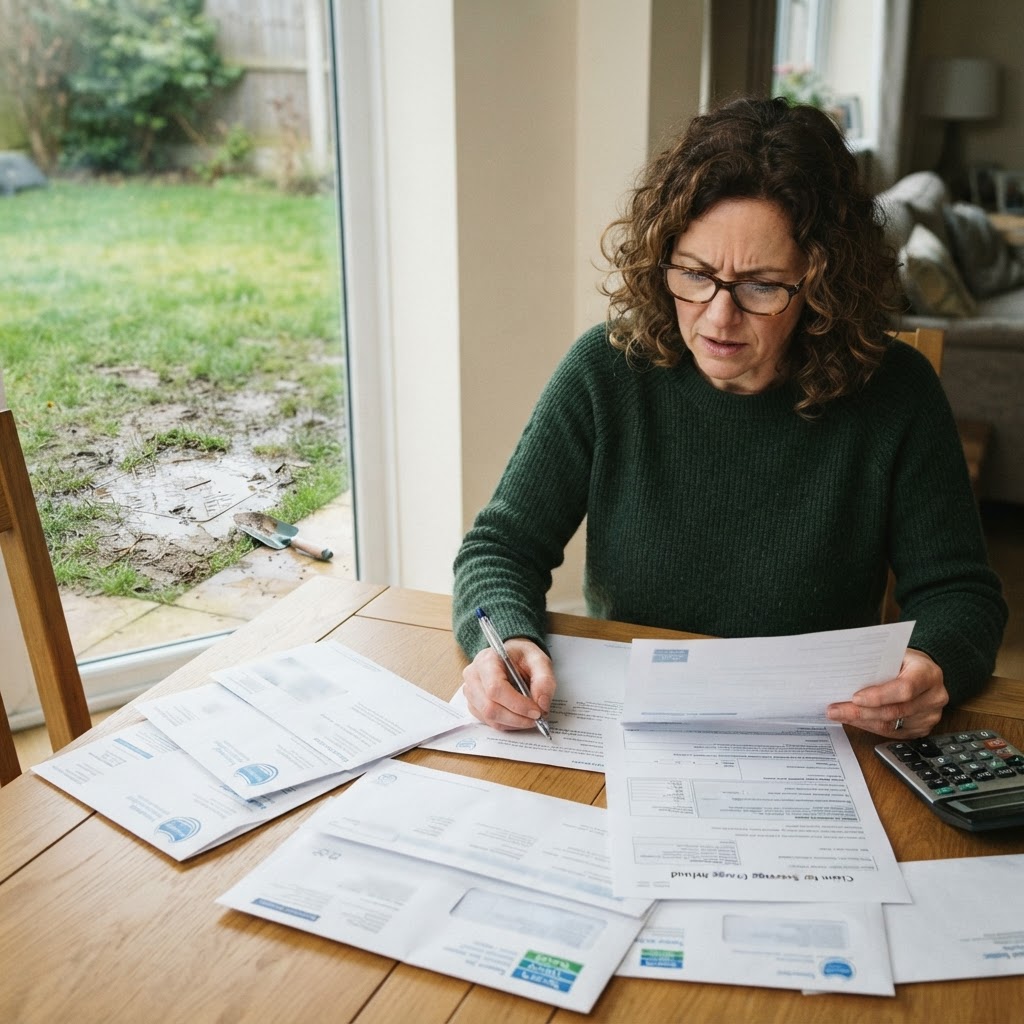
How to reclaim overpaid water bills in the UK due to sewer leakage
Many households are paying for water they don't use due to internal leaks. Discover how to identify a leak and claim back money from your water provider.