
How to Reduce Your Energy Bill by Optimising Your Home’s Insulation
Improving your home’s insulation can lead to significant savings on your energy bills. Here’s how to enhance your insulation effectively and cut costs.
Understanding the Importance of Insulation
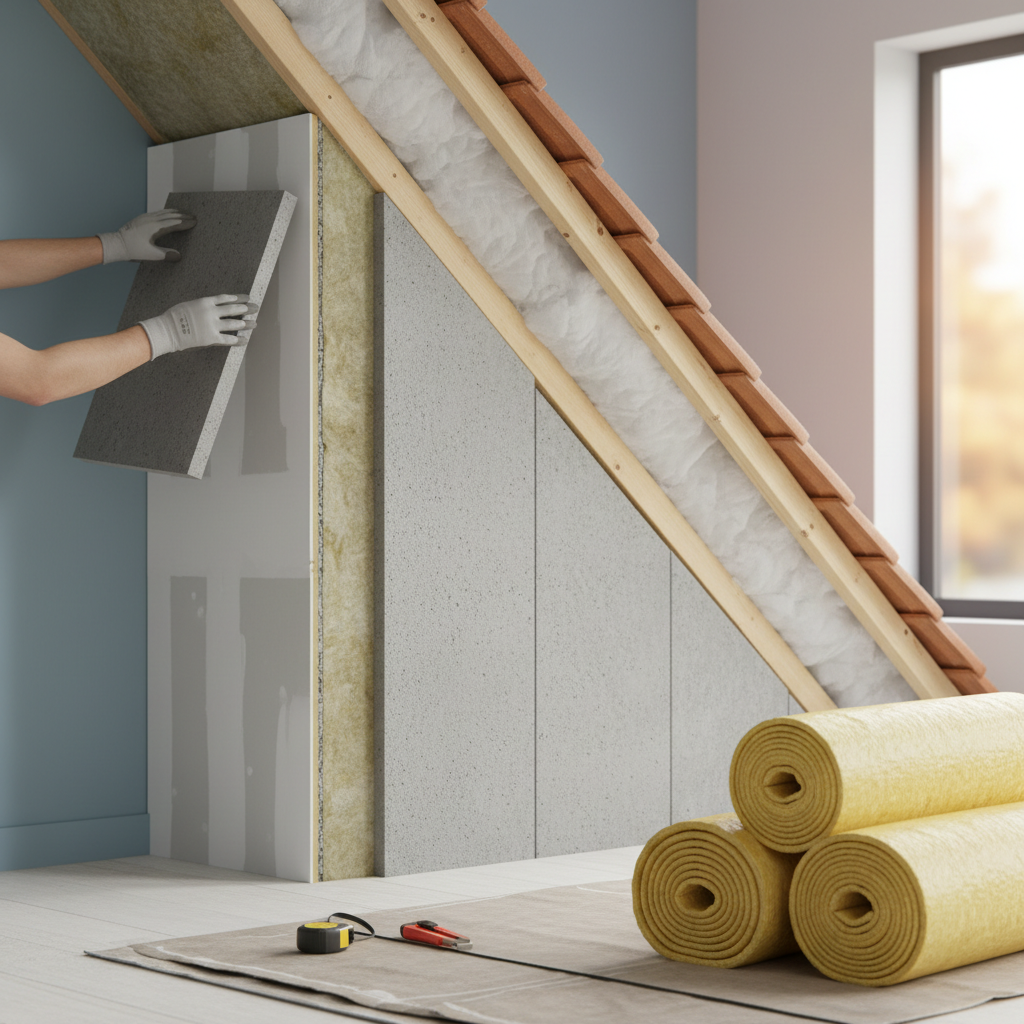
Insulation is a crucial component in maintaining a comfortable and energy-efficient home. Proper insulation reduces the amount of heat lost in winter and keeps your home cool during hotter months. According to the Energy Saving Trust, poorly insulated homes could waste as much as 35% of heat through the walls and 25% through the roof. By addressing these issues, not only can you create a more comfortable living environment, but you can also achieve substantial savings on your energy bills.
Evaluating Your Current Insulation
Before making improvements, evaluate your existing insulation levels. Perform a simple inspection to check if:
- The loft is insulated (ideally, at least 270mm thick mineral wool).
- There are drafts around windows and doors.
- The walls are adequately insulated, particularly if your home was built before the 1990s.
Consider using an infrared thermometer to identify cold spots in your walls and ceilings that indicate poor insulation. If you're uncertain about your home's insulation state, contacting a professional energy assessor can provide you with a clearer picture and recommendations on areas for improvement.
Essential Insulation Improvements
Here are key areas in your home to consider for insulation improvements:
1. Loft Insulation
Loft insulation is often one of the most effective upgrades homeowners can make. For every £1 invested in insulation, it can save you around £3 on heating costs. The recommended depth for mineral wool insulation is 270mm. If your loft insulation is below this, topping it up can be quick and inexpensive. For a typical semi-detached house, this can save approximately £300 per year on energy bills.
2. Cavity Wall Insulation
If you live in a property with cavity walls (common in homes built after the 1920s), consider cavity wall insulation. This involves filling the cavity between your walls with insulating material, which can cut heating bills by £150-£175 annually. Government grants may be available for this service. Check the Energy Company Obligation (ECO) scheme for potential assistance if you’re eligible.
3. Draft Proofing
Drafts can significantly increase heating costs. Use draught-proofing strips or professional services to seal gaps around windows, doors, and even electrical sockets. The combined savings from draught-proofing can amount to £20-£60 a year. Moreover, look for draughts near floorboards and letterboxes, using brushes or heavier curtains to cover openings.
4. Double Glazing
If your windows are single-glazed, consider upgrading to double glazing. This improvement can save approximately £100 on your annual energy bills while also reducing noise and enhancing comfort. While this option requires a more significant initial outlay, the long-term savings and increased property value make it a worthwhile investment.
Consider Financial Support and Grants
The UK government offers various schemes to help homeowners with the costs of insulation upgrades. The Green Homes Grant voucher scheme allows householders to claim up to £10,000 for energy-saving home improvements, including insulation. While specific funding details may change, check with the GOV.UK website for current applications and eligibility.
Conclusion
Optimising your home’s insulation can lead to substantial energy savings and create a more comfortable living space. By addressing key areas such as lofts, cavity walls, and draft-proofing, UK households can save hundreds of pounds annually on their energy bills. Take the time to evaluate your home’s insulation needs, and consider accessing available grants to offset any upfront costs. Remember, a well-insulated home not only conserves energy but also contributes to a more sustainable environment.
One email. Every Sunday. The tips that actually save UK households money.
More on energy & bills

What the October 2026 Energy Policy Changes Mean for Your Household Budget
New government announcements are set to alter how we pay for gas and electricity. Here is a breakdown of what the recent policy shifts mean for your monthly bills.

How to check if your energy supplier is correctly applying the Price Cap
With the October 2026 energy price cap rise, many households are confused about their bills. Here is how to verify if your supplier is charging you within the legal limits.
How to switch to a time-of-use energy tariff in the UK
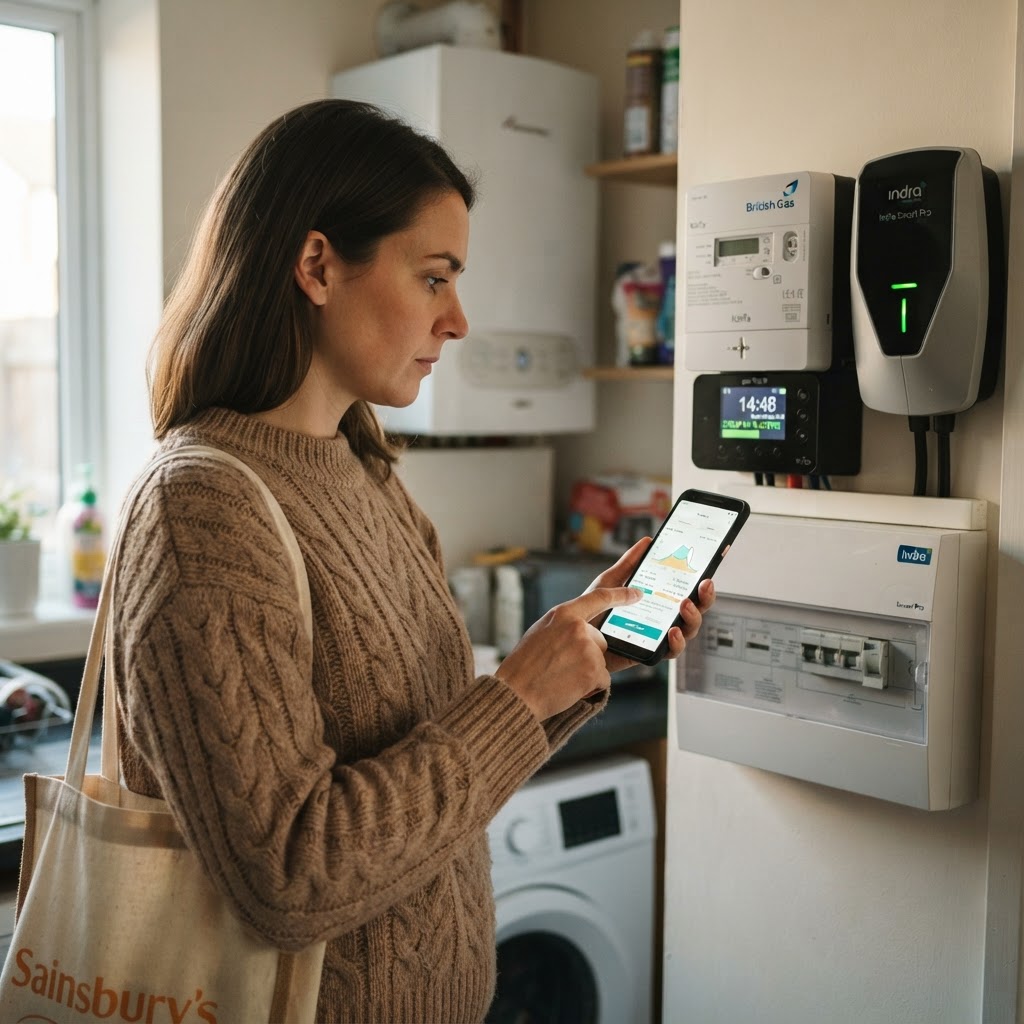
Moving to a time-of-use tariff could significantly lower your annual bills if you can shift your major energy usage to off-peak hours.