How to Reduce Your Energy Bill with Smart Meter Technology in the UK
Smart meters can provide valuable insights into your energy usage, helping you save money on your bills. Here's how to make the most of this technology.
Understanding Smart Meters
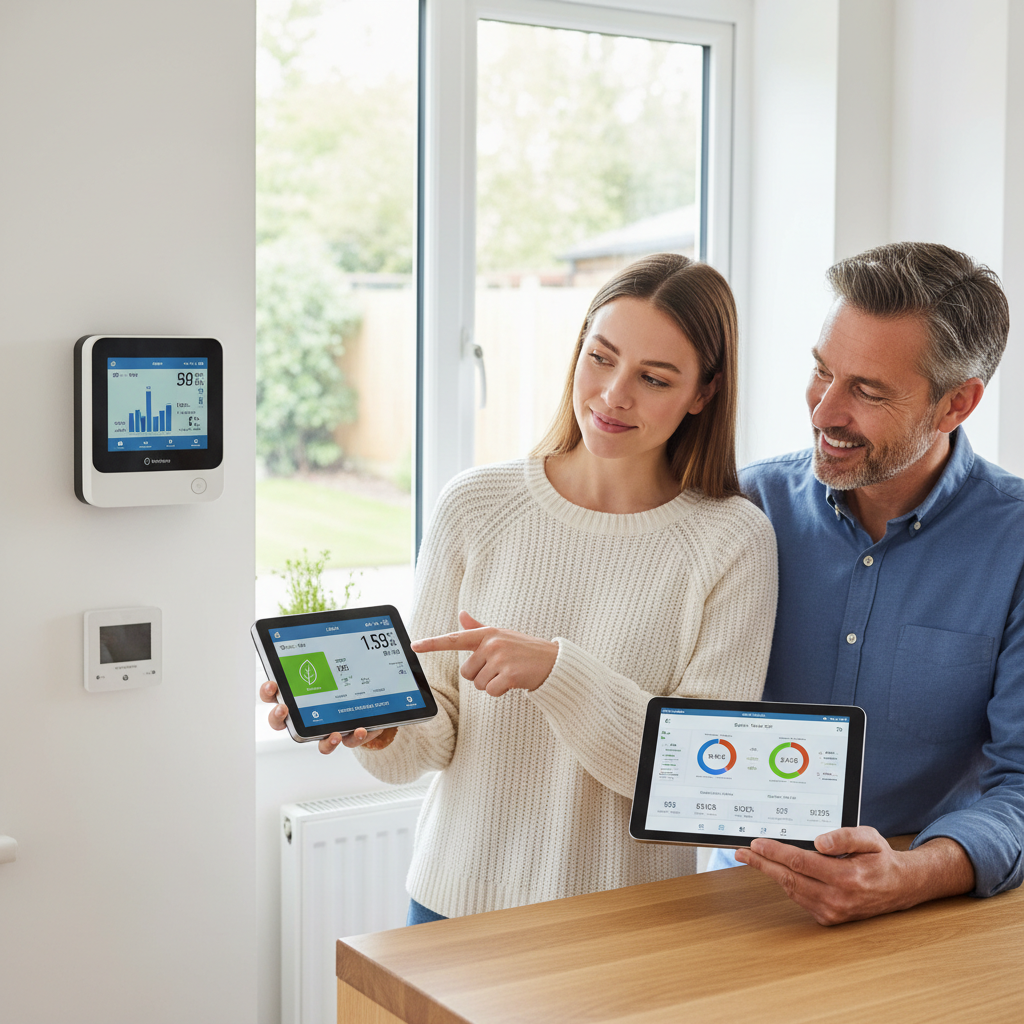
Smart meters are a modern replacement for traditional gas and electricity meters. They automatically send your energy usage data to your supplier, providing real-time insights into how much energy you're using and when. As a result, consumers can manage their energy consumption more effectively and save money.
How Smart Meters Help You Save Money
-
Real-Time Data: With a smart meter, you can see how much energy you are using in real-time. This transparency allows you to adjust your habits—like turning off appliances when you're not using them or running washing machines at off-peak times.
-
Understanding Peak vs Off-Peak Rates: Many energy providers offer cheaper tariffs for off-peak usage. By monitoring your consumption with a smart meter, you will know the best times to use large appliances, potentially saving hundreds of pounds a year.
-
Avoiding Estimated Bills: Smart meters eliminate estimated billing as your supplier receives accurate readings automatically. This can prevent under or overpaying on your energy bills and help you budget more effectively.
-
Informed Decisions on Energy Plans: By using data from your smart meter, you can assess whether you're on the best energy tariff for your needs, or if switching suppliers can save you more.
Choosing the Right Energy Supplier with Smart Meters
Many energy suppliers in the UK, including British Gas, E.ON, and Octopus Energy, offer smart meters as part of their service. Some of them may even provide additional benefits for smart meter users, such as discounted rates or rewards for energy savings.
To choose the right supplier, consider:
- Tariff rates: Look for fixed-term contracts, variable rates, or special tariffs that suit your consumption patterns.
- Switching Bonuses: Some suppliers offer cash incentives to switch to their service.
- Customer support: Check reviews and ratings for customer service responsiveness, especially regarding smart meter management.
Maximising Your Smart Meter Savings
-
Regularly Check Your Usage: Most smart meters come with an in-home display (IHD) that shows your current usage and estimated bills. Check it regularly to identify when you’re using the most energy.
-
Adjust Your Habits: After monitoring your usage, try to change your habits. For example, avoid using high-power appliances during peak hours when rates tend to be higher.
-
Use Energy Saving Devices: Complement your smart meter usage with energy-saving devices like LED bulbs, smart plugs, and timers to automate your energy saving.
-
Participate in Energy Plans: Check if your supplier has any initiatives where you can participate in demand reduction events. They might offer you cheaper rates in exchange for reducing your usage during peak times.
Reporting Issues with Your Smart Meter
Smart meters are usually reliable, but if you notice any discrepancies in your energy readings, report them immediately to your supplier. They have an obligation to ensure that their metering equipment is working correctly, and they should be able to assist you in resolving any issues.
In some cases, if your smart meter is not functioning properly, your supplier is required to replace it free of charge.
Estimated Savings
By effectively managing your energy usage with a smart meter, households can realistically save around £100 to £300 per year. This figure varies based on previous energy habits, the types of devices in use, and the energy plan selected.
Conclusion
Smart meters are a step forward in helping consumers take control of their energy consumption. By being proactive and using the data provided, you can reduce your energy bills significantly and ultimately contribute to a more sustainable environment.
For more details on smart meters and how they can impact your energy bills, consider checking out resources from Ofgem or your energy supplier’s website for the latest information and best practices.
One email. Every Sunday. The tips that actually save UK households money.
More on energy & bills
What the October 2026 Energy Policy Changes Mean for Your Household Budget
New government announcements are set to alter how we pay for gas and electricity. Here is a breakdown of what the recent policy shifts mean for your monthly bills.
How to check if your energy supplier is correctly applying the Price Cap
With the October 2026 energy price cap rise, many households are confused about their bills. Here is how to verify if your supplier is charging you within the legal limits.
How to switch to a time-of-use energy tariff in the UK
Moving to a time-of-use tariff could significantly lower your annual bills if you can shift your major energy usage to off-peak hours.