
How to Reduce Your Energy Standing Charge in the UK: Practical Strategies for Households
Standing charges on energy bills can be a hidden cost for UK households. This guide provides practical tips to effectively manage and reduce these charges.
Check Your Current Tariff and Provider
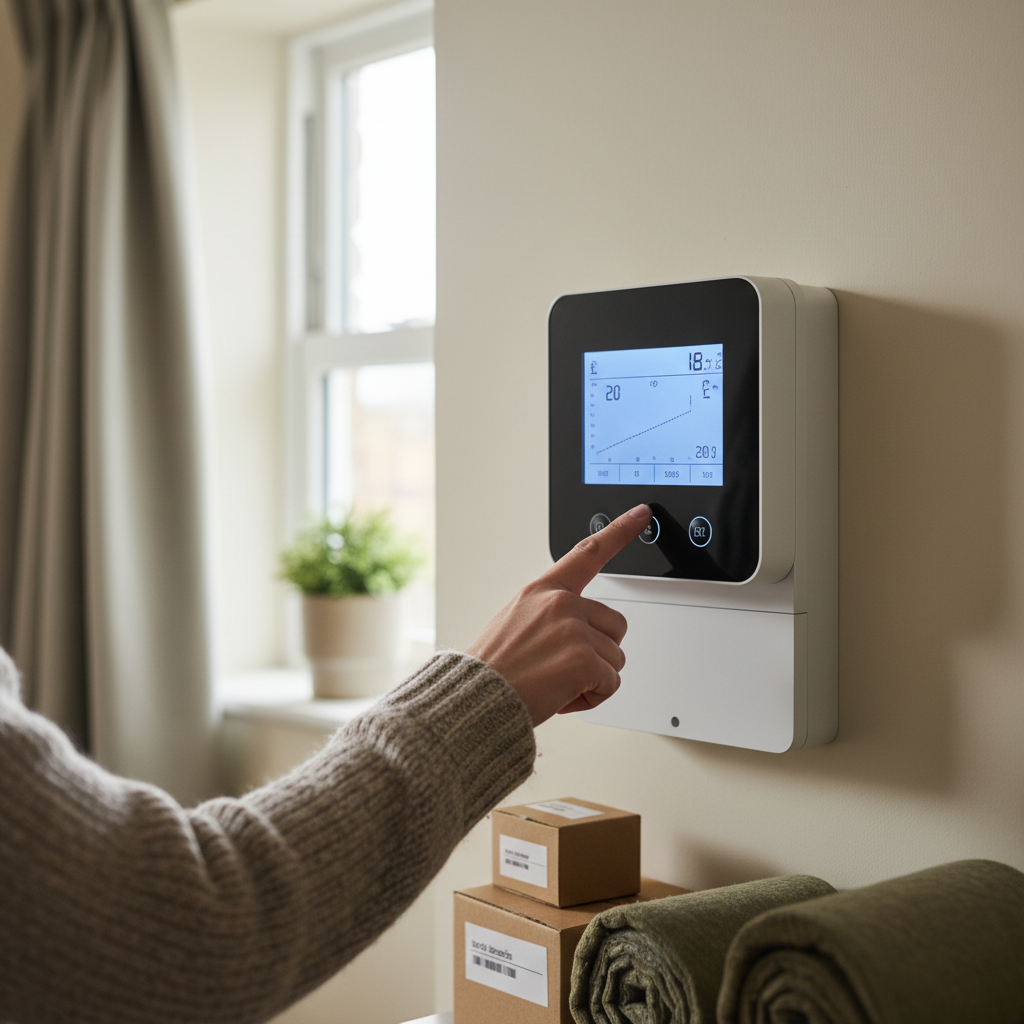
The first step to reducing your standing charge is to understand what you are currently paying for. Log into your online account with your energy supplier or check your recent bills. Compare the standing charge with other utility providers. You can use comparison websites like Uswitch or Compare the Market to see if better deals are available.
The average combined dual-fuel standing charge is 84.51p per day (54.83p for electricity and 29.68p for gas), but this can differ significantly between companies. Switching to a provider with a lower standing charge can lead to substantial annual savings.
Consider a Prepayment Meter
If you are struggling to manage your energy costs, switching to a prepayment meter might be a viable option. Some consumers believe that prepaid meters incur higher rates, but in many cases, the standing charge may be lower, thereby providing savings in the long run. Research suggests that switching to a prepayment meter could save you between £20 - £100 per year, depending on individual usage patterns.
Before making this switch, contact your supplier to ensure you understand any implications for your service.
Apply for the Warm Home Discount
The Warm Home Discount is a government scheme available to certain households that can help decrease energy costs. Eligible customers can receive up to £150 off their energy bill during the winter months. While this does not directly reduce the standing charge, it can ease the overall annual energy expenditure, contributing to a healthier budget sheet.
Eligible groups typically include pensioners and those on qualifying benefits. Ensure to check your eligibility and apply through your energy provider before the deadline.
Take Advantage of Energy-Saving Schemes
Beyond just looking at your standing charge, consider adopting energy-saving schemes that may help you decrease your overall energy usage—this in turn can lessen your standing charge impact.
-
Energy Efficiency Grants: Local councils often offer grants for improvements in energy efficiency. This could involve insulation or heating system upgrades, leading to reduced energy consumption and lower standing charges over time.
-
Smart Meters: Installing a smart meter can help you closely monitor your energy usage, allowing you to adjust your habits accordingly to save money. While smart meters do not directly affect standing charges, they can help you manage overall costs more effectively.
-
Energy Suppliers’ Schemes: Many energy suppliers run their own energy-saving initiatives or cash-back schemes. For example, British Gas offers a scheme for customers who can demonstrate energy-saving steps taken at home, which can translate into savings or financial incentives.
Review Your Energy Usage Pattern
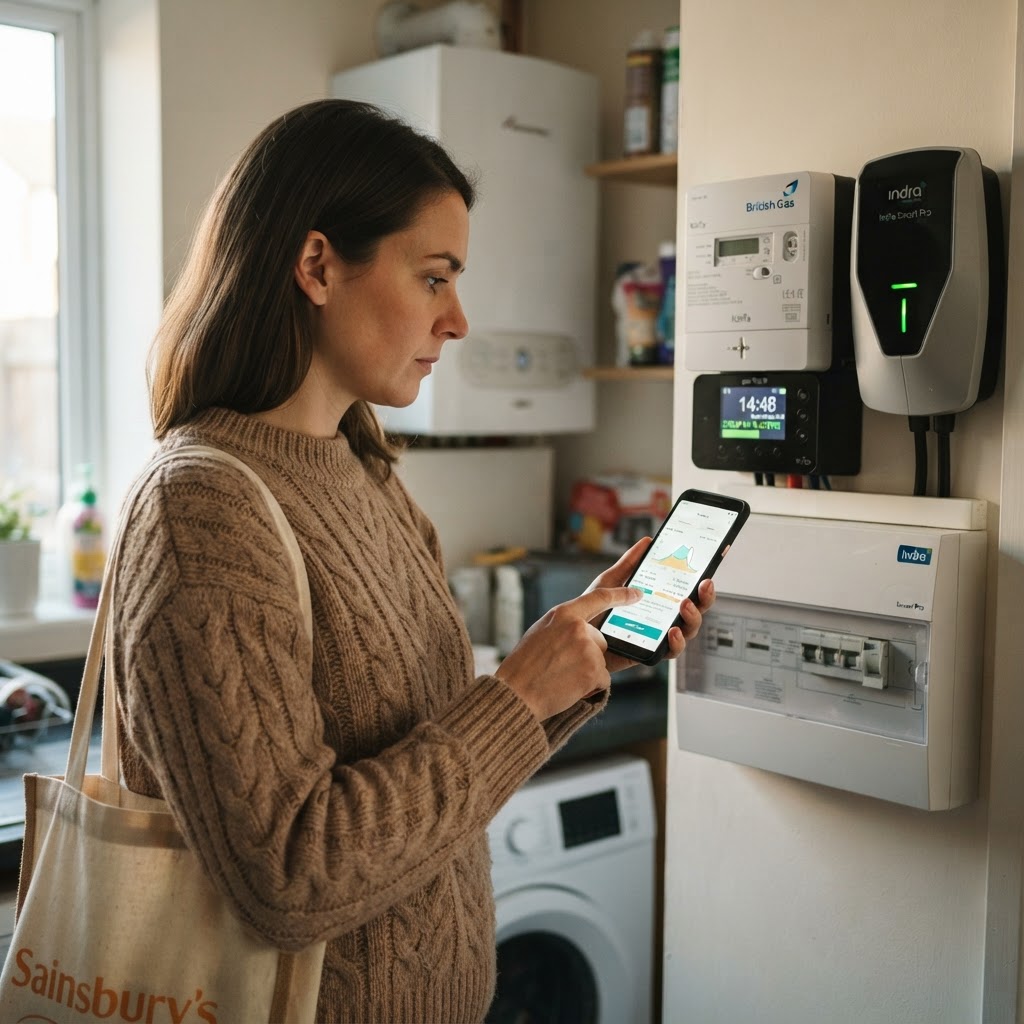
Understanding when and how you use energy is imperative. If your energy usage is heavily during off-peak hours, consider choosing a time-of-use tariff that offers lower rates during these periods. Although most of these tariffs come with a standing charge, the savings you make on energy consumption can outweigh the charge for many households.
For example, if you were to switch to an Economy 7 tariff where charging at night could mean energy prices lower than the standard unit rate of 26.32p per kWh, the trade-off with potentially higher standing charges might still result in overall savings depending on your habits.
Conclusion
Reducing your standing charges may require some investigation and active decision-making, but it can lead to meaningful cash savings for your household. By understanding your current tariff, exploring energy efficiency grants, and modifying your energy consumption patterns, you may potentially save £100 or more per year.
Regularly reviewing your supplier and tariffs is essential, as the energy market continues to evolve.
Take the time to reassess how you consume energy and look for ways to lessen your standing costs today.
One email. Every Sunday. The tips that actually save UK households money.
More on energy & bills

What the October 2026 Energy Policy Changes Mean for Your Household Budget
New government announcements are set to alter how we pay for gas and electricity. Here is a breakdown of what the recent policy shifts mean for your monthly bills.

How to check if your energy supplier is correctly applying the Price Cap
With the October 2026 energy price cap rise, many households are confused about their bills. Here is how to verify if your supplier is charging you within the legal limits.
How to switch to a time-of-use energy tariff in the UK
Moving to a time-of-use tariff could significantly lower your annual bills if you can shift your major energy usage to off-peak hours.