
How to Reduce Your Home’s Carbon Footprint in the UK: Practical Strategies for Households
Reducing your home’s carbon footprint is not only good for the environment but can also lead to significant savings on your energy bills. Here’s how you can make impactful changes.

Understand Your Current Footprint
The first step in reducing your carbon footprint is understanding how much energy your home uses. You can do this by reviewing your energy bills, but for a clearer picture, consider conducting a home energy audit. Many energy suppliers offer free audits which assess your usage and suggest improvements, potentially saving you hundreds of pounds each year.
Improve Energy Efficiency
Insulation
One of the most effective ways to reduce energy consumption is through proper insulation. Insulating your loft has the potential to save you up to £200 a year on heating bills. According to the Energy Saving Trust, you should aim for at least 270mm of insulation in your loft.
You can also insulate walls, floors, and even pipes to enhance heating efficiency. Check if you're eligible for grants like the Energy Company Obligation (ECO), which helps low-income households with insulation costs.
Energy-Efficient Appliances
Upgrading to energy-efficient appliances can also yield significant savings. Look for items rated A++ or higher. The average home can save about £50 annually by switching to LED light bulbs alone compared to traditional bulbs.
Particular appliances, such as fridges, washing machines, and dishwashers, should also be replaced if they are more than ten years old. Energy-efficient models not only reduce your carbon footprint but also lower your bills.
Choose Sustainable Energy Sources
Solar Panels
Investing in solar panels can seem daunting, but they offer substantial long-term savings. A typical household can save around £260 a year on energy bills by generating their own energy. If your installation costs are offset by the government’s Feed-in Tariff (FiT) scheme, your initial outlay can be recovered much quicker than you might expect.
Additionally, you could consider renewable tariffs with energy suppliers like Octopus Energy or Bulb, which source their electricity only from renewable energy.
Heat Pumps
Consider installing an air-source heat pump or a ground-source heat pump. While this might require a larger initial investment, you can save up to £400 per year on heating. With government initiatives like the Renewable Heat Incentive (RHI), there are options to recoup some of your costs, making this a financially viable green option.
Practice Energy-Saving Habits
It’s not just about big investments—simple changes in daily habits can reduce your energy consumption significantly.
For example,
- Switch Off Standby: You could save £30 a year by turning off electronic devices instead of leaving them on standby.
- Smart Heating Controls: Installing smart thermostats can help regulate heating use better. These can save you an estimated £75 a year.
- Temperature Control: Keeping your thermostat at 18°C in winter can save you up to £100 a year on heating costs.
Don’t Forget About Your Water Use
Water heating is a significant contributor to your carbon footprint.
- Install Water-Efficient Fixtures: Consider low-flow taps and showerheads, which can reduce hot water usage and lower your heating bills.
- Insulate Water Pipes: Insulating your hot water pipes can retain heat and save about £25 per year.
Conclusion
Overall, reducing your home’s carbon footprint involves a combination of improving energy efficiency, investing in sustainable technologies, and adopting energy-saving habits. With potential annual savings of around £400 or more through these changes, not only will you be contributing to a greener planet, but your wallet will also thank you for it.
Estimated annual savings: £400
Check with sites like Which? and Energy Saving Trust for updated information on grants and schemes available in your area.
One email. Every Sunday. The tips that actually save UK households money.
More on energy & bills

What the October 2026 Energy Policy Changes Mean for Your Household Budget
New government announcements are set to alter how we pay for gas and electricity. Here is a breakdown of what the recent policy shifts mean for your monthly bills.

How to check if your energy supplier is correctly applying the Price Cap
With the October 2026 energy price cap rise, many households are confused about their bills. Here is how to verify if your supplier is charging you within the legal limits.
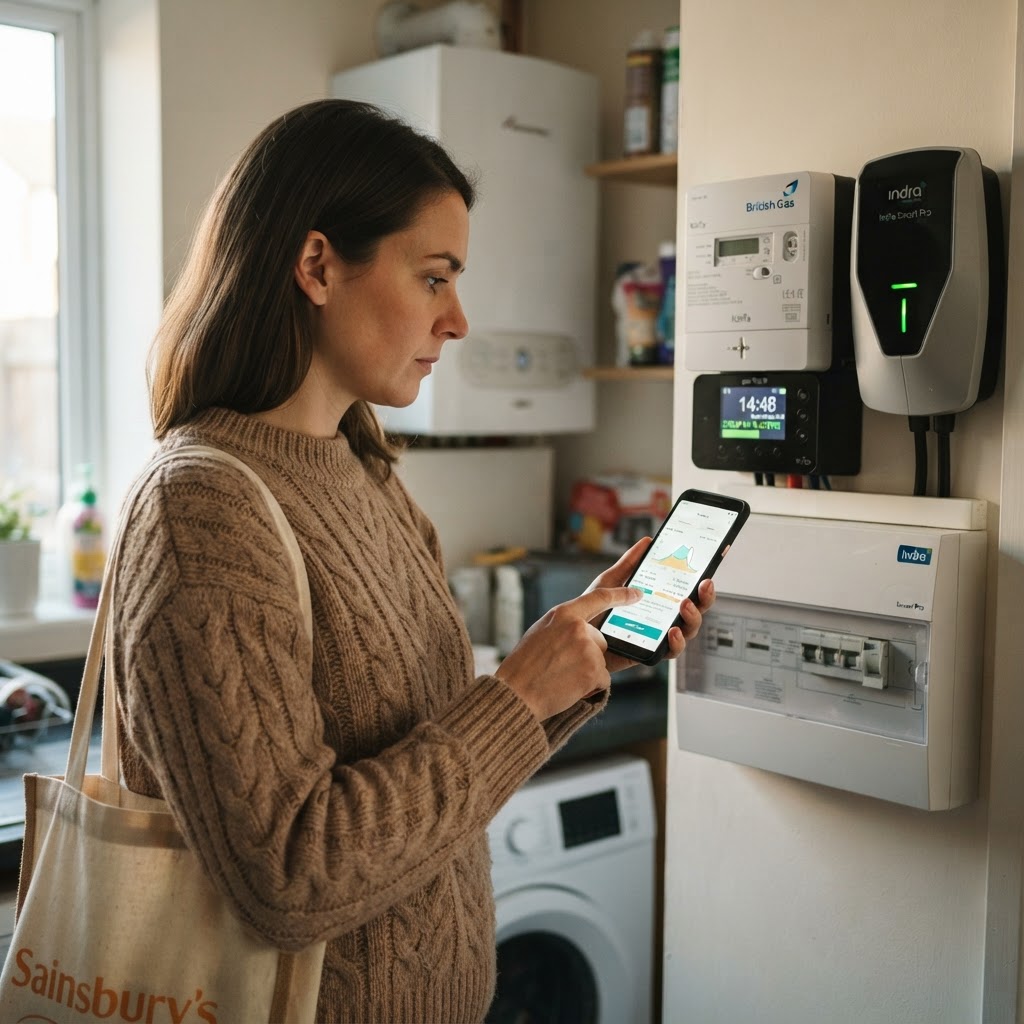
How to switch to a time-of-use energy tariff in the UK
Moving to a time-of-use tariff could significantly lower your annual bills if you can shift your major energy usage to off-peak hours.