
How to Reduce Your Standing Charge in the UK: Tips for Households
Standing charges contribute significantly to energy bills, even when no energy is used. Here’s how UK households can effectively reduce these costs.
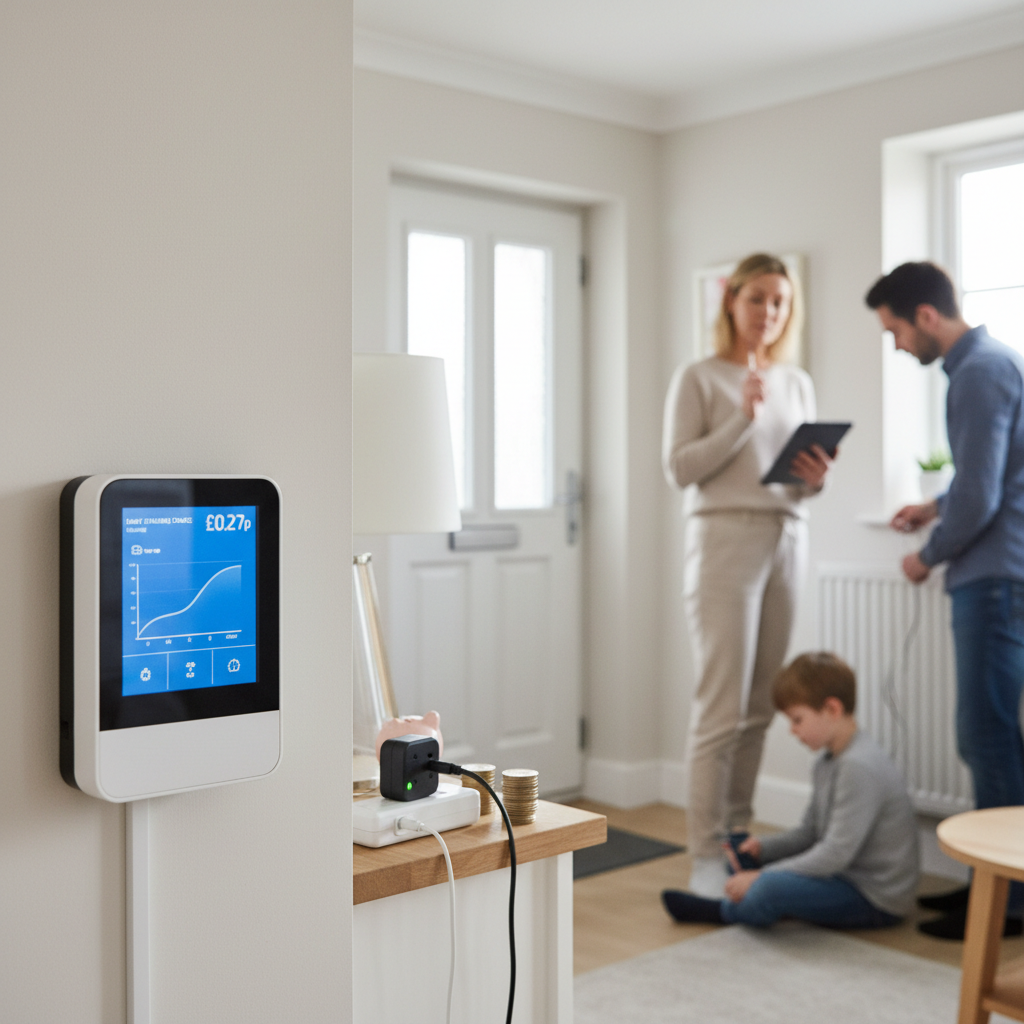
Understanding the Standing Charge
The standing charge is a fixed daily fee that energy suppliers impose on your bill, which covers costs related to providing energy to your home, including infrastructure and administration. In the UK, this charge can vary widely depending on your energy provider and tariff plan. As of 2026, some households are seeing standing charges upwards of £308.46 a year.
1. Compare Energy Providers
One of the best ways to reduce your standing charges is to switch energy providers. Websites like Uswitch and Compare the Market can help you find a provider with lower standing charges.
For instance, while some firms may charge around 45p per day, others keep it as low as 20p. That could result in savings of around £150 annually just by switching your supplier. Make sure to read the terms and conditions, as some contracts may charge exit fees.
2. Opt for a Prepayment Meter
If you can manage your energy usage closely, another approach is to use a prepayment meter. These meters often come with lower standing charges, which can result in annual savings. However, the cost of energy per kWh can be higher, so evaluate whether the standing charge reduction offsets the potential increase in consumption cost. It can be a useful option for those who want to keep their spending under control without accumulating debt on their energy bills.
3. Engage in Collective Switching
Collective switching initiatives allow groups of consumers to come together and switch energy suppliers to secure a better deal. This often leads to reduced standing charges as energy companies compete for larger groups of customers. Websites such as Collective Switching and GoCompare frequently run campaigns to find better deals, which can be particularly beneficial for households in the same area. Joining forces can lead to savings ranging from £50 to £200 depending on current standing charges and usage.
4. Review Your Energy Usage
Lastly, understanding and optimising your energy usage can indirectly affect your standing charge.
Consider undertaking an energy audit; this can identify where you might be spending unnecessarily and whether you're on the best tariff. The Energy Saving Trust offers a wealth of advice on reducing overall consumption. Strategies such as using energy-efficient appliances, utilising smart meters, and being mindful of peak times can lower your total bill significantly.
5. Explore Tariff Options
Examine the various tariff options available from your current supplier. Some suppliers offer specific tariffs that feature lower standing charges, often referred to as "variable tariffs" or incentives for off-peak energy use.
These tariffs tailor your pricing according to when you use energy, which can also highlight the advantages of adjusting your usage patterns. Contact your supplier or check their website to learn about available options.
Conclusion
Reducing your standing charges can make a tangible difference in managing your energy bills. By comparing energy suppliers, possibly switching to a prepayment meter, engaging in collective switching, reviewing your energy usage, and exploring your available tariffs, you can take steps towards significant savings. Households can realistically save between £50 and £200 a year by implementing some of these strategies, creating a more manageable budget in the current economic climate.
One email. Every Sunday. The tips that actually save UK households money.
More on energy & bills

What the October 2026 Energy Policy Changes Mean for Your Household Budget
New government announcements are set to alter how we pay for gas and electricity. Here is a breakdown of what the recent policy shifts mean for your monthly bills.

How to check if your energy supplier is correctly applying the Price Cap
With the October 2026 energy price cap rise, many households are confused about their bills. Here is how to verify if your supplier is charging you within the legal limits.
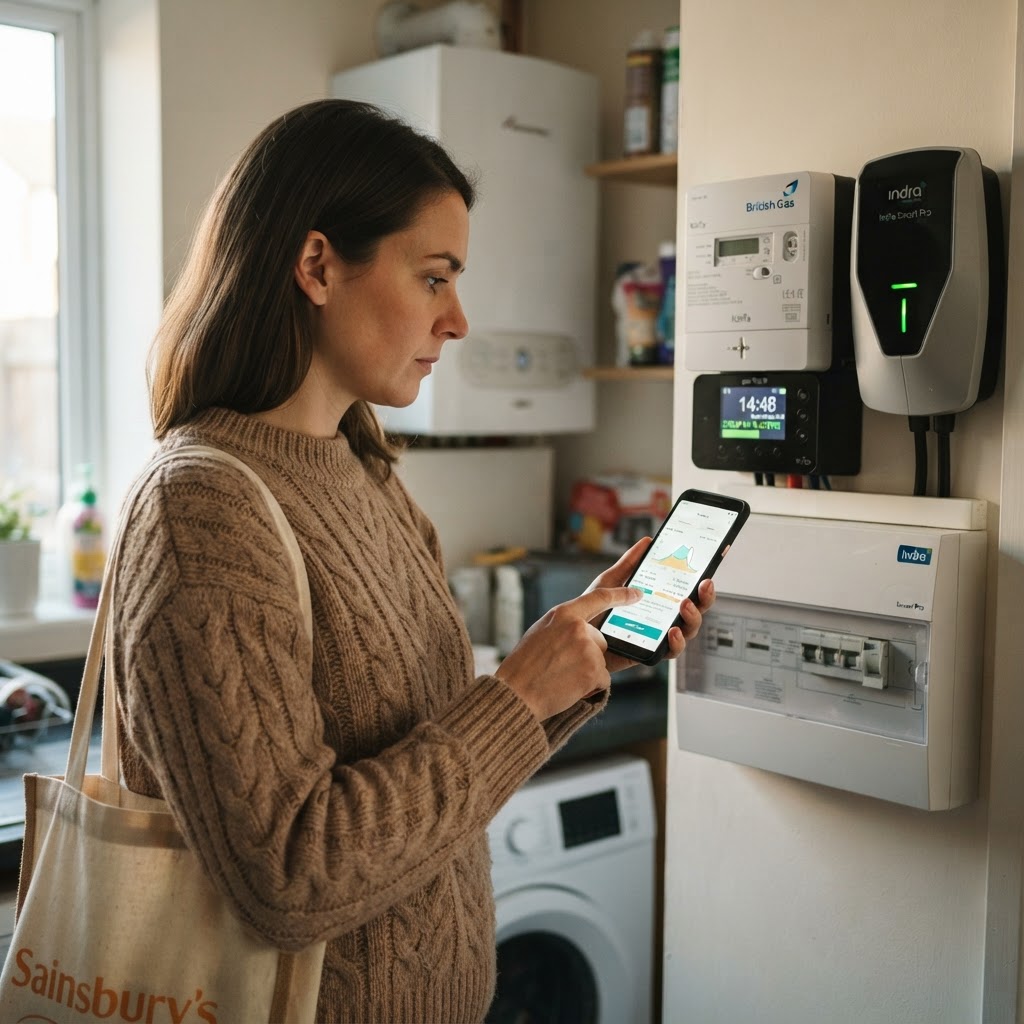
How to switch to a time-of-use energy tariff in the UK
Moving to a time-of-use tariff could significantly lower your annual bills if you can shift your major energy usage to off-peak hours.