
How to slash your energy bill before winter: the eight changes that actually work
A practical, room-by-room guide to cutting your gas and electricity costs — without sitting in the dark or replacing the boiler.
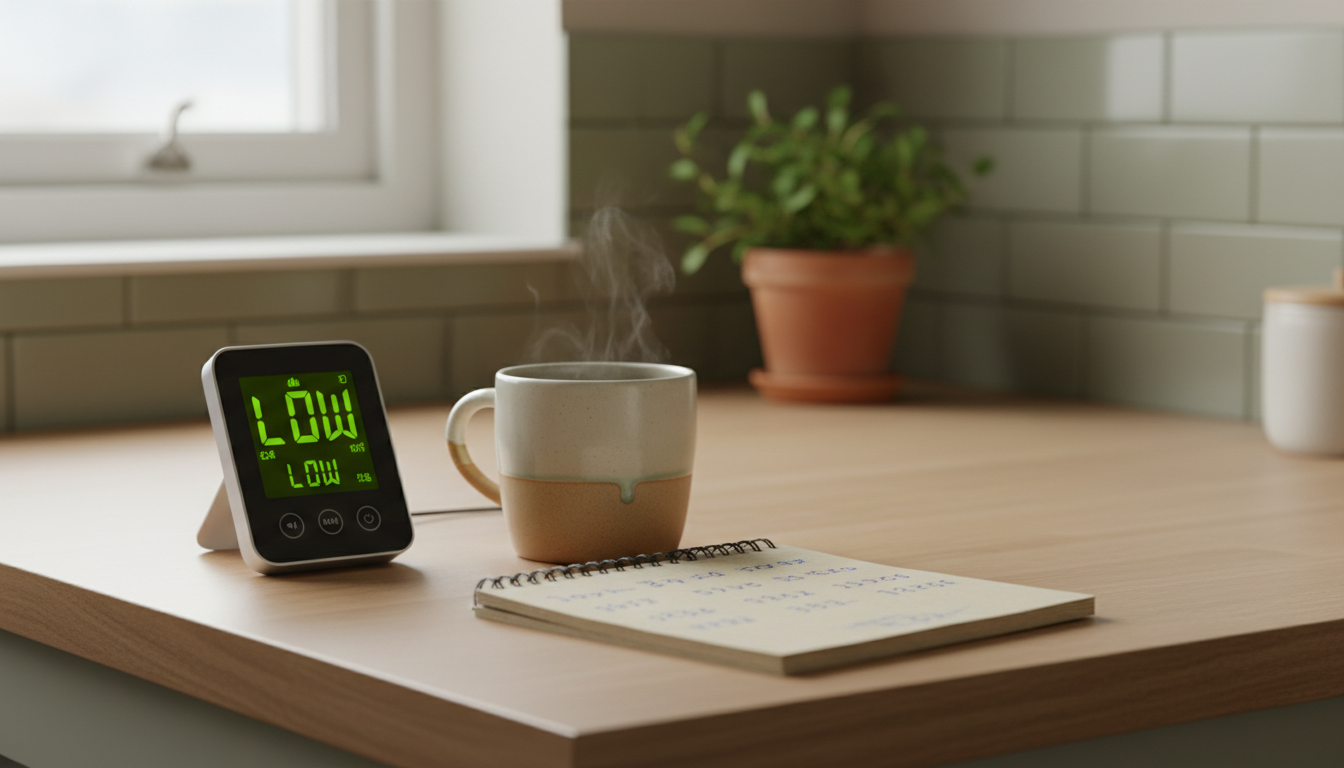
Energy prices in the UK remain stubbornly high, and the cold months are when households feel it most. The good news: a handful of small, well-targeted changes can shave hundreds off your annual bill — often more than switching tariff ever could.
1. Get your thermostat right
The Energy Saving Trust estimates that turning your room thermostat down by just one degree can cut heating bills by around 10%. For most homes, 18–20°C is comfortable. If yours currently sits at 22°C, you're paying for warmth you don't need.
2. Bleed your radiators
A radiator that's hot at the bottom and cold at the top has trapped air. Bleeding it takes two minutes and a small key (under £2 from any hardware shop). Radiators heat faster and use less gas afterwards.
3. Reflective panels behind external-wall radiators
A roll of reflective foil costs around £10 and pushes heat back into the room instead of into the wall. Best used on radiators fitted to outside walls of older homes.
4. Draught-proof doors and floorboards
A brush strip on the front door and a tube of decorator's caulk along skirting boards can save the average household around £45 a year, according to the Energy Saving Trust. The whole job costs less than a takeaway.
5. Wash at 30°C
Nearly 90% of a washing machine's energy use goes on heating water. Modern detergents work perfectly well at 30°C. For lightly soiled loads, even 20°C is fine.
6. Switch off — properly
Standby power (the red light on the TV, the glowing microwave clock) is estimated to cost UK households about £55 a year. A £5 timer plug solves it.
7. Use the oven smartly
Fan ovens are typically 20°C more efficient than conventional — drop the recipe temperature accordingly. Better still, batch-cook: filling the oven for one session uses far less energy than three separate roasts.
8. Check whether you're on the cheapest tariff
With the price cap in flux, fixed deals have started to reappear. Use Ofgem-accredited comparison sites and check whether your supplier offers a loyalty fixed rate before switching.
The combined effect of these changes for an average three-bedroom home is roughly £300–£450 a year. None of them require capital investment.
Where to start? Pick the two that are easiest in your home — usually thermostat and standby — and work down the list as the colder weeks settle in.
One email. Every Sunday. The tips that actually save UK households money.
More on energy & bills

What the October 2026 Energy Policy Changes Mean for Your Household Budget
New government announcements are set to alter how we pay for gas and electricity. Here is a breakdown of what the recent policy shifts mean for your monthly bills.

How to check if your energy supplier is correctly applying the Price Cap
With the October 2026 energy price cap rise, many households are confused about their bills. Here is how to verify if your supplier is charging you within the legal limits.
How to switch to a time-of-use energy tariff in the UK
Moving to a time-of-use tariff could significantly lower your annual bills if you can shift your major energy usage to off-peak hours.