The standing charge scandal: why you're paying £334 a year before you use a single unit
An analysis of the UK's rising energy standing charges, which now cost the average household £334 annually, and whether the new zero-standing-charge tariffs are worth the switch.

Every UK household on a standard energy tariff now faces a daily standing charge, a fixed fee that accumulates regardless of whether you consume a single kilowatt-hour of energy. As of October 2026, the average dual-fuel daily standing charge sits at approximately 84.51p, amounting to a unavoidable annual cost of £308.46 before you even switch on a kettle or heat a room. While these charges have existed for years, their rapid escalation has transformed them from a minor administrative line item into a significant driver of fuel poverty for millions of households.
What the charge covers
To understand why this fee has spiked, one must look at what it funds: the essential infrastructure costs of the national grid, the maintenance of smart meters, and the ongoing legacy of the energy crisis of 2021-22. A substantial portion of the current charge is earmarked for supplier-of-last-resort levies, which recoup the costs of bailing out failed energy firms during the market collapse. Furthermore, your standing charge covers a share of various social and environmental obligations, including schemes intended to subsidise energy efficiency improvements in social housing.
These costs have been socialised across all bill-payers, leading to a fivefold increase since 2020, when the average daily rate was closer to 25p. This shift reflects a regulatory decision to protect suppliers' balance sheets by ensuring fixed costs are recovered through a guaranteed daily income, rather than relying solely on volumetric usage charges.
Why it penalises low users
The flat-rate nature of the standing charge creates a regressive system that hits low-income individuals, residents of small flats, and single-occupancy households the hardest. If you use very little energy, the standing charge can easily account for more than 50 per cent of your total monthly bill. For those on a tight budget, this creates a scenario where conserving energy provides diminishing returns; even if you turn off every light and appliance, the daily fee remains fixed.
Organisations like Citizens Advice have repeatedly raised concerns that this structure disincentivises the very energy-saving behaviours that the government is otherwise keen to promote. It essentially acts as a regressive tax, where a pensioner living in a one-bedroom flat pays the same daily fixed cost for network access as a large family living in a detached home.
Regulatory changes and zero-charge options
Following a protracted consultation process throughout 2024 and 2025, the regulator Ofgem finally intervened. In February 2026, new rules mandated that energy suppliers must offer at least one zero-standing-charge tariff alongside their standard variable options. This move was designed to provide a 'get out' for low-usage customers who were previously forced to cross-subsidise high-energy households.
However, the catch remains: if you opt for a zero-standing-charge tariff, the unit rate per kilowatt-hour is almost invariably higher. The logic is simple arithmetic; the supplier must recover their fixed costs from the variable units you consume instead. For the average household, this makes a zero-standing-charge tariff mathematically inferior to a standard contract.
Calculating the switching benefit
Deciding whether to move to a zero-standing-charge tariff requires a cold, hard look at your consumption data. The break-even point is dictated by your annual usage, which you should verify by looking at your actual bills from the last twelve months, rather than relying on a supplier's estimate or direct debit projections.
If your annual usage is below approximately 1,500 kWh for electricity and 4,000 kWh for gas, a zero-standing-charge tariff will likely reduce your total annual expenditure. For the typical UK household, consuming around 2,700 kWh of electricity and 11,500 kWh of gas annually, the standard variable tariff remains the cheaper option. High users will find that a standard tariff is significantly more cost-effective because the lower unit rate outweighs the fixed daily fee.
You can use an Ofgem-accredited comparison site to model these scenarios, ensuring you tick the filter for 'include no-standing-charge tariffs' to see the true cost difference.
The bottom line
The standing charge is unlikely to disappear, but for the first time in a decade, households now have a genuine, regulated alternative to consider. Whether switching to a zero-standing-charge tariff saves you money is a matter of arithmetic, not politics, so calculate your usage carefully before committing to a change.
One email. Every Sunday. The tips that actually save UK households money.
More on energy & bills
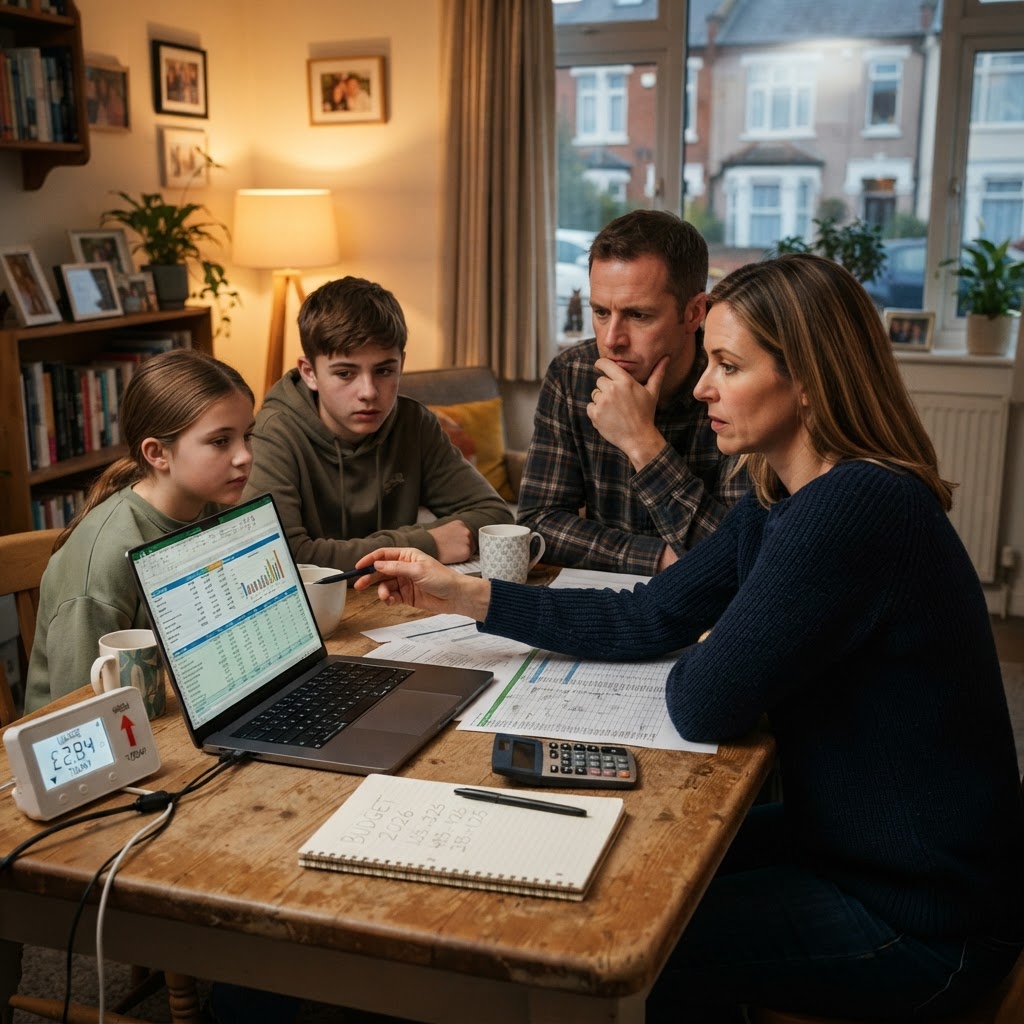
What the October 2026 Energy Policy Changes Mean for Your Household Budget
New government announcements are set to alter how we pay for gas and electricity. Here is a breakdown of what the recent policy shifts mean for your monthly bills.

How to check if your energy supplier is correctly applying the Price Cap
With the October 2026 energy price cap rise, many households are confused about their bills. Here is how to verify if your supplier is charging you within the legal limits.
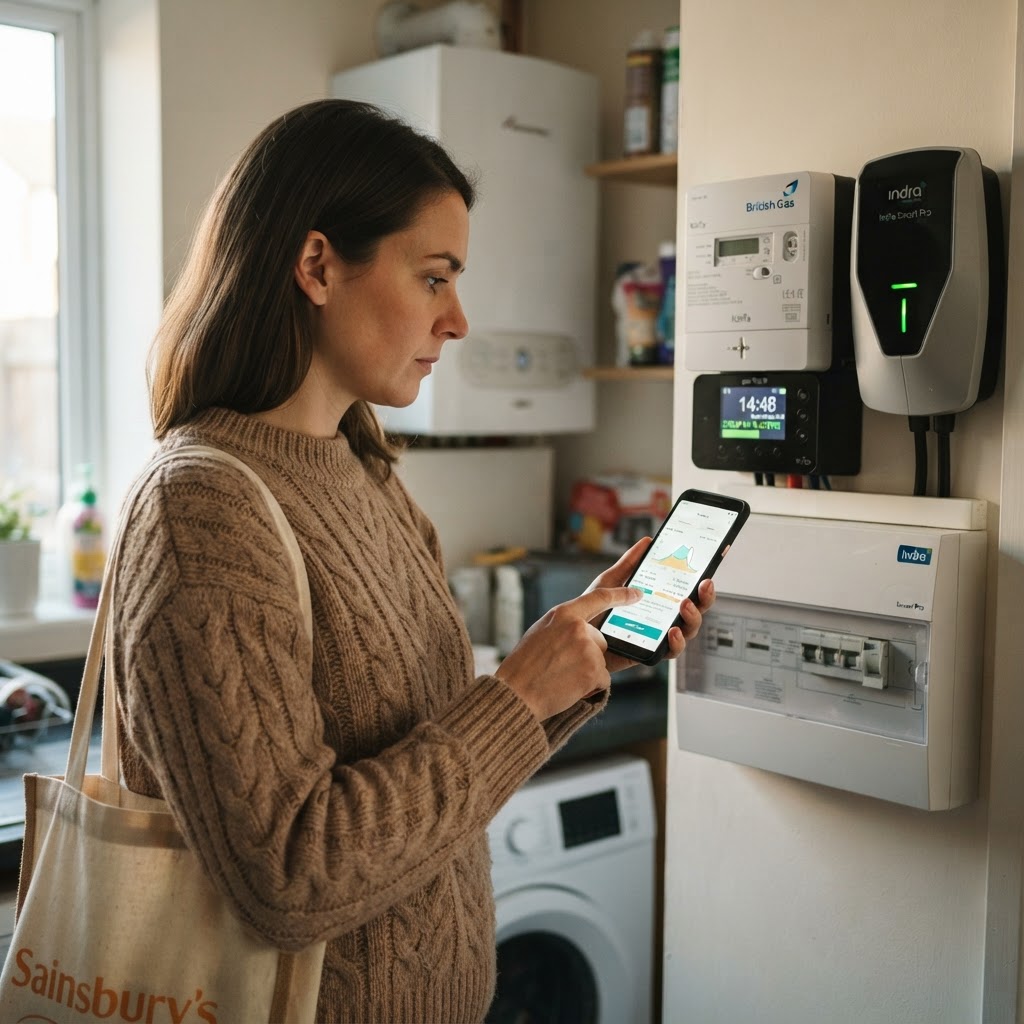
How to switch to a time-of-use energy tariff in the UK
Moving to a time-of-use tariff could significantly lower your annual bills if you can shift your major energy usage to off-peak hours.