Understanding Your Energy Bill: How to Spot Overcharges and Save Money in 2026
Energy bills can be confusing, often leading to households paying more than necessary. This guide will help you identify common overcharges and how to address them to save money.

Grasping Your Energy Bill Layout
Understanding your energy bill is vital. It typically includes a breakdown of your consumption, rates, and any standing charges. The standing charge is a fixed daily fee you pay to your energy supplier regardless of usage. For many households, this is where discrepancies often appear.
To make sense of your bill:
- Identify your tariff: Most energy providers offer dual-fuel plans (electricity + gas), but the rates can differ significantly between providers. Check if you’re on a standard variable rate, which is usually higher than fixed rates.
- Check consumption levels: Your bill may state the amount of energy used over the billing period in kilowatt-hours (kWh). Compare this to past bills to see if there are any surprising peaks in usage.
Common Overcharges
Energy overcharges occur more frequently than you might think. Here are some common pitfalls to look out for:
- Incorrect meter readings: Always provide your supplier with your latest meter readings. If a bill estimates your usage, it might be inaccurate. To spot this, compare the supplier’s estimated usage with your own.
- Sticking with your supplier post-tariff end: If you're on a fixed tariff that ends, your provider may switch you to a much higher variable rate. Revisit your options before the end of your fixed term.
- Inefficient appliances: Outdated appliances can lead to huge energy wastages. For instance, an old fridge might consume 70% more energy than a new energy-efficient model.
How to Challenge Charges
If you suspect that you’re being overcharged on your energy bill, here are steps you can take:
- Contact your energy provider: If your estimated usage seems unreasonable, get in touch. Have your meter readings handy; it’s your most reliable evidence.
- Use Ofgem's energy price comparison tool: This can help you check if you’re on the best tariff. If not, consider switching. Websites like MoneySavingExpert also offer independent comparisons to help you choose the most economical option.
- File a complaint: If your provider does not respond satisfactorily, you can escalate the complaint to the Energy Ombudsman.
Consider Energy-Building Improvements
Sometimes, the best savings aren't just administrative. Investing in energy efficiency can lead to substantial long-term savings:
- Insulation upgrades: Adding insulation can reduce heating costs significantly. According to the Energy Saving Trust, you might save around £250 annually just by improving your loft insulation.
- Smart thermostats: Installing these devices can reduce your energy bills by an average of £70 a year, allowing you to control your home’s heating remotely.
- Switch to LED lighting: LEDs use about 75% less energy than traditional incandescent bulbs, potentially saving you over £300 regarding lighting over their lifespan.
Potential Savings: Realistic Figures
By making just a few changes—like challenging your bill, comparing tariffs, and upgrading appliances—you can realistically save around £300 to £500 annually. Here’s the breakdown:
- £70 from switching to a better tariff or fixing inaccuracies in your readings.
- £250 from making energy efficiency improvements in your home.
Regularly scrutinizing your energy bill and consuming wisely will empower you to combat overcharging, enhance your home's efficiency, and ultimately reduce costs.
For further personalized advice, consider reaching out to organisations like Citizens Advice or exploring their energy resources online. They're equipped to guide you through the complexity of energy billing and help you find potential savings.
Consumer power is at your fingertips—know your energy consumption, challenge any discrepancies, and make strides towards a more financially efficient household.
One email. Every Sunday. The tips that actually save UK households money.
More on household
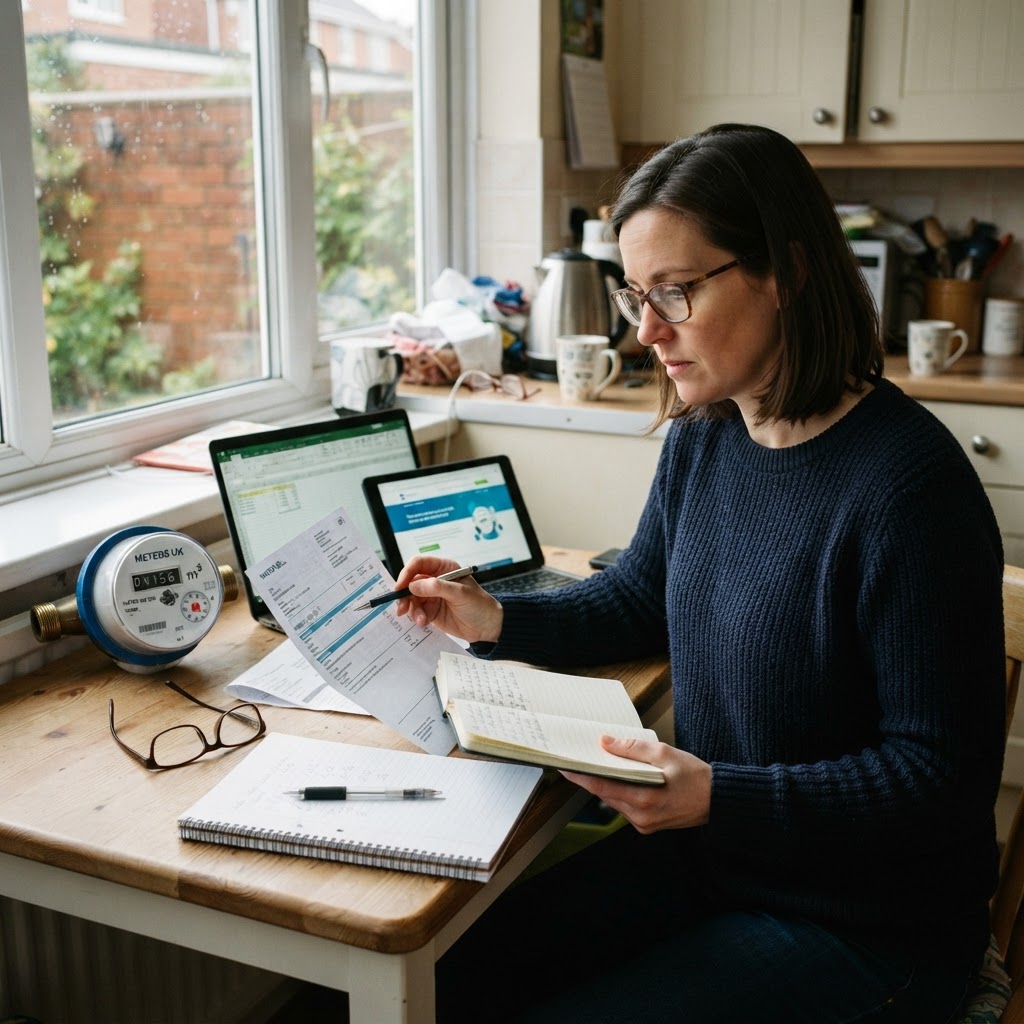
How to legally dispute incorrect water meter readings in the UK
If your water bill has spiked unexpectedly, your meter could be recording usage incorrectly. Here is how to investigate the issue and claim a refund.
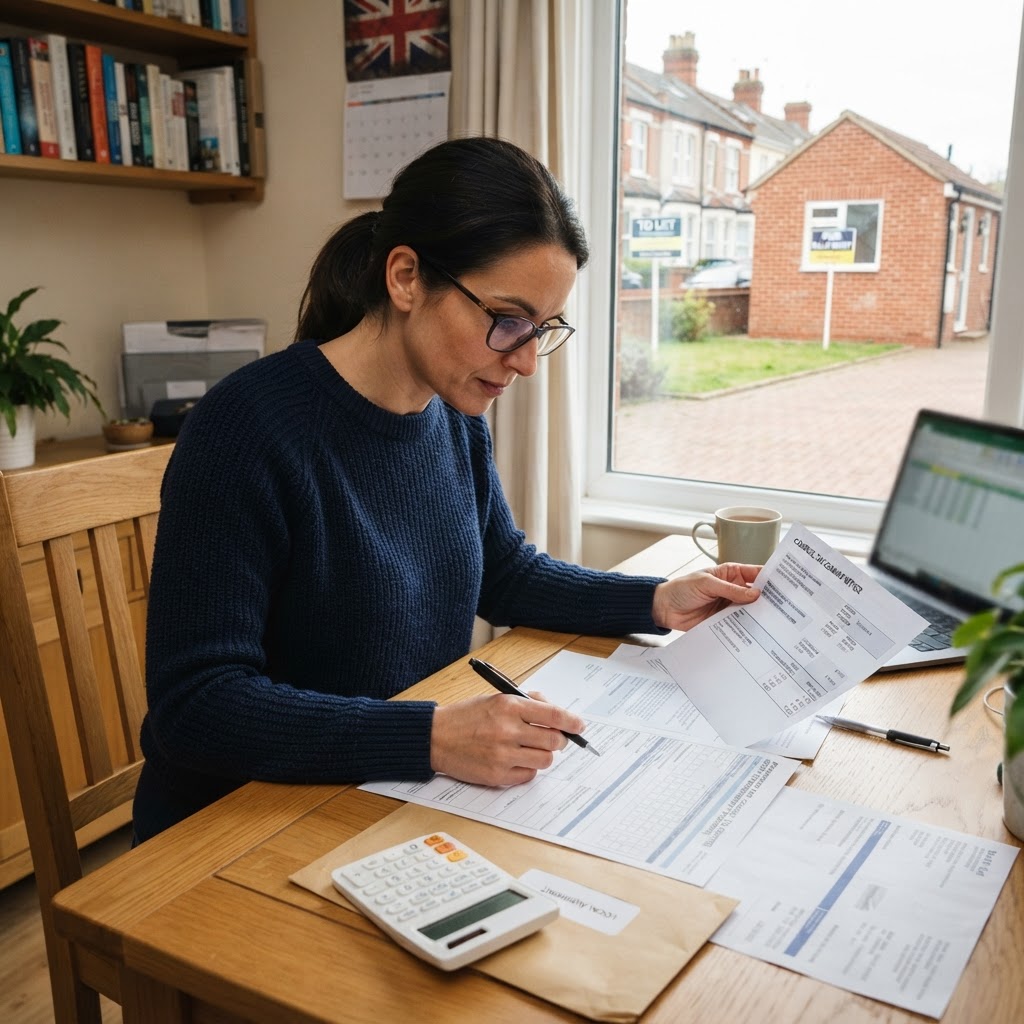
How to reclaim overpaid council tax for empty or annex properties in the UK
Many UK households are unknowingly paying full council tax on properties that qualify for exemptions or discounts. Learn how to verify your liability and claim back what you are owed.
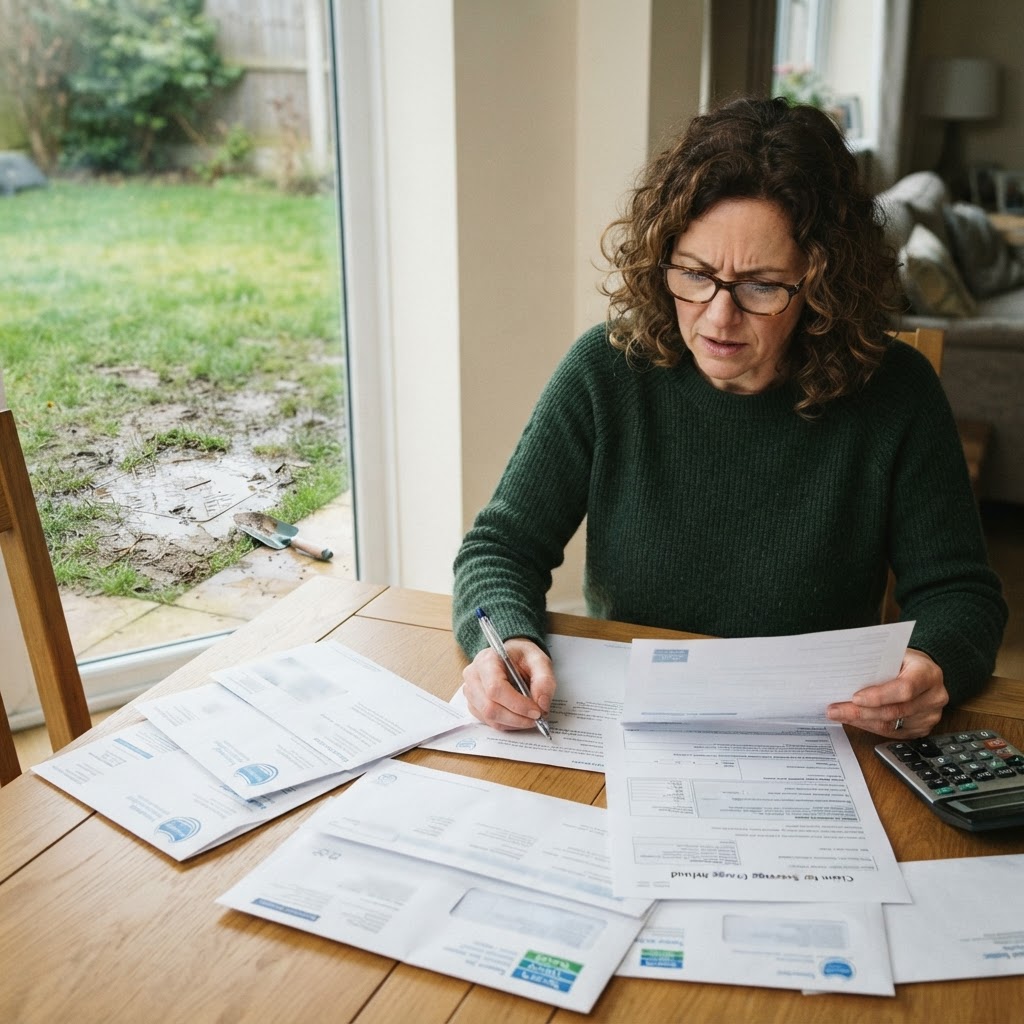
How to reclaim overpaid water bills in the UK due to sewer leakage
Many households are paying for water they don't use due to internal leaks. Discover how to identify a leak and claim back money from your water provider.