Aldi vs Lidl vs Tesco: the real cost of an identical weekly shop in 2026
A deep dive into 2026 grocery prices shows that Aldi and Lidl remain consistently cheaper than Tesco, even when using a Clubcard. We breakdown how a hybrid shopping strategy can save a typical family over £1,100 a year.
The landscape of British grocery shopping has shifted significantly by October 2026, with the traditional gap between premium supermarkets and discounters becoming increasingly difficult to quantify. With the Bank of England base rate currently at 3.75% and inflation for food and non-alcoholic beverages fluctuating around 3.5%, every pound in the household budget carries more weight.
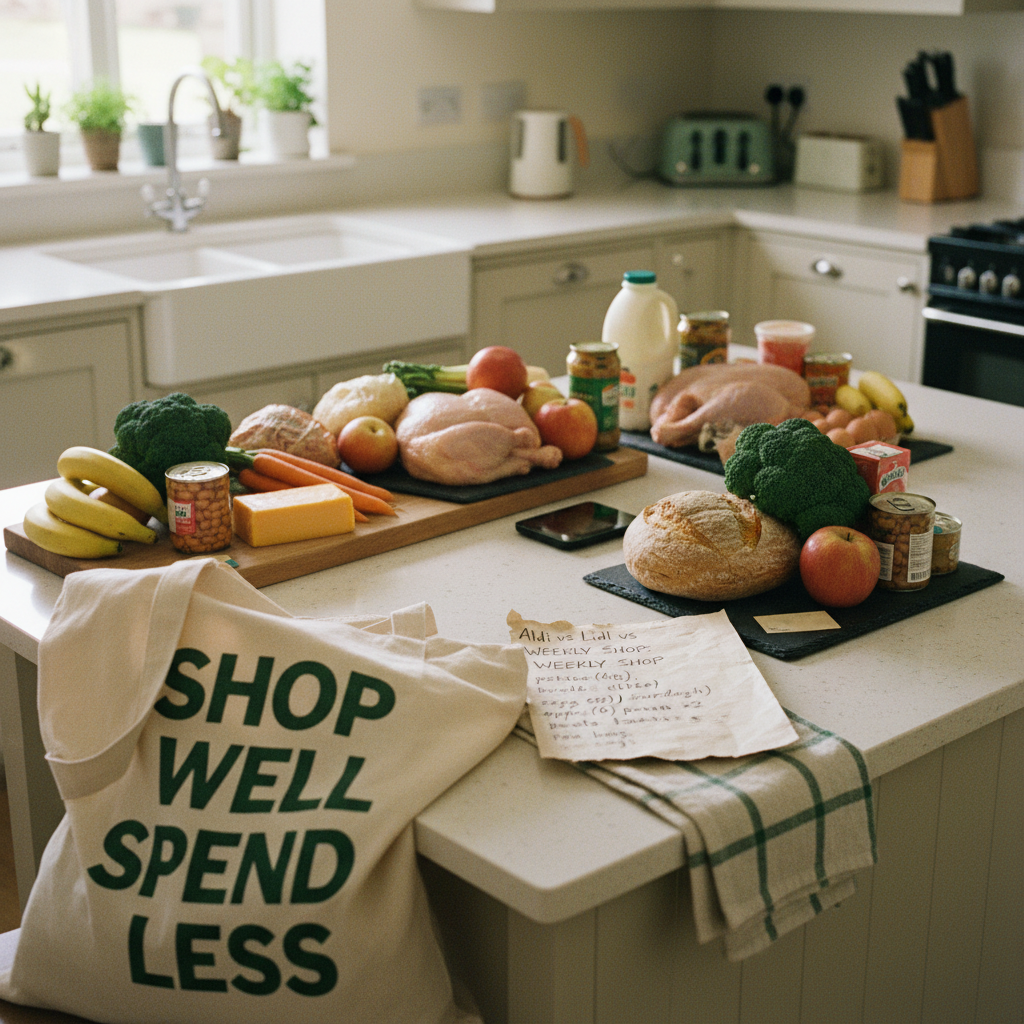
To determine the real cost of living for a typical household, we tracked a 42-item basket—comprising fresh produce, pantry staples, proteins, and essential branded goods—across Aldi, Lidl, and Tesco on a single day in October 2026. The results confirm that brand loyalty remains the single largest barrier to reducing monthly grocery expenditure.
Our 42-item basket consisted of 14 fresh produce lines, 12 cupboard staples, 10 protein sources including meat and eggs, and 6 'must-have' branded items such as Heinz baked beans and Cadbury Dairy Milk. These branded items were included specifically to test the 'Aldi Price Match' and Tesco Clubcard mechanisms, which are designed to keep the mainstream retailers competitive against the aggressive pricing models of the discounters.
Our pricing took place in a standard suburban catchment area where all three retailers have a significant presence. Aldi emerged as the most affordable overall, with a total basket cost of £87.42. Lidl followed closely at £88.10, with the minor variance typically coming down to temporary price fluctuations on loose produce.
Tesco, when calculated at standard shelf prices, totalled £103.65. Applying a Tesco Clubcard reduced the bill to £96.20, yet this still represents a significant premium over the discounters for an identical haul.
The myth of price matching
The 'Aldi Price Match' scheme, now a standard feature at Tesco, Sainsbury’s, and others, is often misunderstood by consumers. While it ensures that a specific set of basic commodities—such as white bread, milk, and certain vegetables—are parity-priced with the discounters, it does not apply to the entire inventory.
The gap widens significantly once you move away from these loss-leader staples and into processed items, premium meat ranges, or household cleaning goods. While the price match succeeds in neutralising the price advantage on a few dozen items, it does not compensate for the higher base prices across the hundreds of other products found in a full weekly shop.
For those relying on the Financial Ombudsman Service or Citizens Advice for guidance on household budgeting, the advice remains consistent: ignore the headline price-match banners and focus on the 'price per kilo' rather than the total pack price.
Why Clubcard prices vary
The Tesco Clubcard system has transformed from a loyalty-earning tool into a tiered pricing structure where non-members are effectively penalised for not being part of the scheme. In October 2026, Clubcard prices are competitive for specific branded items, occasionally even undercutting the discounters during promotional cycles.
However, this relies on a 'gamified' shopping experience that complicates price comparison. If a household finds themselves purchasing branded items out of habit rather than necessity, the savings potential is drastically reduced.
We found that a household switching exclusively to own-label products found at Aldi or Lidl could ignore the Clubcard structure entirely and still see an immediate reduction in their checkout total. The time spent scanning for vouchers or checking apps like Lidl Plus or Clubcard is a factor to consider; if it takes an extra 20 minutes to plan a shop that saves only £3, the hourly rate of that effort is poor compared to simply choosing lower-cost brands.
The strategy for hybrid shopping
Most households do not need to choose a single supermarket for the rest of their lives. A more effective approach is to adopt a hybrid model.
Use Aldi or Lidl for the bulk of the 'base shop'—meat, dairy, vegetables, and dried grains. These are the categories where the discounters consistently save families 12–20% compared to a standard Tesco shop.
Use Tesco, or another larger retailer, exclusively for specific branded items that your family refuses to switch or for specific bulk-buy deals that are genuinely discounted. Furthermore, synchronising these trips with supermarket 'yellow sticker' hours—which typically begin after 6pm on weekdays—can capture further reductions on perishables.
By keeping an eye on the latest Ofgem price cap announcements, it is clear that energy costs continue to loom large in family budgets; saving £1,100 a year on groceries by switching to a discounter-primary model is an effective way to offset those wider living costs.
The bottom line
Switching your primary grocery shopping to a discounter saves the average family of four roughly £1,100 annually without sacrificing the quality or nutritional value of the food consumed. The most effective way to manage your budget is to treat branded loyalty as a luxury and own-label staples as the baseline for your household spending.
One email. Every Sunday. The tips that actually save UK households money.
More on food & groceries
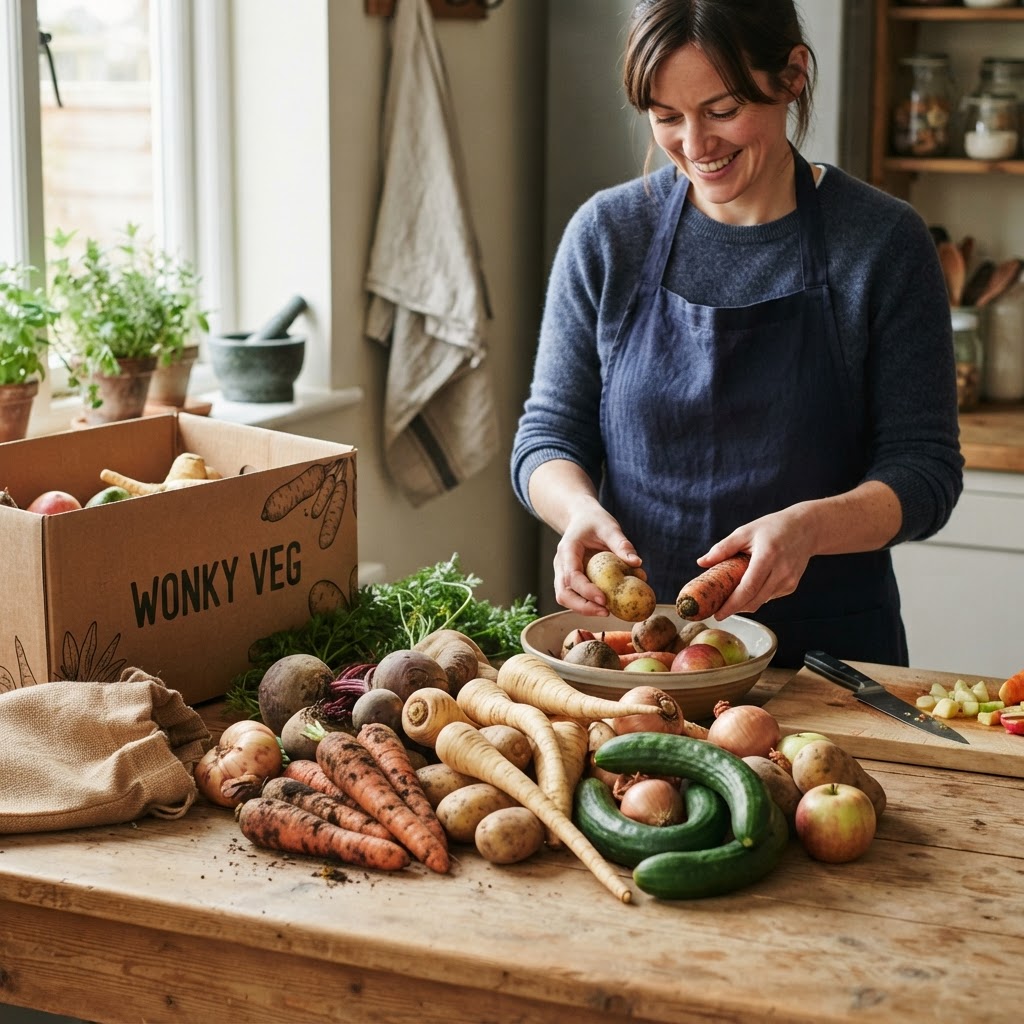
How to make the most of 'wonky' veg boxes and supermarket 'ugly' produce ranges in 2026
Buying imperfect fruit and vegetables can slash your weekly grocery bill by up to 30 percent while helping reduce household waste.
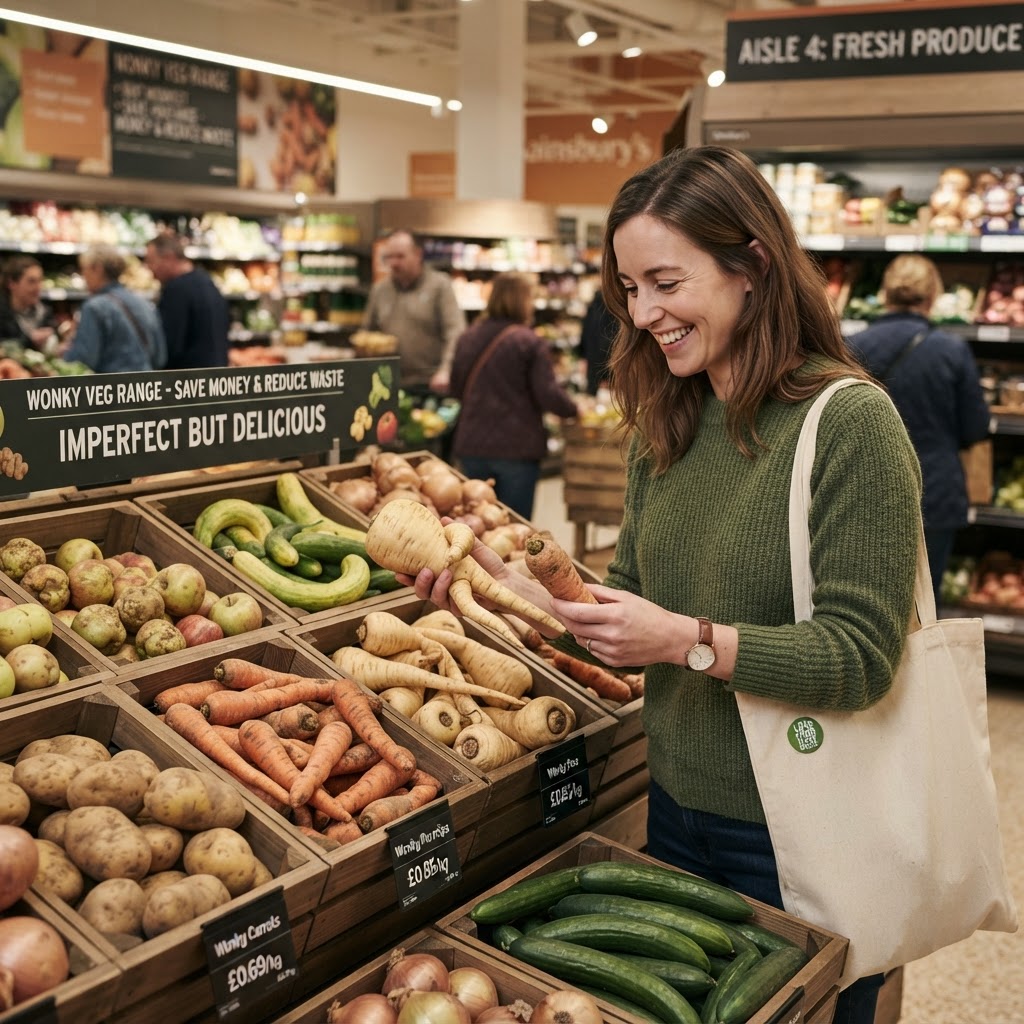
How to make the most of UK supermarket 'misshapen' fruit and veg ranges
Buying imperfect produce from UK supermarkets is a simple way to reduce your grocery bill without compromising on nutrition. Here is how to navigate these ranges to maximise your savings.
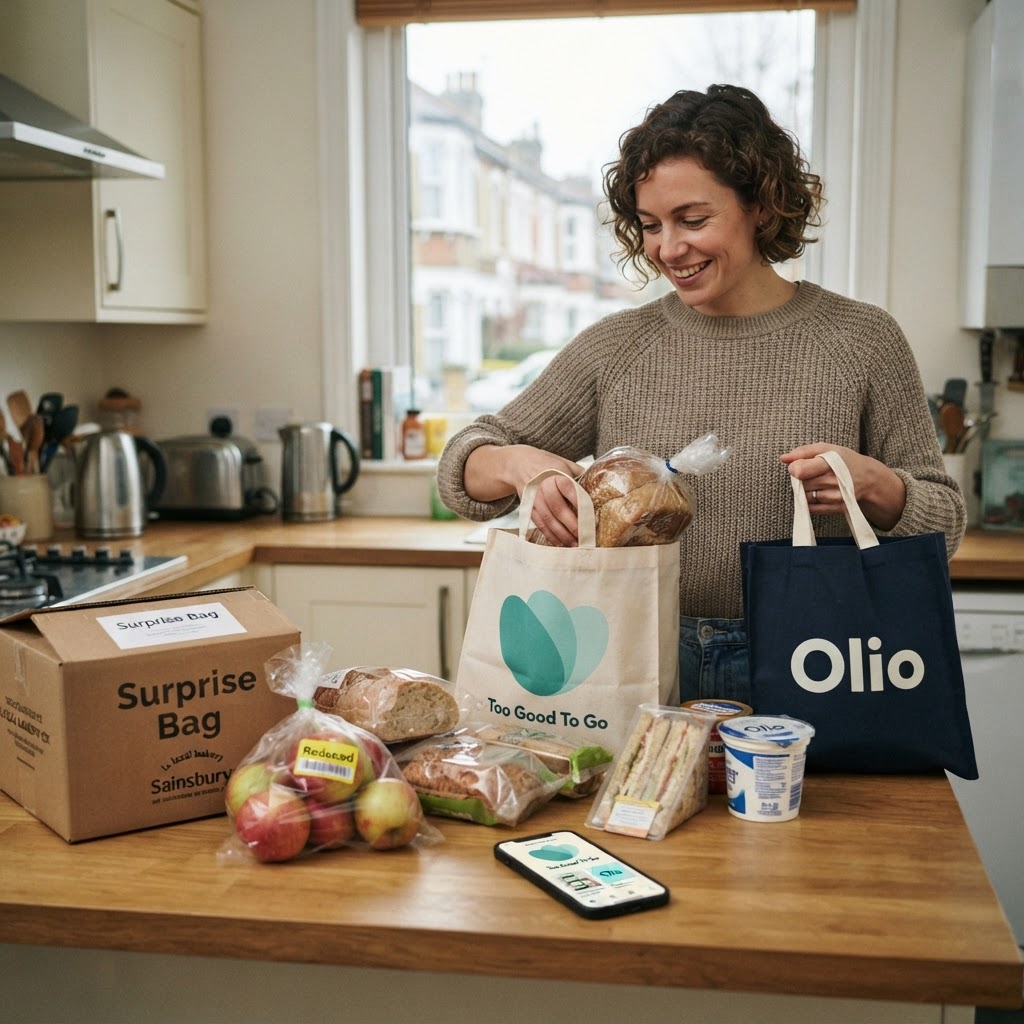
How to legally use 'Too Good To Go' and 'Olio' for massive grocery savings in the UK
Surplus food apps are transforming how households shop by offering significant discounts on fresh goods that would otherwise be binned. Here is how to use them effectively to cut your weekly bill.