How to make the most of 'wonky' veg boxes and supermarket 'ugly' produce ranges in 2026
Buying imperfect fruit and vegetables can slash your weekly grocery bill by up to 30 percent while helping reduce household waste.
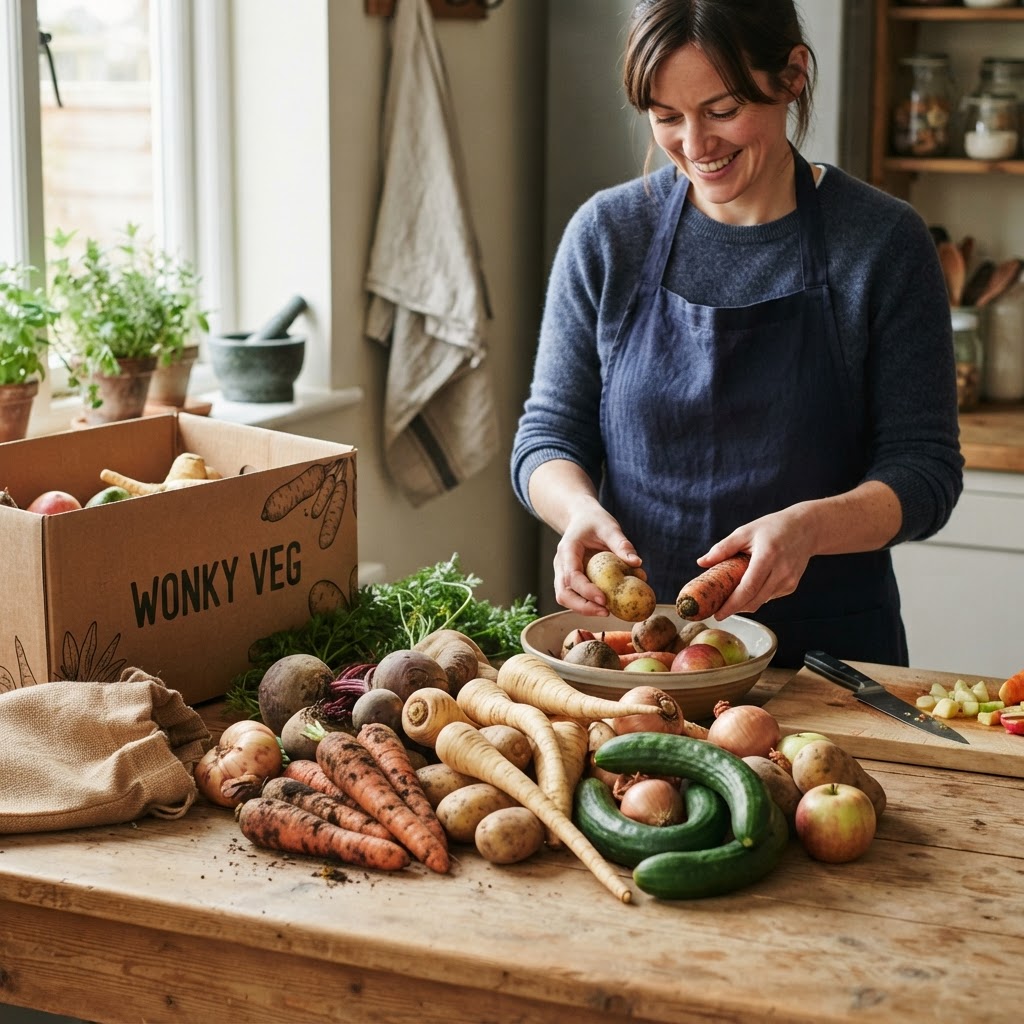
For many households, the weekly grocery shop is the most significant flexible cost in the monthly budget. With food price inflation remaining a constant pressure in 2026, finding ways to trim the bill without sacrificing quality is essential. One of the most effective strategies involves moving away from the aesthetic perfection demanded by standard supermarket displays and embracing 'wonky', 'imperfect', or 'ugly' produce lines. These items are nutritionally identical to their flawless counterparts but are often sold at a significant discount because they fail to meet strict shape or size criteria set by retailers. Whether it is a slightly curved cucumber, a carrot with a fork in its root, or an apple with a skin blemish, these products are perfectly edible and often represent the best value in the produce aisle.
Understanding the value of wonky produce
Most major UK supermarkets, including Tesco, Sainsbury's, Morrisons, and Asda, now stock dedicated ranges for misshapen fruit and vegetables. These lines are typically priced 15 to 30 percent lower than premium alternatives. The logic is simple: supermarkets have historically discarded thousands of tonnes of edible produce simply because it did not look 'right' on a shelf. By bagging these items up or placing them in loose bins, retailers can capture value from produce that would otherwise end up as waste. When you buy these items, you are effectively paying less for the exact same nutrient profile and cooking utility as the more expensive versions. If you are preparing stews, soups, or roasted vegetable dishes, the shape of the ingredient is irrelevant once it is chopped, meaning you lose nothing in the final result.
Direct-to-consumer veg boxes
Beyond the supermarket aisle, independent veg box schemes have seen a resurgence. Services such as Oddbox and various local organic farms now specialise in 'rescued' produce. These subscription boxes deliver seasonal, surplus, or imperfect fruits and vegetables directly to your door. The benefit here is twofold: you receive a wider variety of produce than you might usually buy, which can encourage more diverse cooking, and you often get a higher volume of goods for your money compared to high-street prices. Check the delivery radius for local growers in your area, as buying direct removes the middleman and keeps more money in your pocket while supporting local agriculture. Always compare the weight-based price of these boxes against your usual weekly spend to ensure the savings add up.
Practical tips for long-term savings
To make these savings stick, your shopping habits need to shift from 'planned recipes' to 'ingredient-led' cooking. If you buy a bag of wonky carrots, have a plan to use them within a few days or be ready to process them immediately. Grating and freezing, turning them into batches of soup, or quick-pickling are all ways to extend the life of these purchases. Treat these items as the foundation of your meals rather than an afterthought. If you find yourself with an excess of perishable wonky produce, do not let it sit in the bottom of the fridge until it turns; a quick blanch and freeze cycle can preserve the quality of vegetables like broccoli or peppers for months, ensuring you get the full value of your purchase throughout the winter.
One email. Every Sunday. The tips that actually save UK households money.
More on food & groceries
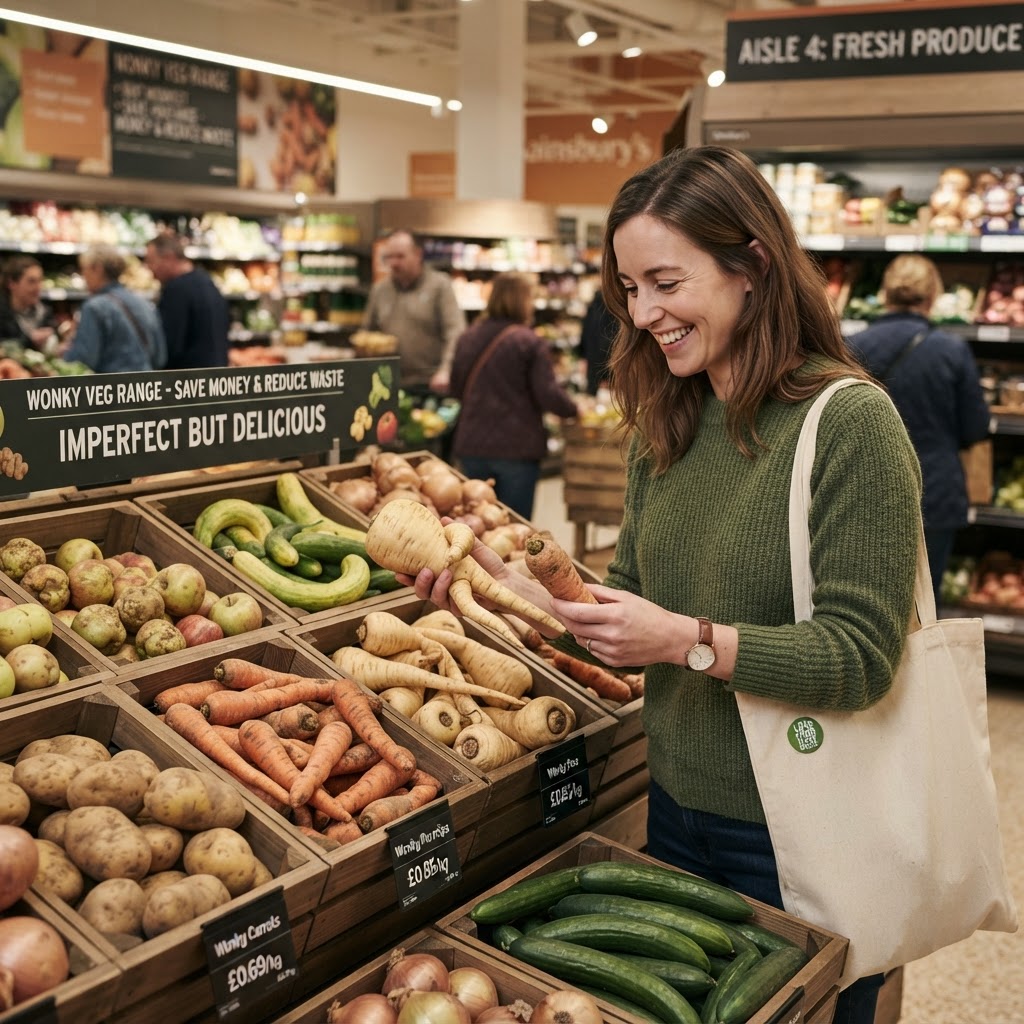
How to make the most of UK supermarket 'misshapen' fruit and veg ranges
Buying imperfect produce from UK supermarkets is a simple way to reduce your grocery bill without compromising on nutrition. Here is how to navigate these ranges to maximise your savings.
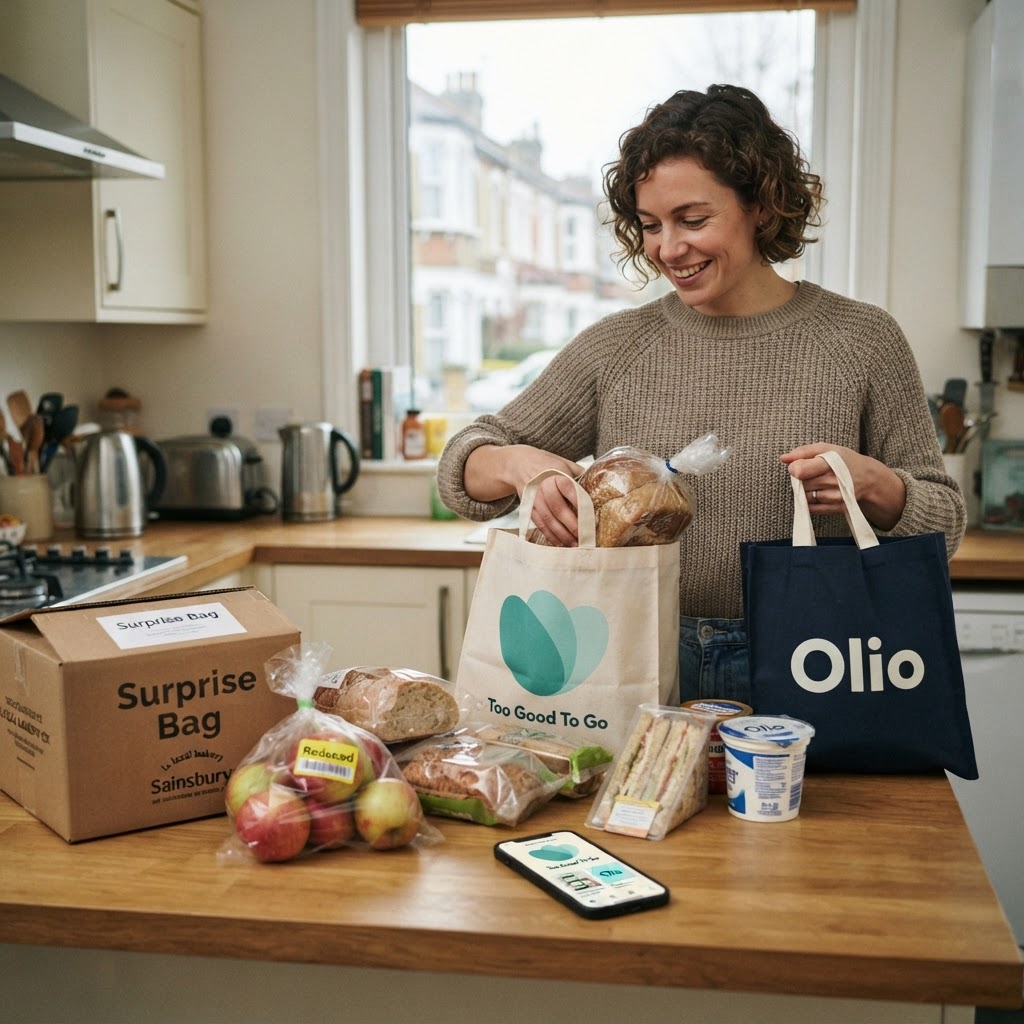
How to legally use 'Too Good To Go' and 'Olio' for massive grocery savings in the UK
Surplus food apps are transforming how households shop by offering significant discounts on fresh goods that would otherwise be binned. Here is how to use them effectively to cut your weekly bill.
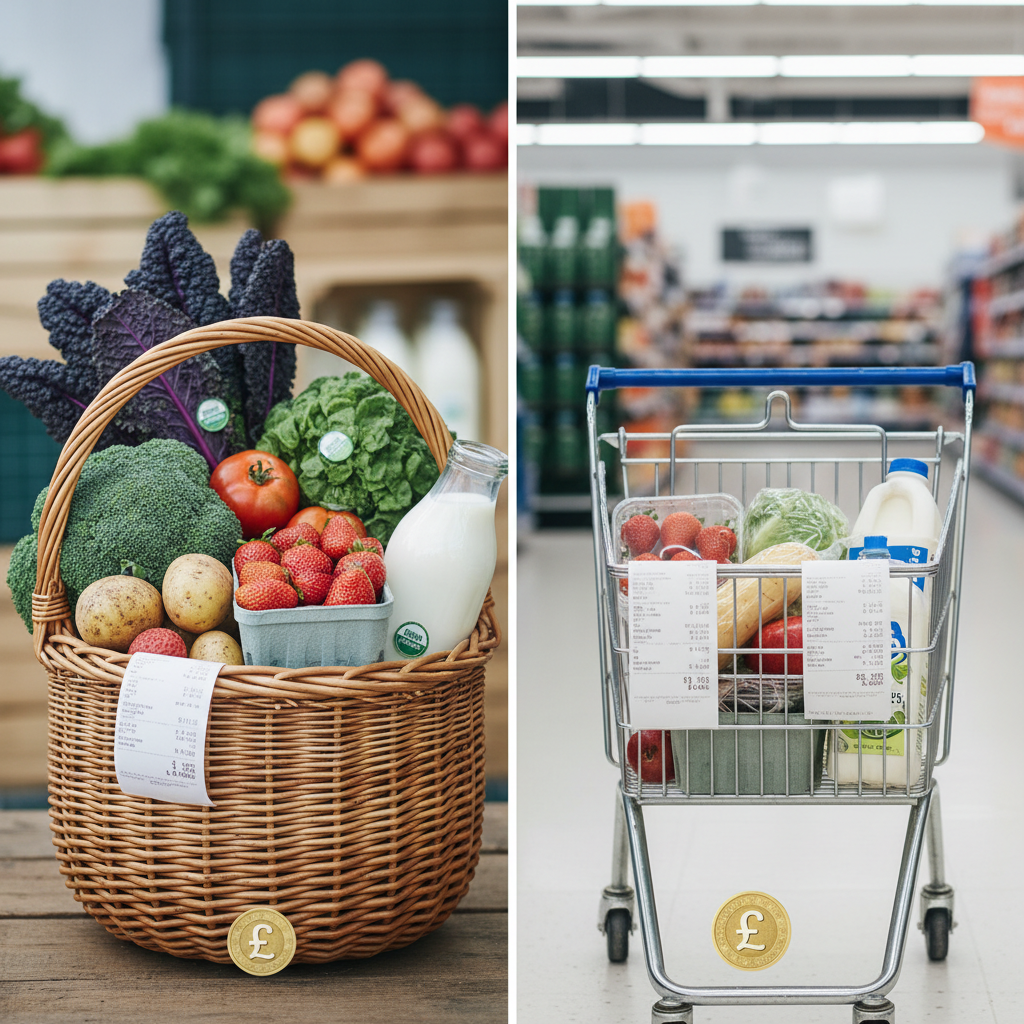
Understanding the Cost of Organic Foods in the UK: Are They Worth It?
Organic food can be more expensive than conventional options, but understanding the reasons behind the pricing can help you make informed decisions and potentially save money.