
How to make the most of UK supermarket 'misshapen' fruit and veg ranges
Buying imperfect produce from UK supermarkets is a simple way to reduce your grocery bill without compromising on nutrition. Here is how to navigate these ranges to maximise your savings.
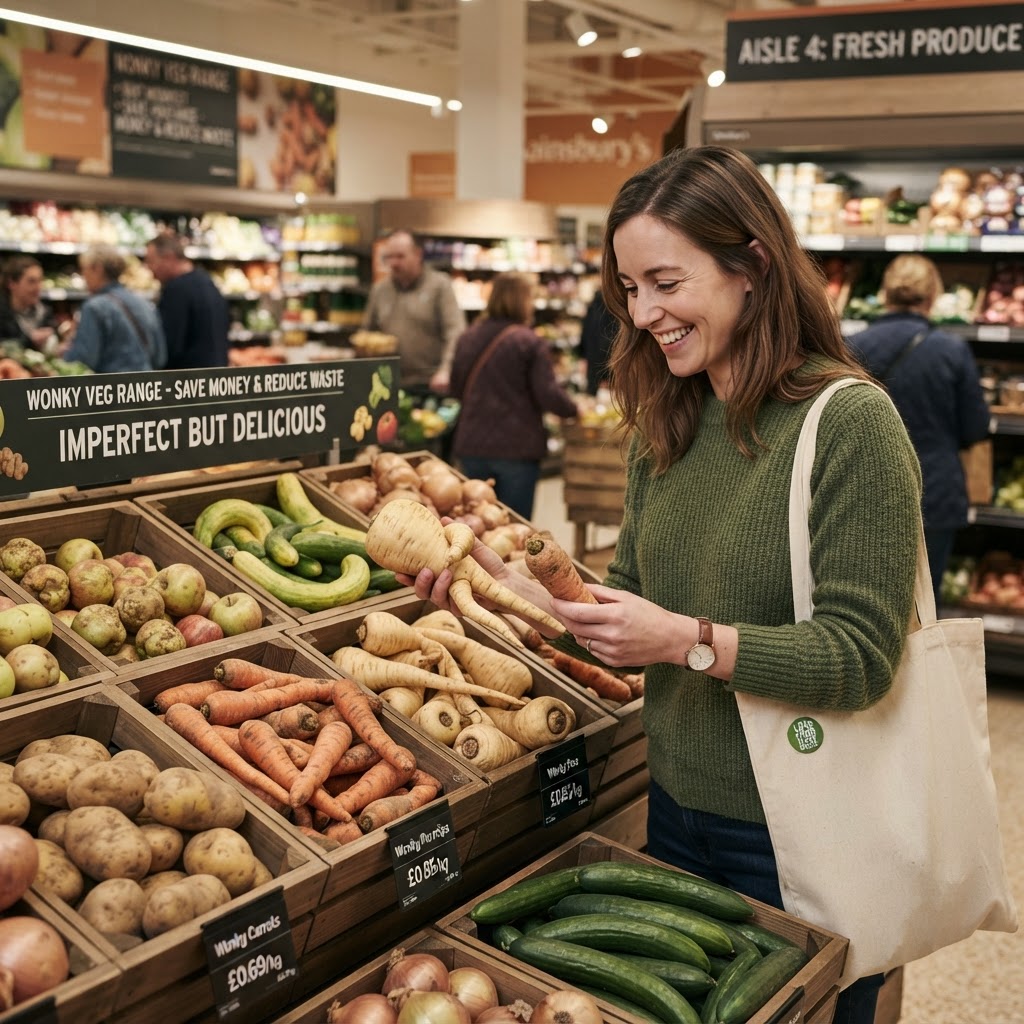
The shift toward imperfect produce
For years, UK supermarkets enforced strict cosmetic standards for fresh produce. Anything slightly curved, undersized, or blemished was routinely rejected by growers, often leading to significant food waste. However, over the past few seasons, retailers have recognised that shoppers are increasingly prioritising value over aesthetics. Most major supermarkets now offer 'wonky' or 'imperfect' ranges, often priced 20% to 30% lower than their premium counterparts.
While these items might not look like the perfect specimens used in advertising, their nutritional content is identical. A slightly misshapen carrot tastes exactly the same as a perfectly straight one once it is peeled, chopped, or roasted. By intentionally looking for these ranges, you can bring down your weekly spend significantly without needing to cut your portion sizes or change your dietary habits.
Where to find the best value
Not all imperfect ranges are created equal, and price points shift week to week. Shops like Aldi and Lidl have long-established 'Pick of the Week' or budget-friendly veg boxes, which often feature seasonal produce that might be slightly marked. Tesco’s 'Perfectly Imperfect' range and Morrisons' 'Wonky' selection are widely available and include staples like potatoes, onions, and peppers.
To make this strategy work, you should check the unit price rather than the total cost of the bag. A 2kg bag of 'wonky' carrots might seem cheap, but if you only use half before they spoil, the value is diminished. The real saving comes from replacing your usual items with these budget alternatives. If you typically spend £70 a week on food, switching to imperfect produce for staple vegetables can save a family of four roughly £5 to £8 per week, accumulating to over £300 across the year.
How to store 'wonky' produce effectively
One common pitfall with imperfect produce is that it may have a slightly shorter shelf life than high-grade produce, as it might have been picked during a broader harvest window or have minor skin imperfections. To avoid this becoming food waste, your storage habits must be sharper.
Root vegetables like potatoes and parsnips should be stored in a cool, dark, and dry place. Keep them out of the plastic bags they are often sold in, as moisture leads to rapid decay. If you buy 'wonky' peppers or cucumbers, use them within the first three days of your shop. If you find you have too much, the best strategy is to prepare it immediately. Blanching vegetables and freezing them is an excellent way to lock in the savings. A bag of frozen, pre-chopped 'imperfect' onions or peppers is incredibly useful for mid-week curries or stews, saving you time and money on pre-prepared frozen alternatives.
Shopping smart, not just cheap
It is easy to fall into the trap of over-buying because the price seems low. Before you head to the store, check your fridge and pantry. If you already have a bag of potatoes, do not buy another just because the 'wonky' ones are on offer. The goal is to substitute your regular shopping list items with these cheaper alternatives, not to expand the total volume of food you buy.
Additionally, keep an eye on the transition between seasons. During the height of the British summer, these ranges are often filled with tomatoes and courgettes, while the autumn months bring a surge in root vegetables. By aligning your meal planning with what is available in these budget ranges, you turn a necessity into a deliberate cost-saving exercise. Check the labels, look for the 'imperfect' branding in the produce aisle, and calculate your savings at the checkout. It is one of the most accessible ways to trim your household outgoings.
One email. Every Sunday. The tips that actually save UK households money.
More on food & groceries
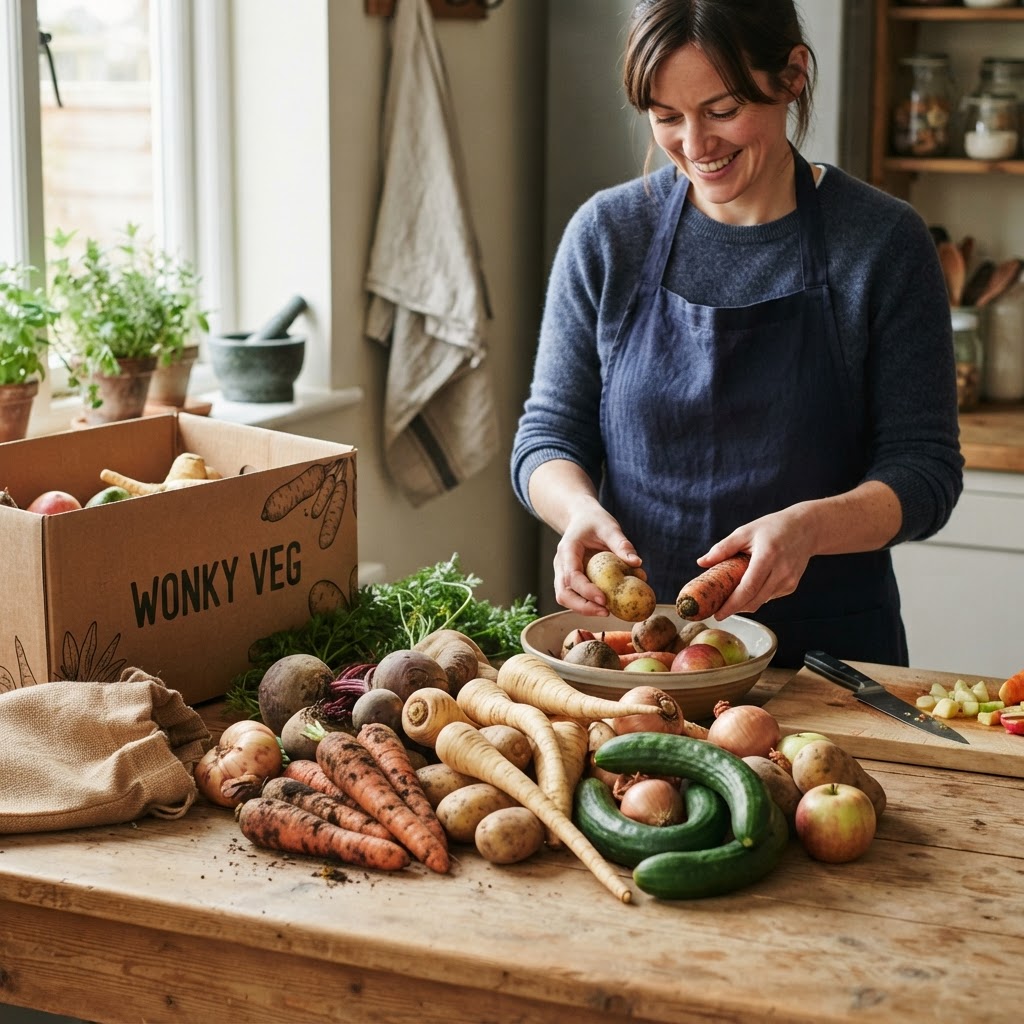
How to make the most of 'wonky' veg boxes and supermarket 'ugly' produce ranges in 2026
Buying imperfect fruit and vegetables can slash your weekly grocery bill by up to 30 percent while helping reduce household waste.
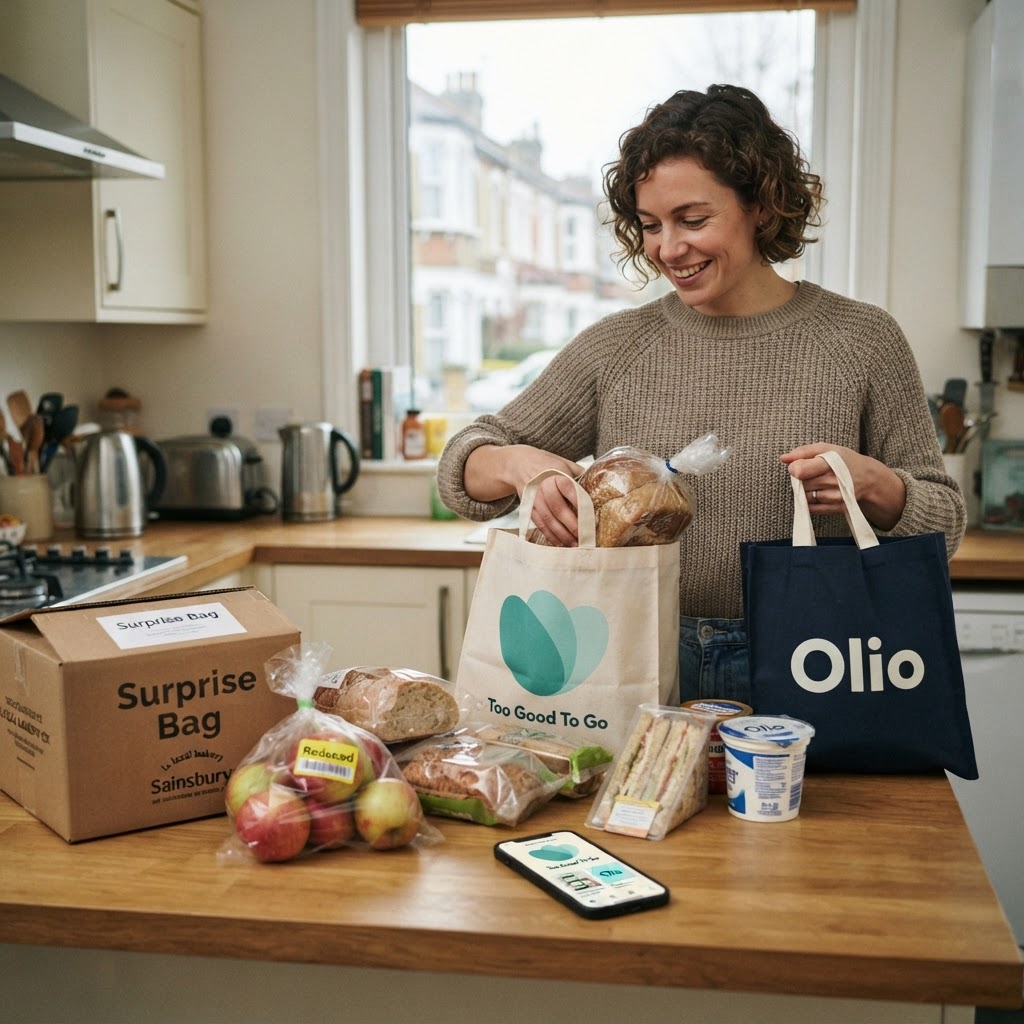
How to legally use 'Too Good To Go' and 'Olio' for massive grocery savings in the UK
Surplus food apps are transforming how households shop by offering significant discounts on fresh goods that would otherwise be binned. Here is how to use them effectively to cut your weekly bill.
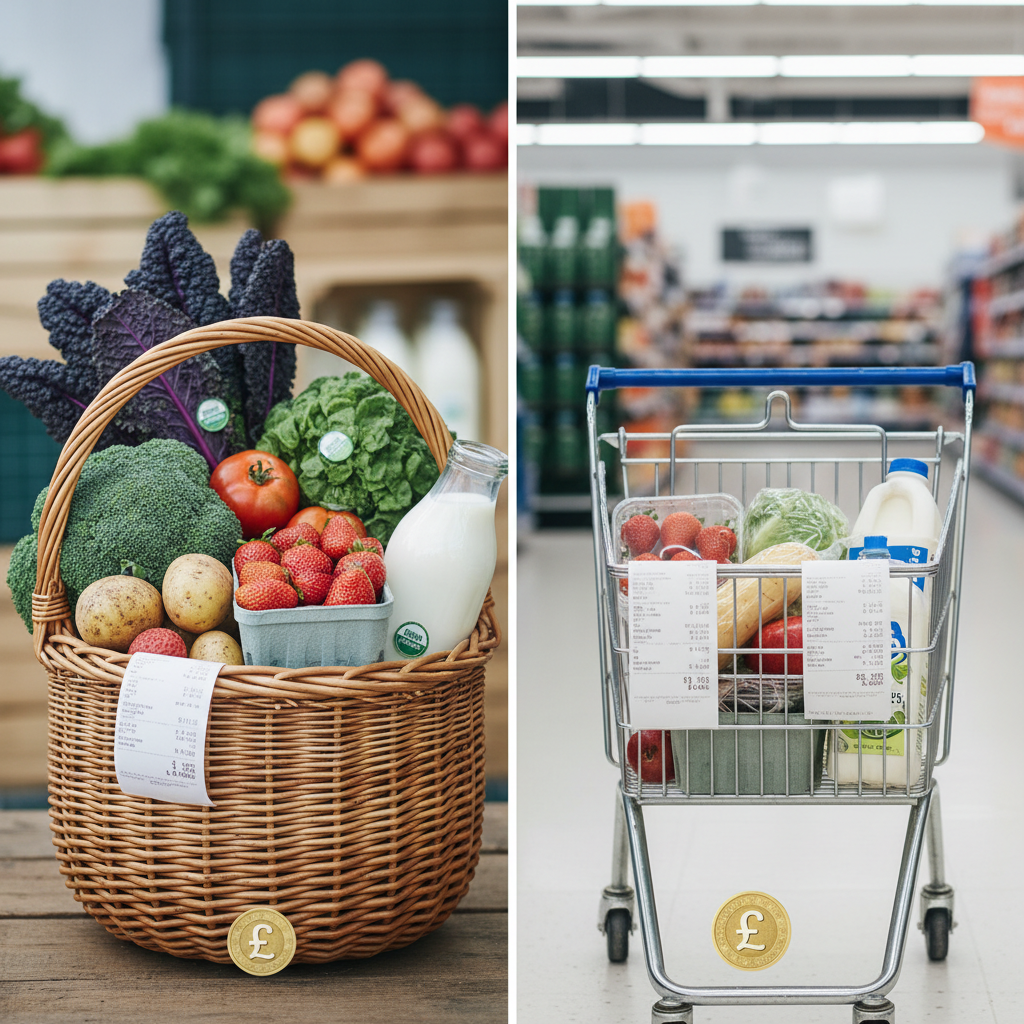
Understanding the Cost of Organic Foods in the UK: Are They Worth It?
Organic food can be more expensive than conventional options, but understanding the reasons behind the pricing can help you make informed decisions and potentially save money.