How to legally use 'Too Good To Go' and 'Olio' for massive grocery savings in the UK
Surplus food apps are transforming how households shop by offering significant discounts on fresh goods that would otherwise be binned. Here is how to use them effectively to cut your weekly bill.
The shift toward surplus food apps
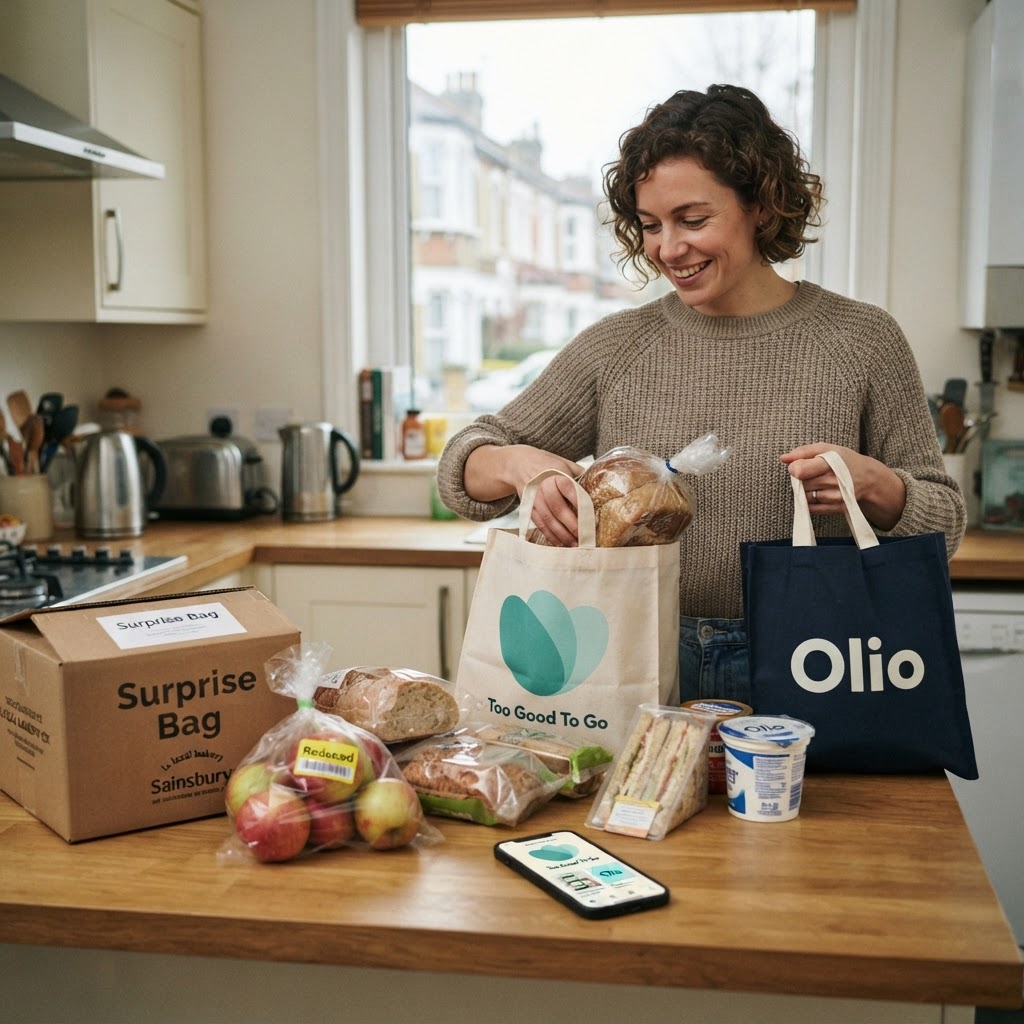
With food prices remaining high, many households are looking beyond traditional supermarkets to reduce their spending. One of the most effective, yet often overlooked, methods involves using surplus food platforms like Too Good To Go and Olio. These apps connect consumers with restaurants, cafes, and supermarkets that have excess stock nearing its sell-by date. While this might sound like dumpster diving, it is a clean, regulated, and professional way to secure high-quality groceries at a fraction of the recommended retail price.
How to master the Too Good To Go 'Magic Bag'
Too Good To Go operates on a 'Magic Bag' system. You pay a set price—usually between £3 and £5—to receive a bag of food worth roughly three times that amount. The catch is that you do not choose the specific items. To make this work for your household, you must treat these bags as ingredients rather than a set menu. If you secure a bag from a bakery or a high-end supermarket, you are likely to receive bread, pastries, or chilled ready meals. The key to saving is to integrate these into your weekly meal plan immediately. Bread can be sliced and frozen the moment you get home, while perishable produce can be turned into soups or stews. By timing your collections—often after lunch or before closing time—you can secure staples that would have cost £15 or £20 in-store for just a few pounds.
Using Olio for community-led pantry staples
While Too Good To Go is retail-focused, Olio is a peer-to-peer sharing app that allows neighbours to pass on food they no longer need. This is particularly useful for those who have accidentally over-bought during a 'buy one, get one free' deal or who are going away on holiday and need to empty their cupboards. It is entirely free. I have seen families pick up everything from bags of pasta and tins of beans to fresh herbs and unopened dairy products. The community aspect here is vital; if you are in a tight spot, keep an eye on your local listings. Because the stock is provided by individuals, it is often healthier and less processed than the random assortment found in retail bags.
Safety, etiquette, and realistic expectations
Before you dive in, remember a few ground rules. First, check the 'use by' dates immediately. 'Best before' dates are flexible, but 'use by' dates are about safety—stick to the latter strictly. Second, ensure you are reliable when collecting. If you book a slot, turn up on time. Supermarkets and small businesses rely on these apps to manage waste, and missed collections cause unnecessary administrative burden. Finally, treat this as a supplement to your shopping, not a total replacement. You cannot rely on these apps for your exact nutritional needs every single week. Use them to pick up the extras—the luxury cheeses, the extra loaves, or the surplus fruit—that inflate your receipt at the checkout. By layering these apps into your routine, you can realistically shave a significant portion off your monthly food expenditure without sacrificing the quality of your meals.
One email. Every Sunday. The tips that actually save UK households money.
More on food & groceries
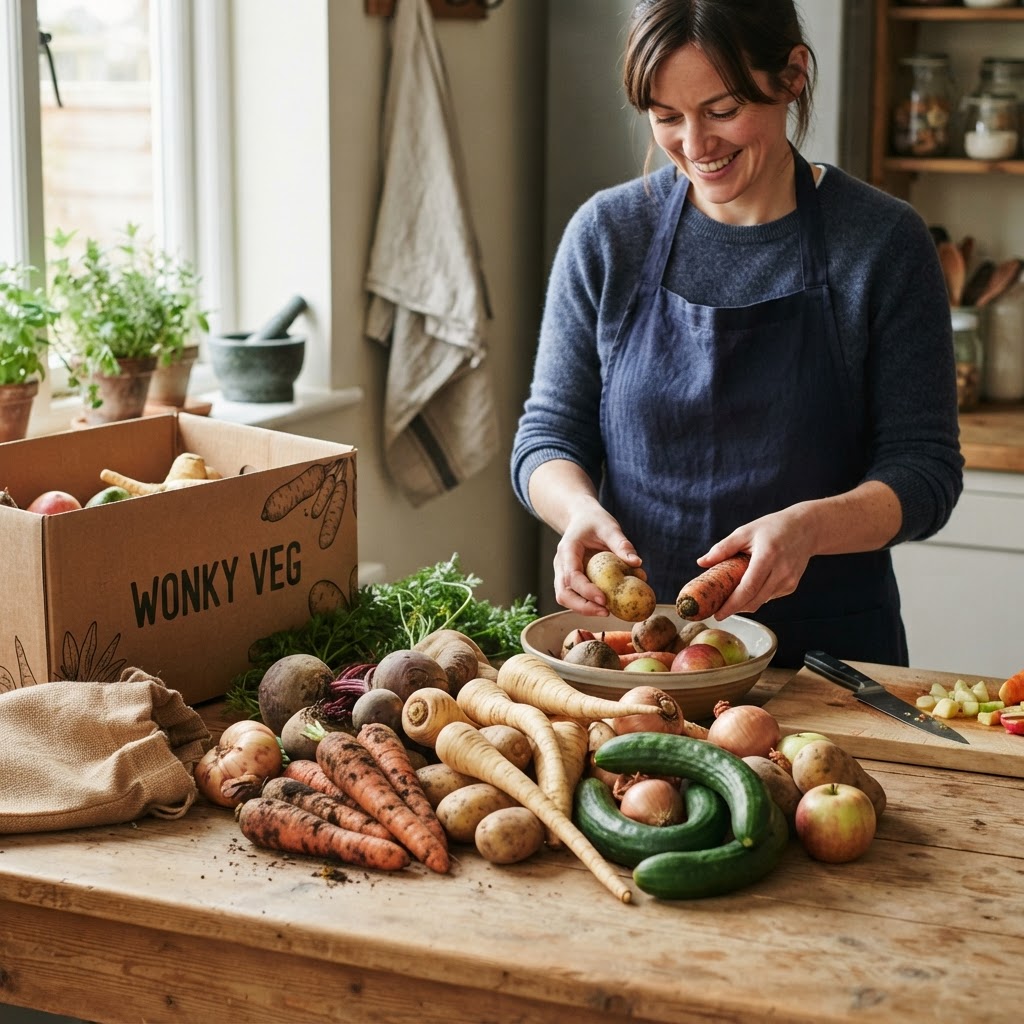
How to make the most of 'wonky' veg boxes and supermarket 'ugly' produce ranges in 2026
Buying imperfect fruit and vegetables can slash your weekly grocery bill by up to 30 percent while helping reduce household waste.
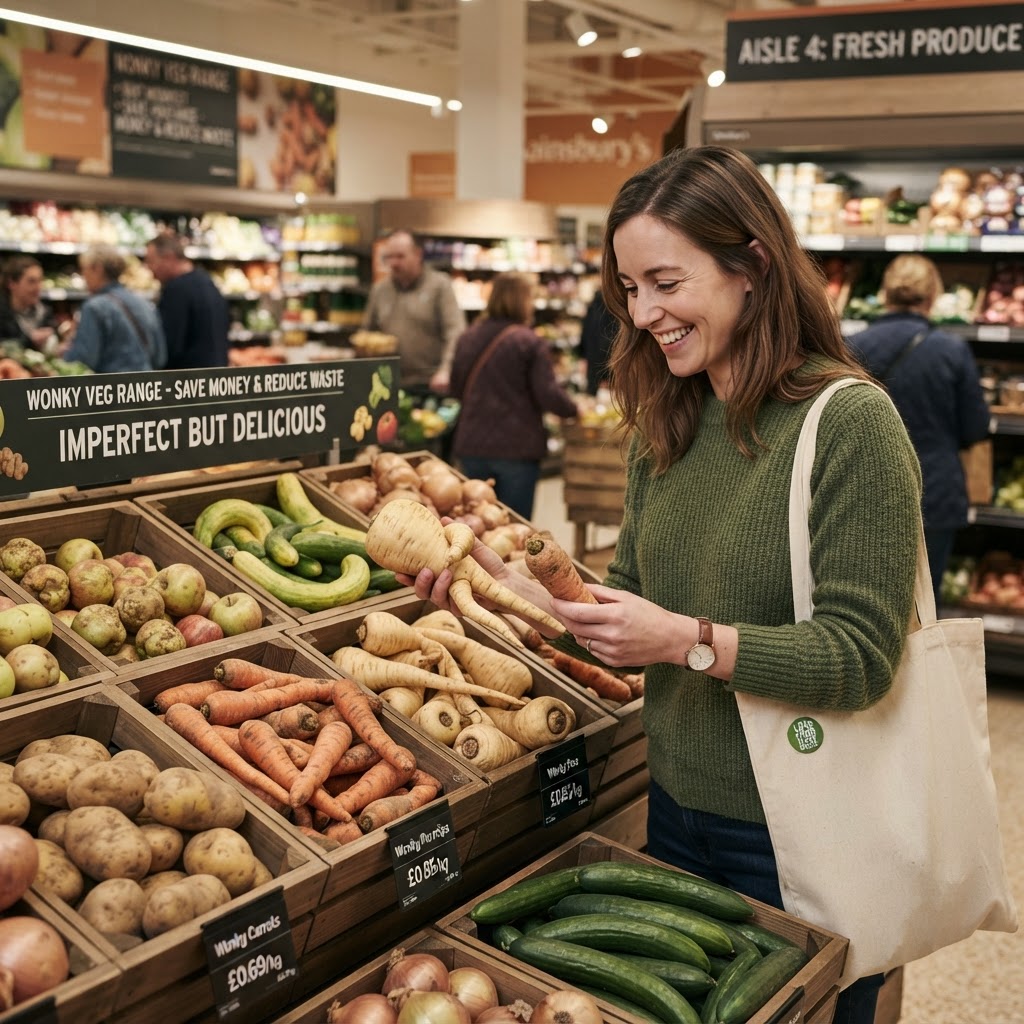
How to make the most of UK supermarket 'misshapen' fruit and veg ranges
Buying imperfect produce from UK supermarkets is a simple way to reduce your grocery bill without compromising on nutrition. Here is how to navigate these ranges to maximise your savings.
Understanding the Cost of Organic Foods in the UK: Are They Worth It?
Organic food can be more expensive than conventional options, but understanding the reasons behind the pricing can help you make informed decisions and potentially save money.