
The best cashback apps for UK grocery shopping in 2026
Grocery cashback apps have matured into reliable tools for household budgeting. This guide examines the best platforms for 2026, including Shopmium and Checkoutsmart, and explains how to integrate them with supermarket loyalty schemes to save up to £320 annually.
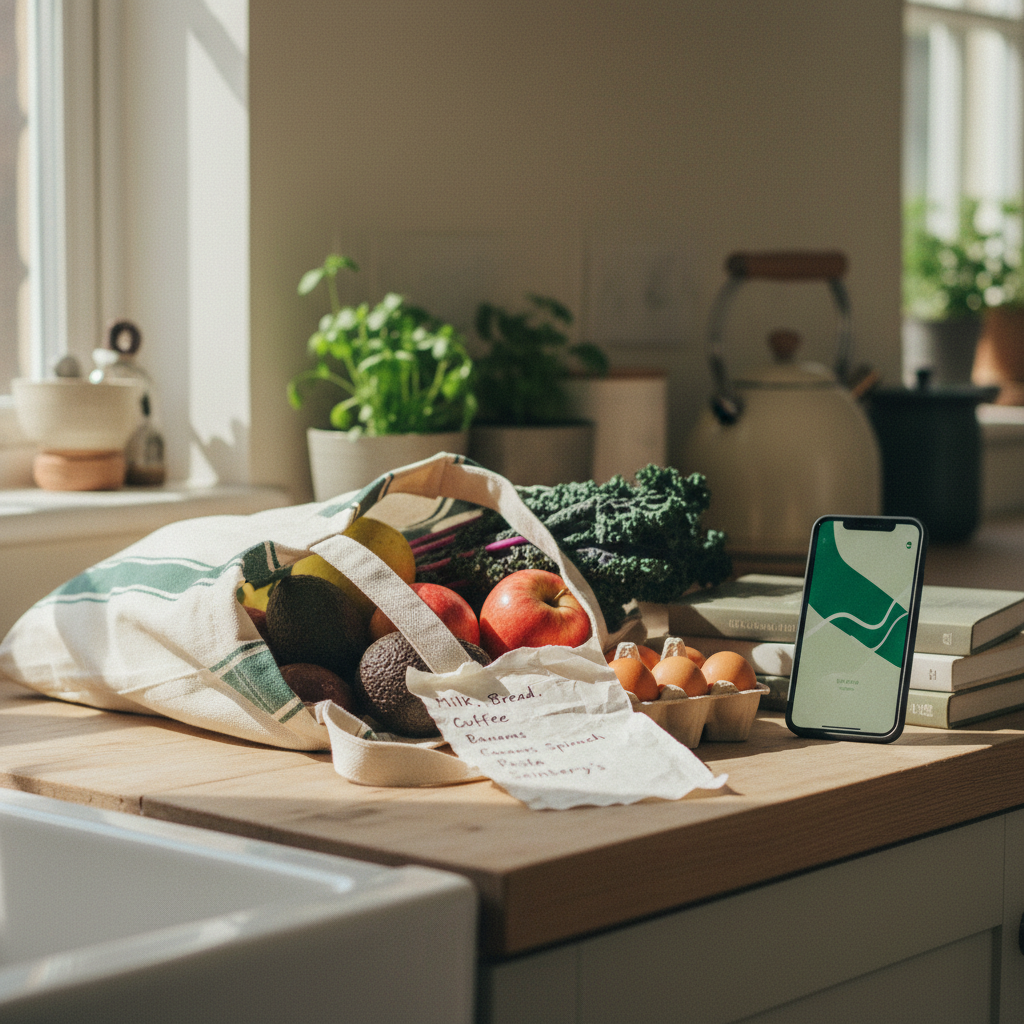
Grocery cashback apps have evolved significantly by late 2026, shifting from fragmented voucher-hunting tools to integrated rebate systems that operate with minimal administrative friction. While the high-inflation environment of 2022-2023 has stabilised, household budgets remain under sustained pressure as the cost of living fluctuates, making these modest but reliable returns an essential component of household financial planning. If you shop at major supermarkets, these apps provide a reliable mechanism to claw back a fraction of your grocery spend without requiring complex budget re-engineering.
Shopmium branded product trials
Shopmium remains the industry leader for branded product trials. The platform operates on a rebate model where you purchase a specific item, scan your receipt, and receive the cashback via PayPal or bank transfer, typically within 48 hours. Many of these offers provide 100% cashback, effectively making the item free, though these are limited to one per user per account.
It is highly effective for trying new product launches or picking up items you would purchase regardless, such as coffee, cereal, or snacks. While it requires a proactive approach to check the app before entering the store, it is arguably the most user-friendly interface currently available. A disciplined user can expect a realistic annual return of £80 to £150.
Checkoutsmart for big retailers
Checkoutsmart offers a broader catalogue than Shopmium, encompassing not just major brands but occasional own-label lines across the major retailers including Tesco, Sainsbury's, Asda, Morrisons, and Waitrose. Because it aggregates data from a wider variety of grocery outlets, it provides more frequent opportunities to earn on items you are likely already buying. The primary constraint is the £20 cashout threshold, which may take casual shoppers several months to reach.
However, for a larger family completing a weekly shop, the volume of eligible products makes reaching this payout barrier straightforward. Realistic annual returns for regular users typically land between £100 and £180.
GreenJinn health-focused niche
GreenJinn distinguishes itself by specialising in healthier, organic, and sustainable brands. While the volume of offers is lower than those found on Checkoutsmart, the targeted nature of the products appeals to a specific demographic that prefers premium food items. Offers generally range from £0.50 to £2.00 per item.
The true advantage of GreenJinn is its ability to stack alongside existing supermarket loyalty schemes and credit card cashback rewards. If your shopping list naturally leans towards brands that prioritise ethical sourcing or organic ingredients, this app provides a steady, albeit smaller, stream of income. Expect an annual return of £40 to £90.
Integrating loyalty apps
In 2026, traditional supermarket loyalty apps—such as Tesco Clubcard, Sainsbury's Nectar, Lidl Plus, and Morrisons More—are no longer just tools for collecting points. They now function as sophisticated, personalised discounting engines. Lidl Plus, in particular, has refined its coupon distribution, offering tailored savings that often outperform generic third-party cashback offers.
These platforms do not pay out in cash, which is a distinction to note; however, because they offer direct reductions at the till or voucher equivalents that act as cash for future spends, they are functionally identical to cashback for the household budget. A regular shopper can realistically achieve a combined annual return of £100 to £200 by actively managing these digital coupons.
Operational best practices
To avoid the trap of spending more just to earn a small rebate, discipline is required. First, limit yourself to no more than two cashback apps; beyond this, the time spent scanning receipts and reconciling accounts exceeds the value of the returns. Second, establish a routine of checking your apps before creating your shopping list, not after you have finished shopping.
This prevents impulse purchases of branded items simply because they have an active offer. Finally, digitise your receipts immediately. The vast majority of rejections for cashback claims are due to expired receipts or poor-quality photos. Keep your receipts flat, well-lit, and upload them the same day you shop to ensure validation.
The bottom line
By strategically combining one major cashback app like Checkoutsmart with your primary supermarket's loyalty programme, a household can comfortably secure £250 to £320 in annual savings. While this is not a life-changing sum, it represents one of the most efficient uses of time in personal finance when measured against the low effort required.
One email. Every Sunday. The tips that actually save UK households money.
More on food & groceries

How to make the most of 'wonky' veg boxes and supermarket 'ugly' produce ranges in 2026
Buying imperfect fruit and vegetables can slash your weekly grocery bill by up to 30 percent while helping reduce household waste.
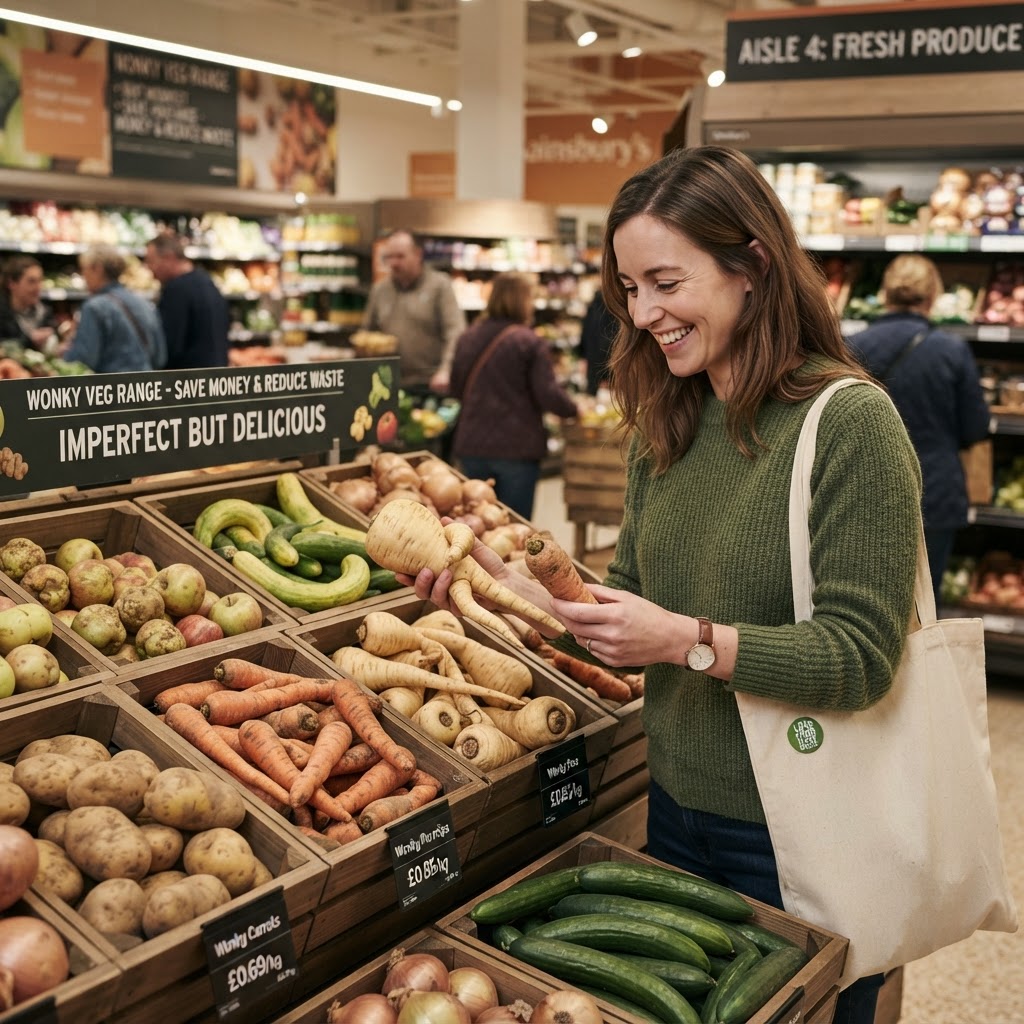
How to make the most of UK supermarket 'misshapen' fruit and veg ranges
Buying imperfect produce from UK supermarkets is a simple way to reduce your grocery bill without compromising on nutrition. Here is how to navigate these ranges to maximise your savings.
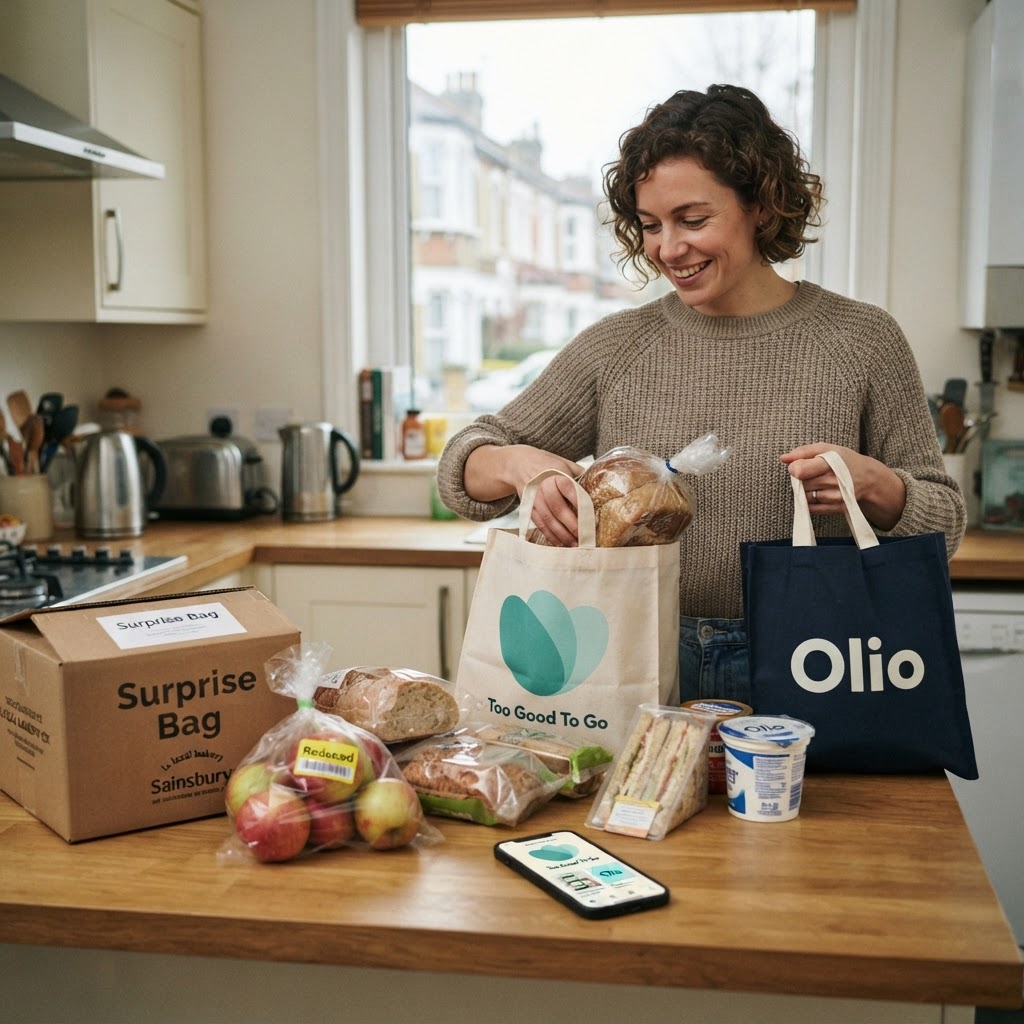
How to legally use 'Too Good To Go' and 'Olio' for massive grocery savings in the UK
Surplus food apps are transforming how households shop by offering significant discounts on fresh goods that would otherwise be binned. Here is how to use them effectively to cut your weekly bill.