
How to cut household food waste by 40% (and £700 a year) without changing what you eat
A definitive guide to cutting household food waste by 40% using simple storage and planning habits that save an average of £700 a year.
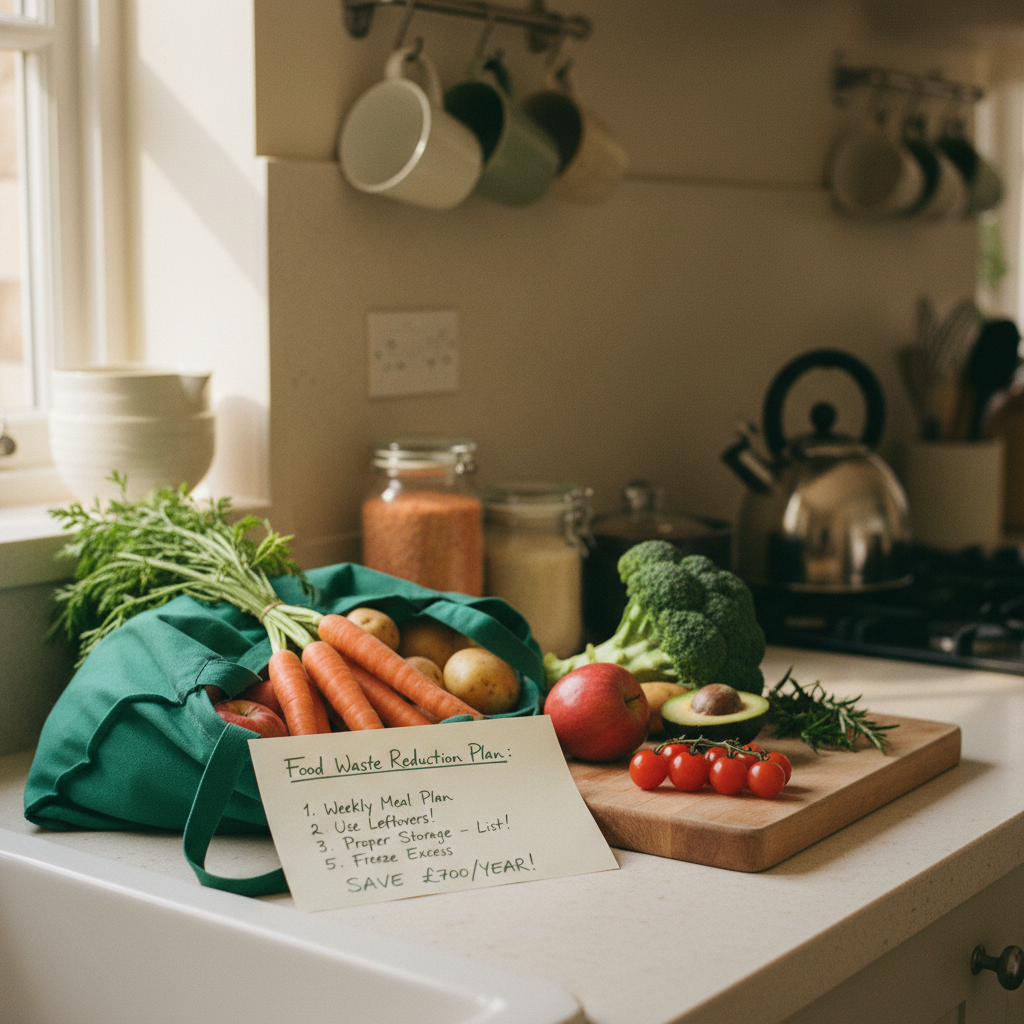
Recent data published by WRAP in February 2026 identifies that the average UK household discards approximately £1,020 worth of edible food each year. By implementing simple storage and planning adjustments rather than changing what you eat, you can realistically cut this waste by 40%, placing roughly £700 back into your household budget annually. This guide outlines the practical steps to stop throwing away money without needing to overhaul your dietary habits or spend extra hours in the kitchen.
The fridge audit
The single most frequent cause of household food waste is the purchase of duplicates for items already hiding at the back of the fridge. Before you head to the supermarket or place your online order, take a photo of the inside of your fridge and your pantry shelves. This twelve-second habit provides a permanent reference during your shop, preventing the common mistake of buying a third jar of pesto or another carton of eggs when you already have supplies.
This simple visual check ensures you only acquire what is strictly necessary for your weekly needs.
Establishing a use first protocol
Most households have one shelf in the fridge that becomes the graveyard for half-used jars and wilting vegetables. Instead, designate a specific shelf at eye level as your 'use first' zone. Place items that are nearest to their date or have been opened recently on this shelf.
WRAP trials have demonstrated that this simple structural change can result in a 23% reduction in household waste, as it forces family members to clear current stock before reaching for fresh items. It removes the guesswork from meal preparation and stops perfectly good food from being pushed to the back until it becomes inedible.
Mastering early freezing
Many households wait until the day before a 'use by' date to consider the freezer. However, this is often too late, as the quality of the item has already degraded. To get the best results, freeze items on the day of purchase.
Bread, milk, cheese, cooked rice, raw mince, and even soft fruit can be preserved effectively if frozen immediately. When you return from the supermarket, allocate five minutes to portioning food into freezer-safe bags or containers. This proactive approach ensures you always have a stockpile of ingredients that are effectively 'paused' in time, ready for use whenever your plans change.
Shopping from core recipes
Inspiration-led shopping is a primary driver of unused ingredient waste. We often buy specific vegetables or spices for a one-off recipe that then sit unused for months. Most households actually rotate between a core list of seven to ten regular meals that they enjoy.
Create a definitive list of these meals and shop exclusively for the ingredients required for those specific dishes. This removes the temptation to buy exotic items that end up in the bin and ensures that your weekly spend is focused entirely on food that you know will be consumed by the end of the week.
Understanding food dates
The Food Standards Agency (FSA) is clear: there is a vital legal and safety difference between 'use by' and 'best before' dates. 'Use by' is a safety indicator; food must not be consumed after this date to avoid risks. Conversely, 'best before' is purely about quality.
Products such as bread, eggs, dry goods, hard cheese, and even some unopened dairy are often perfectly safe to eat well past this date. Use your senses—look, smell, and taste—rather than relying strictly on the printed date for these items. Ignoring the 'best before' label on non-perishable goods is one of the easiest ways to stop wasting perfectly edible food.
The bottom line
Food waste remains the easiest line item to correct in any domestic budget, requiring no additional cooking time or dietary restrictions. By focusing on stock visibility and proactive storage, you can effectively secure a saving of roughly £700 per year.
One email. Every Sunday. The tips that actually save UK households money.
More on food & groceries

How to make the most of 'wonky' veg boxes and supermarket 'ugly' produce ranges in 2026
Buying imperfect fruit and vegetables can slash your weekly grocery bill by up to 30 percent while helping reduce household waste.
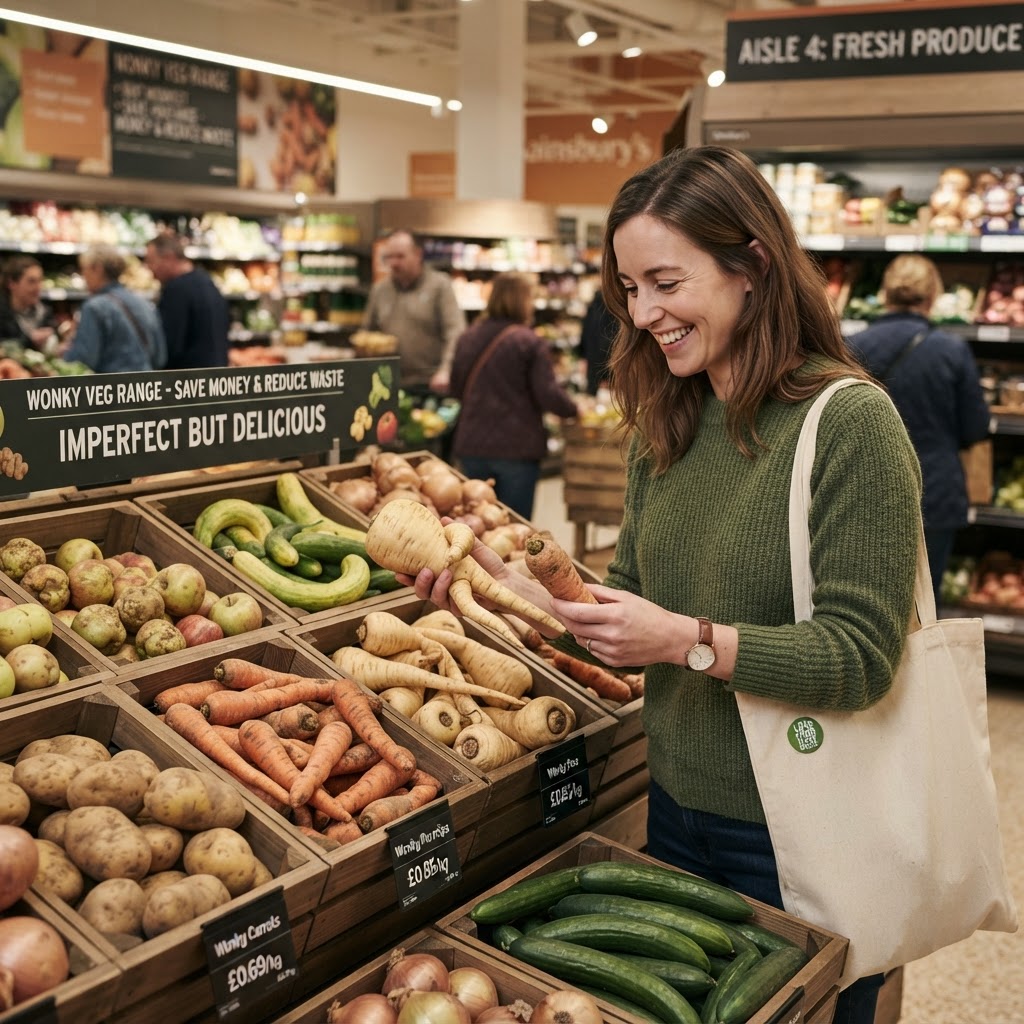
How to make the most of UK supermarket 'misshapen' fruit and veg ranges
Buying imperfect produce from UK supermarkets is a simple way to reduce your grocery bill without compromising on nutrition. Here is how to navigate these ranges to maximise your savings.
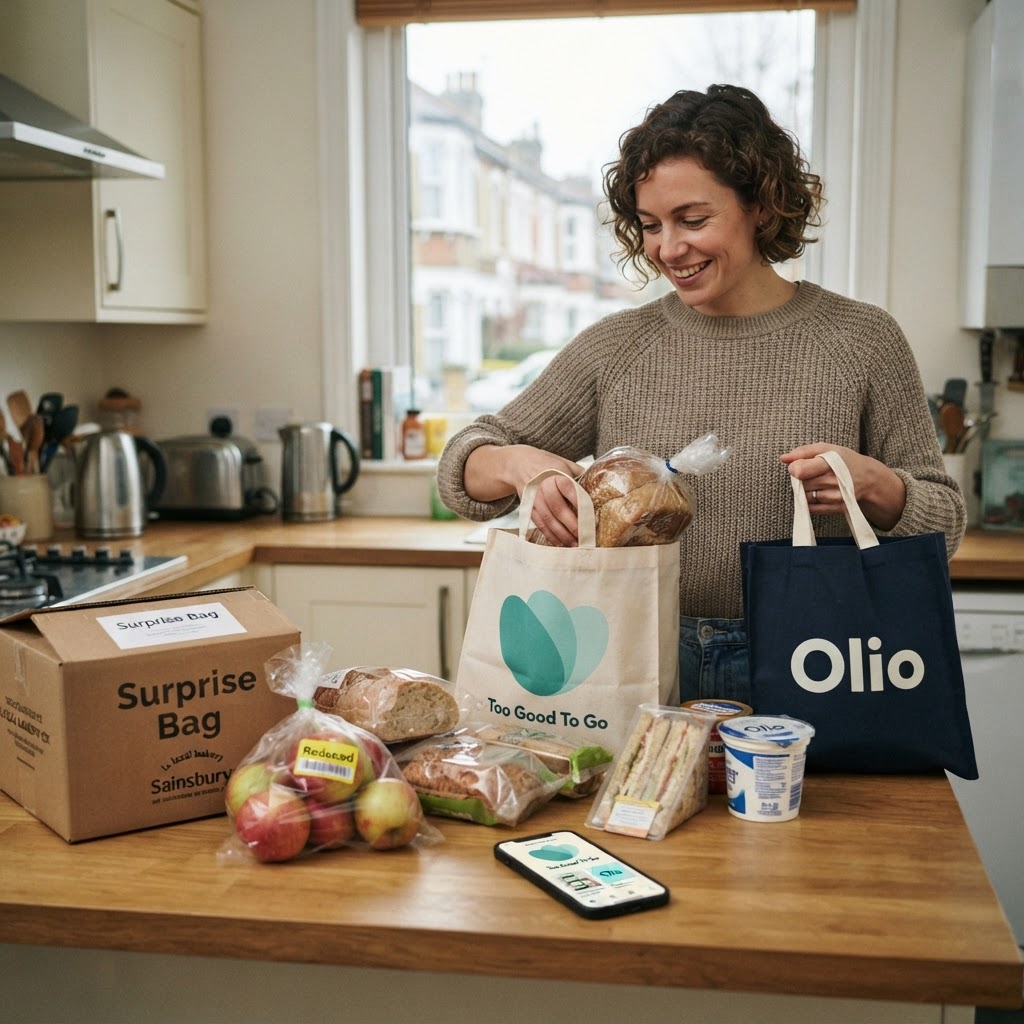
How to legally use 'Too Good To Go' and 'Olio' for massive grocery savings in the UK
Surplus food apps are transforming how households shop by offering significant discounts on fresh goods that would otherwise be binned. Here is how to use them effectively to cut your weekly bill.