
How to avoid paying for unnecessary breakdown cover in the UK
You may already be covered for vehicle rescue through your bank, insurance, or car warranty without realising it. Here is how to check your existing policies and avoid duplicating costs.
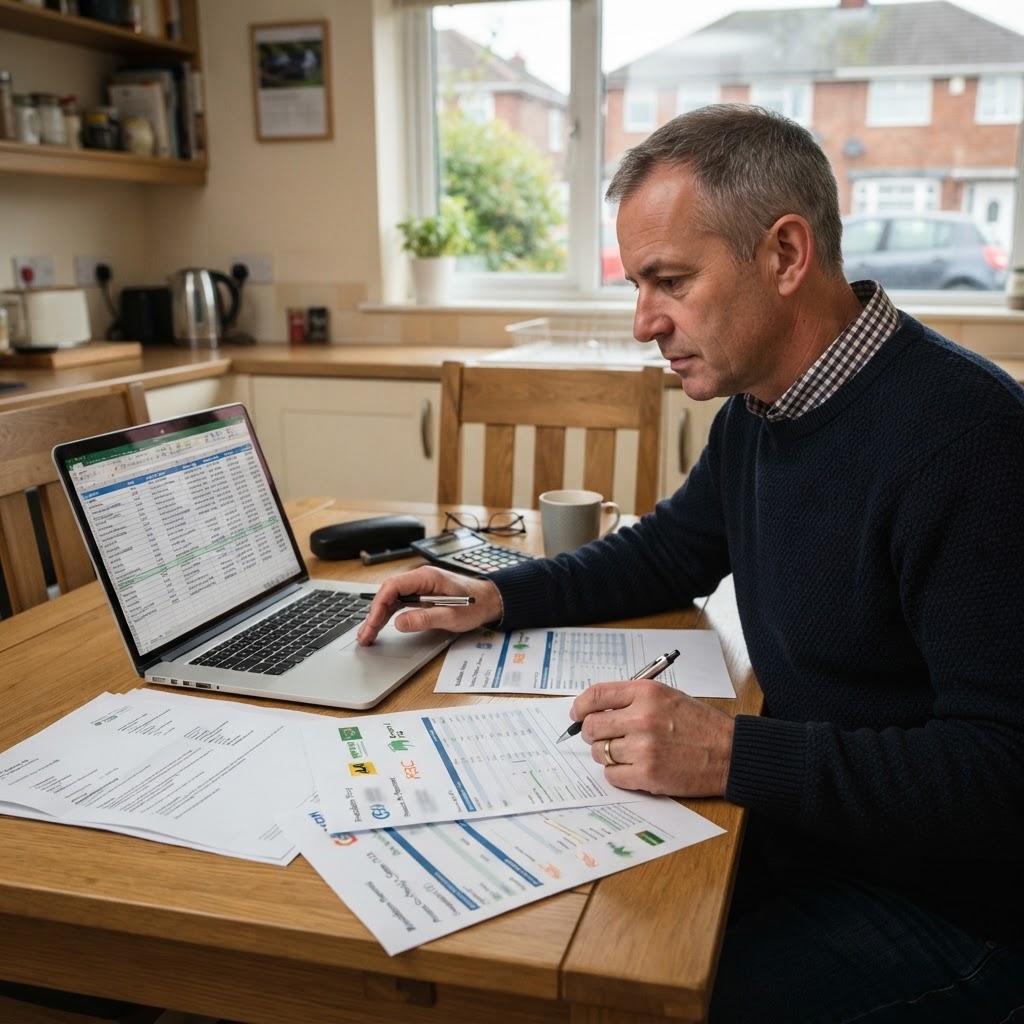
Breakdown cover is one of those household expenses that many of us sign up for and then forget about for years. With annual premiums often creeping upward, it is easy to pay for a premium 'onward travel' or 'home start' package that you simply do not need, or worse, to pay for a service you already hold elsewhere. Before you renew your policy, it is worth spending half an hour auditing your current financial and insurance products to ensure you are not double-insured.
Check your bank account benefits
Many premium current accounts in the UK come with 'packaged' benefits as part of the monthly fee. These often include travel insurance, mobile phone cover, and, frequently, comprehensive UK breakdown assistance. Providers like Nationwide, Lloyds, and Barclays have historically included these services in their higher-tier accounts. Log into your banking app or check your account terms and conditions to see if a breakdown service provider is listed under your account benefits. If you are paying £15 to £20 a month for an account you rarely use, or one where you do not value the other perks, you might be paying significantly more than the cost of a standalone policy. Make sure you have actually registered your vehicle with the provider if required, as many bank-linked policies only cover the account holder and require you to nominate a specific car.
Review your car insurance policy
When you renew your car insurance, the provider will almost always offer to 'bolt-on' breakdown cover. While this is convenient, it is rarely the cheapest way to secure assistance. Insurance companies usually act as a middleman for major rescue firms, meaning you pay a premium for the convenience of having everything on one document. Furthermore, check the fine print of your existing comprehensive car insurance policy. Some insurers include basic roadside assistance as a standard feature, though this is becoming less common. If you have already paid for this cover through your insurer, ensure you are not also paying for a separate subscription to a dedicated breakdown firm like the AA or RAC.
Check for manufacturer or dealer warranties
If you drive a relatively new car, or have purchased an approved-used vehicle from a dealership, you may already have complimentary breakdown cover. Most major manufacturers provide at least one year of emergency assistance when you buy a new car. Some dealerships also offer this as an incentive on used vehicles. Check your vehicle's paperwork or call the dealership where you bought it. If you have valid cover through a manufacturer scheme, you can cancel your private policy immediately. Be aware that these manufacturer policies often have very specific requirements, such as ensuring all servicing is carried out at authorised centres, so read the terms carefully before relying on them entirely.
Audit your cover levels
If you find that you do need to keep a separate policy, look closely at what you are paying for. 'Home start' covers you if the car won't start on your driveway, but if you have a second vehicle or are a confident cyclist, you might decide this is an unnecessary luxury. Similarly, 'onward travel' provides a hire car or hotel accommodation if your vehicle cannot be fixed at the roadside. This is an expensive add-on. If you live close to work or have friends and family who could give you a lift, you could save £50 or more a year by opting for a 'roadside only' package. Use comparison sites like GoCompare or MoneySuperMarket to find the cheapest standalone quotes, then call your existing provider and ask if they can match it. If they cannot, do not be afraid to switch.
One email. Every Sunday. The tips that actually save UK households money.
More on transport
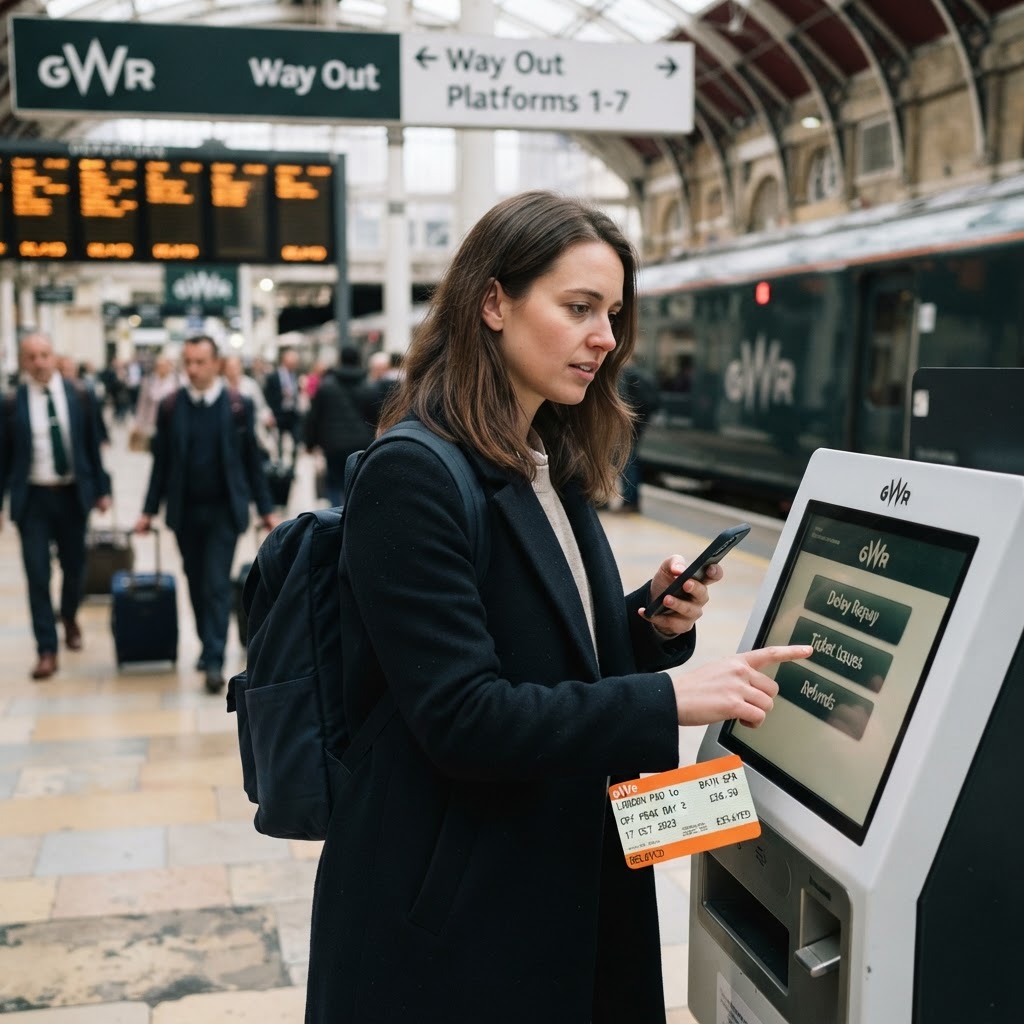
How to claim Delay Repay on UK trains: A complete guide to getting your money back
When your train is delayed or cancelled, you are entitled to compensation. Here is how to navigate the Delay Repay system and ensure you aren't left out of pocket.

How to legally challenge and reduce unfair UK private parking charges
Private parking tickets are not official government fines, yet millions pay them automatically. Learn how to legally dispute these charges using the formal appeals process.

How to claim back excessive vehicle recovery and storage fees in the UK
If your car has been impounded or towed by police or local councils, you may be entitled to a partial refund if fees exceed legal limits. Here is how to challenge unreasonable costs.