
How to legally challenge and reduce unfair UK private parking charges
Private parking tickets are not official government fines, yet millions pay them automatically. Learn how to legally dispute these charges using the formal appeals process.
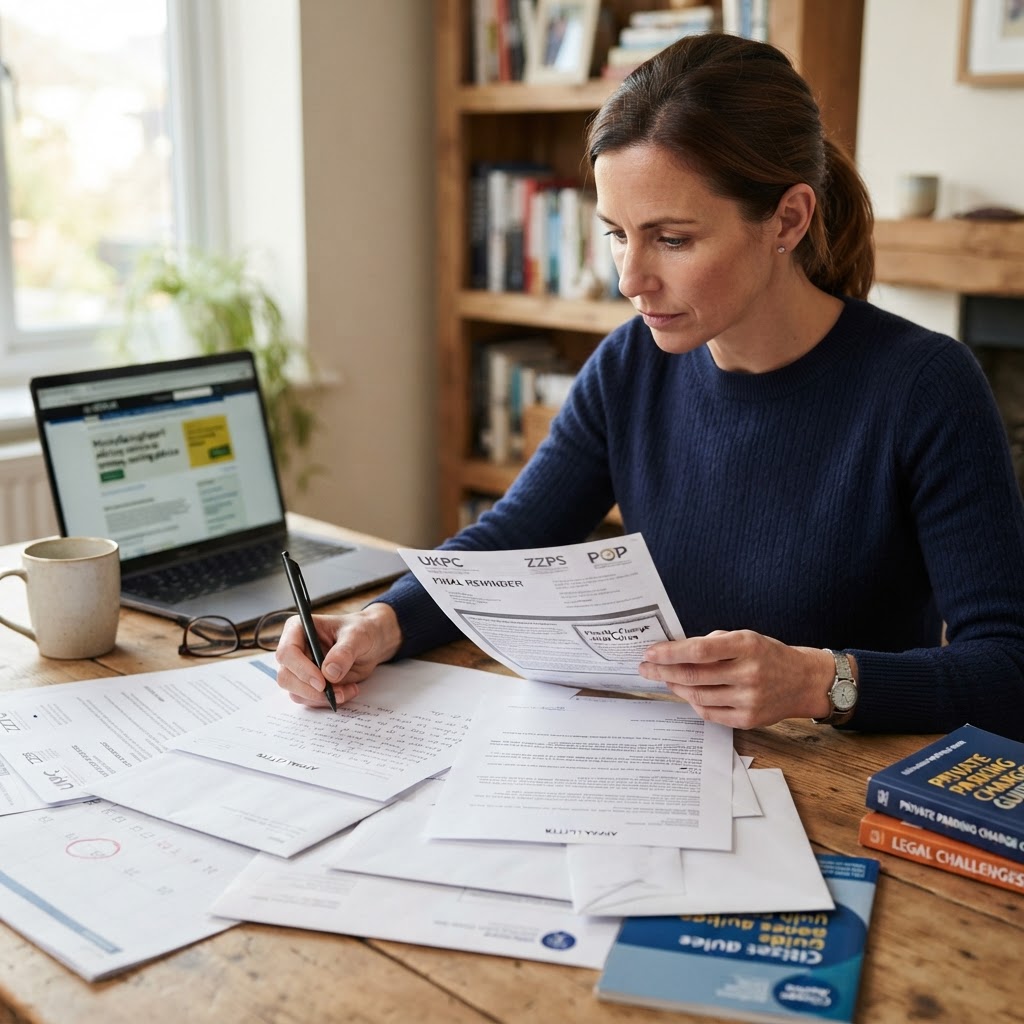
Know the difference: Fines vs. invoices
It is vital to understand that a ticket issued on private land—such as a supermarket car park, a hospital, or a block of flats—is not a 'fine'. It is a 'Parking Charge Notice' (PCN), essentially a request for payment based on a contract you allegedly breached. Unlike penalty charges issued by a council or police, these are civil invoices. If you believe the charge is unfair, you have a legal right to challenge it.
The initial appeal: Paperwork is key
Before you pay, check the 'Notice to Keeper'. If you received this by post, it must arrive within 14 days of the incident. If it arrived later, the operator may have forfeited their right to claim the charge from the registered keeper under the Protection of Freedoms Act 2012. If the signposting was poor, the ticket machine was broken, or you were only a few minutes over your time due to traffic, document it. Take photos of the signage (or lack thereof) and keep any receipts that prove you were a customer at the venue. Write to the parking operator immediately. Crucially, do not admit who was driving; simply refer to yourself as 'the keeper'.
Using the Independent Appeals Service (POPLA)
If the parking firm rejects your initial appeal, they are required by law (if they are members of the BPA or IPC trade bodies) to provide you with a code for an independent appeal service. For the British Parking Association (BPA), this is POPLA. This service is free and independent. Most appeals that reach this stage are successful if you have clear evidence of mitigating circumstances or operator error. The operator must then provide a full 'evidence pack' to show why they believe the charge is valid; if they fail to do so, your appeal is often upheld automatically.
When to ignore, and when to pay
Do not ignore a formal letter before action or a county court claim. While many operators use aggressive debt collection tactics, these are not court orders. If you receive a letter from a debt collector, remember they have no legal power to enter your home or seize property. However, if the operator issues a formal claim through the small claims track of the county court, you must respond. Most of these cases are discontinued before they reach a judge because the operator knows their signage or processes are legally shaky. If your appeal fails at POPLA, evaluate the strength of your evidence honestly. If you have clearly overstayed and the signs were prominent, paying the reduced rate within the 14-day discount period might be the most pragmatic choice to avoid the risk of court costs.
One email. Every Sunday. The tips that actually save UK households money.
More on transport
How to avoid paying for unnecessary breakdown cover in the UK
You may already be covered for vehicle rescue through your bank, insurance, or car warranty without realising it. Here is how to check your existing policies and avoid duplicating costs.
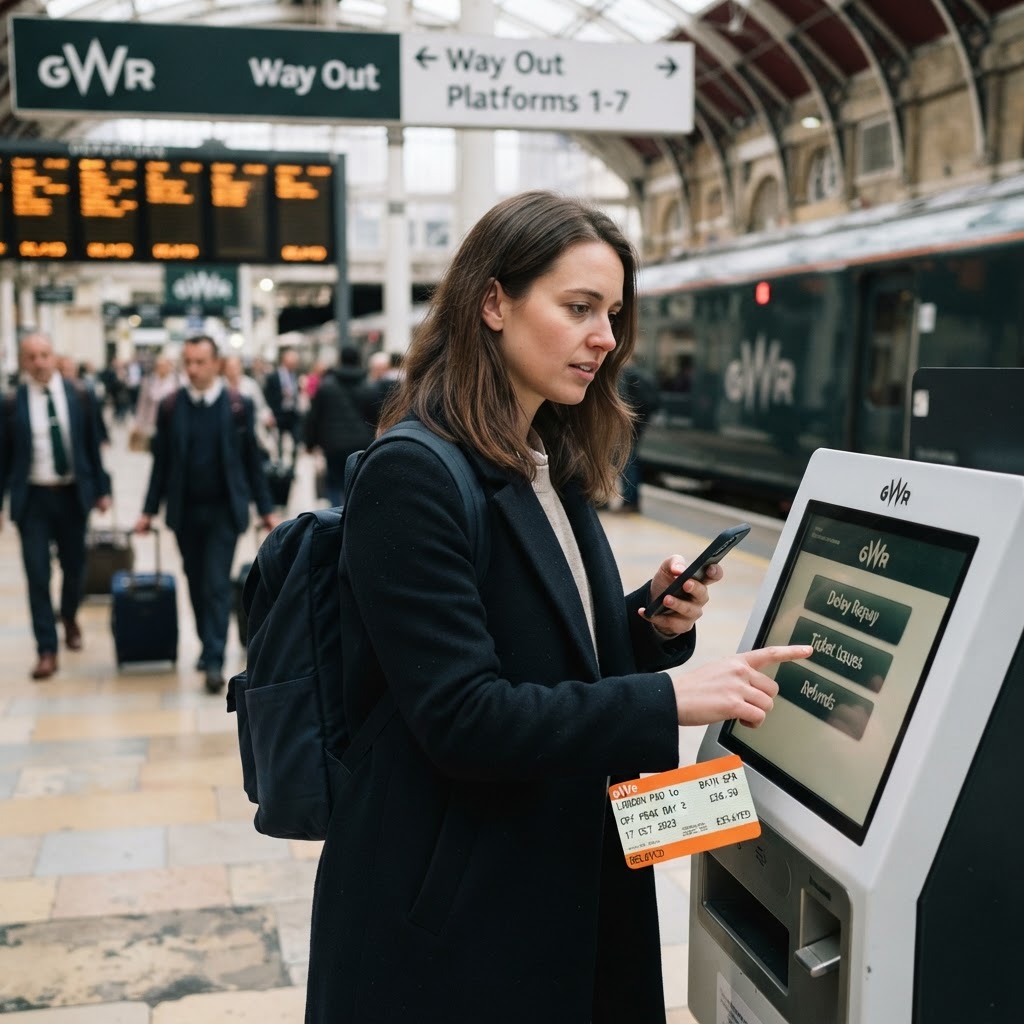
How to claim Delay Repay on UK trains: A complete guide to getting your money back
When your train is delayed or cancelled, you are entitled to compensation. Here is how to navigate the Delay Repay system and ensure you aren't left out of pocket.
How to claim back excessive vehicle recovery and storage fees in the UK
If your car has been impounded or towed by police or local councils, you may be entitled to a partial refund if fees exceed legal limits. Here is how to challenge unreasonable costs.