
How to claim Delay Repay on UK trains: A complete guide to getting your money back
When your train is delayed or cancelled, you are entitled to compensation. Here is how to navigate the Delay Repay system and ensure you aren't left out of pocket.
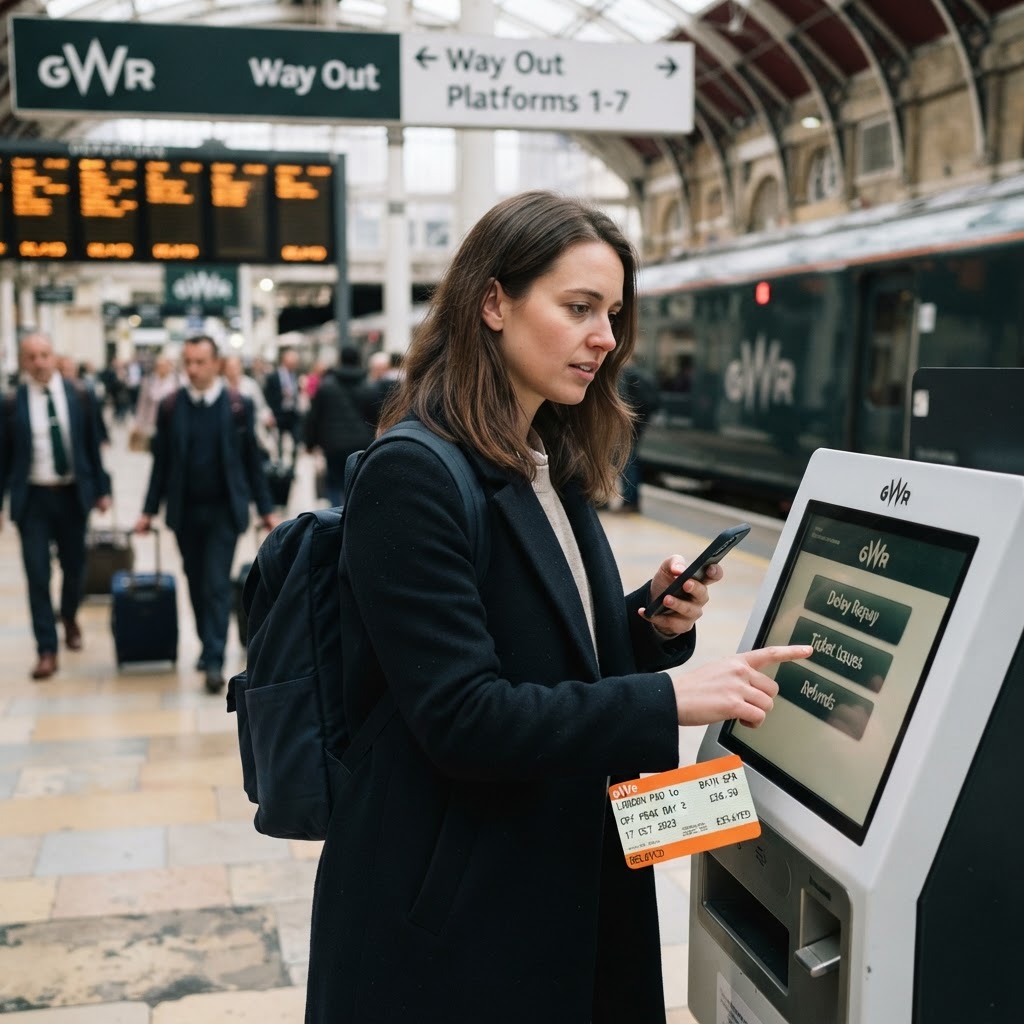
Know your rights: What is Delay Repay
If your journey is disrupted, you are entitled to compensation through the 'Delay Repay' scheme. Unlike older systems that relied on your ticket being delayed by a specific amount of time compared to the original timetable, Delay Repay generally applies regardless of the cause of the delay, provided it was within the train operator's control or even if it was caused by infrastructure failures.
The core principle is simple: if you arrive at your destination late, you get money back. Most UK train operating companies now offer compensation for delays of 15 minutes or more, though some still start the threshold at 30 minutes. You should check your operator's specific Passenger Charter to confirm their exact policy.
The compensation thresholds
The amount you can claim depends on the length of the delay relative to your scheduled arrival time
Generally, if you are delayed by 15 to 29 minutes, you can expect 25% of the cost of that leg of your journey. A delay of 30 to 59 minutes usually earns you 50% of the ticket price. If your train is delayed by 60 minutes or more, you are entitled to a 100% refund for that specific journey leg. For those with season tickets, the calculation is different: the value of your ticket is divided by the number of journeys typically made in that period to determine a 'daily' cost, upon which the percentage refund is applied.
How to file your claim
To claim, you must submit your request within 28 days of the delay
While some operators may offer a longer window, 28 days is the standard industry minimum. You will need to provide your original ticket, a copy of your smartcard receipt, or a printout of your booking confirmation. If you used a contactless card, you should provide the bank statement or payment history showing the transaction.
Do not wait for the operator to contact you; the onus is entirely on the passenger to initiate the claim. Most claims are now handled via online portals on the operator’s website, which is faster than submitting paper forms. Ensure you take a screenshot of your submission confirmation, as this acts as your receipt should the claim go missing.
What to do if your claim is refused
If your claim is rejected, do not accept the initial decision if you believe it is unfair
First, request a written explanation from the train company's customer service department. If they persist in refusing, you can escalate the matter to the Rail Ombudsman. This service is free and independent. Before escalating, you must have followed the train company’s formal complaints process. Keep a detailed log of all correspondence, including dates, names of staff you have spoken to, and the reference numbers provided.
If the Ombudsman finds in your favour, the train operator must comply with their decision. This process is designed to prevent operators from dismissing legitimate claims, so maintain a record of your journey and the delay duration to strengthen your position.
One email. Every Sunday. The tips that actually save UK households money.
More on transport
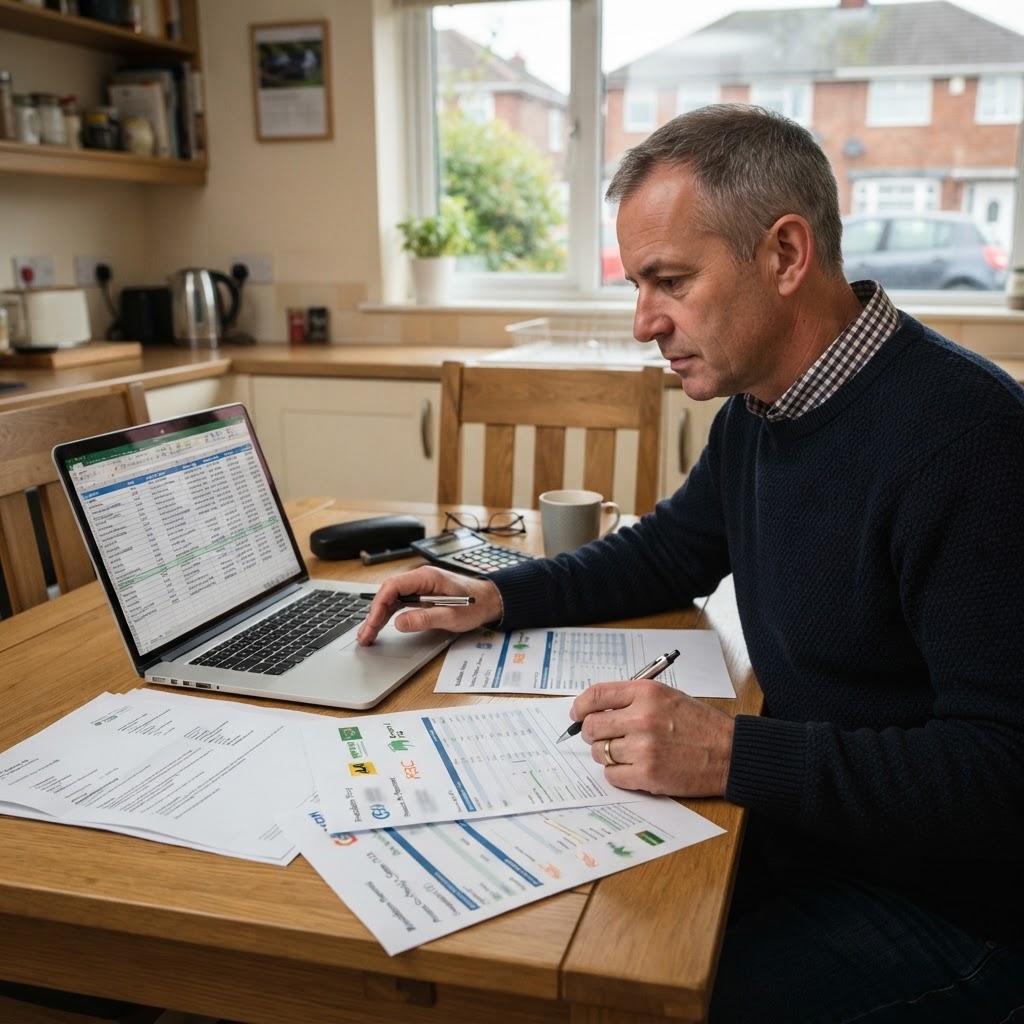
How to avoid paying for unnecessary breakdown cover in the UK
You may already be covered for vehicle rescue through your bank, insurance, or car warranty without realising it. Here is how to check your existing policies and avoid duplicating costs.

How to legally challenge and reduce unfair UK private parking charges
Private parking tickets are not official government fines, yet millions pay them automatically. Learn how to legally dispute these charges using the formal appeals process.
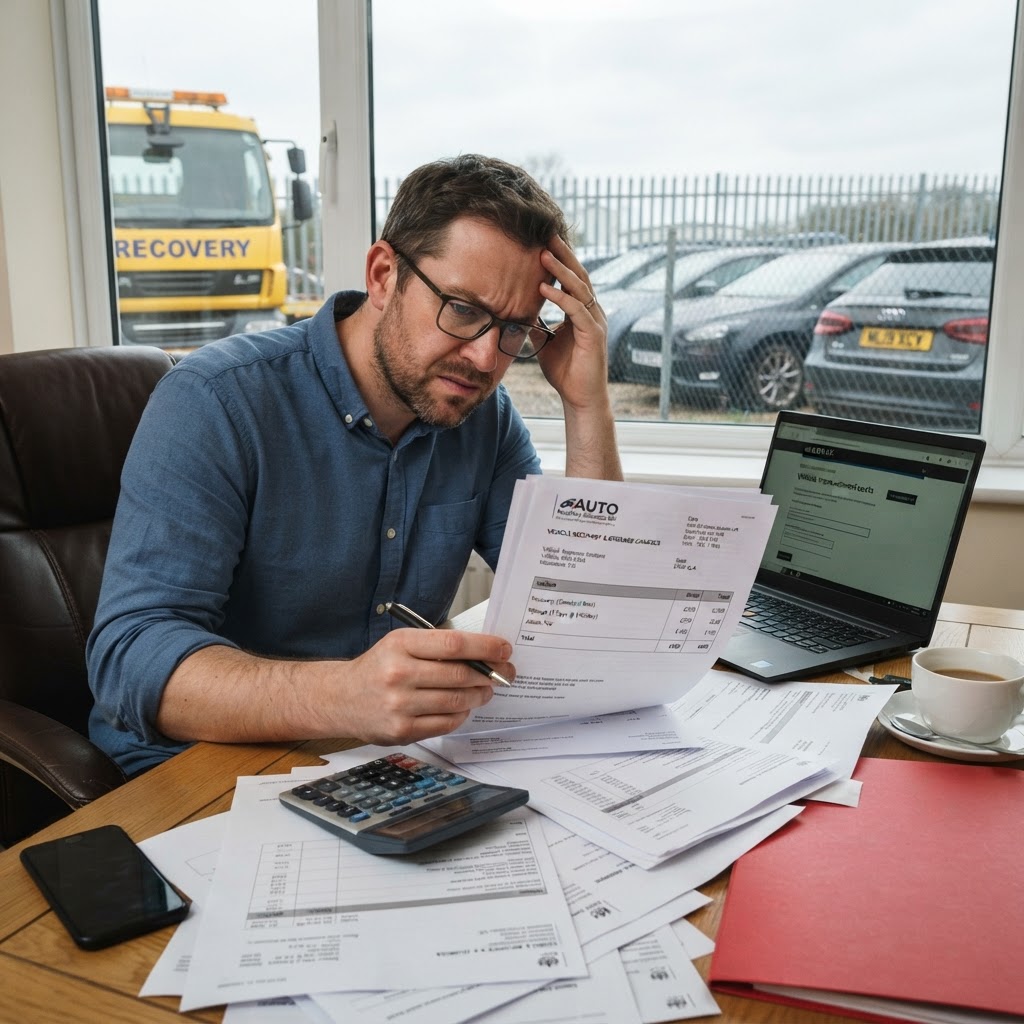
How to claim back excessive vehicle recovery and storage fees in the UK
If your car has been impounded or towed by police or local councils, you may be entitled to a partial refund if fees exceed legal limits. Here is how to challenge unreasonable costs.