
How to Cut Your Grocery Bills by Taking Advantage of Seasonal Produce
Using seasonal produce can significantly lower your grocery bills while improving the quality of your meals. Discover how to make the most of what's in season to save money and eat healthily.
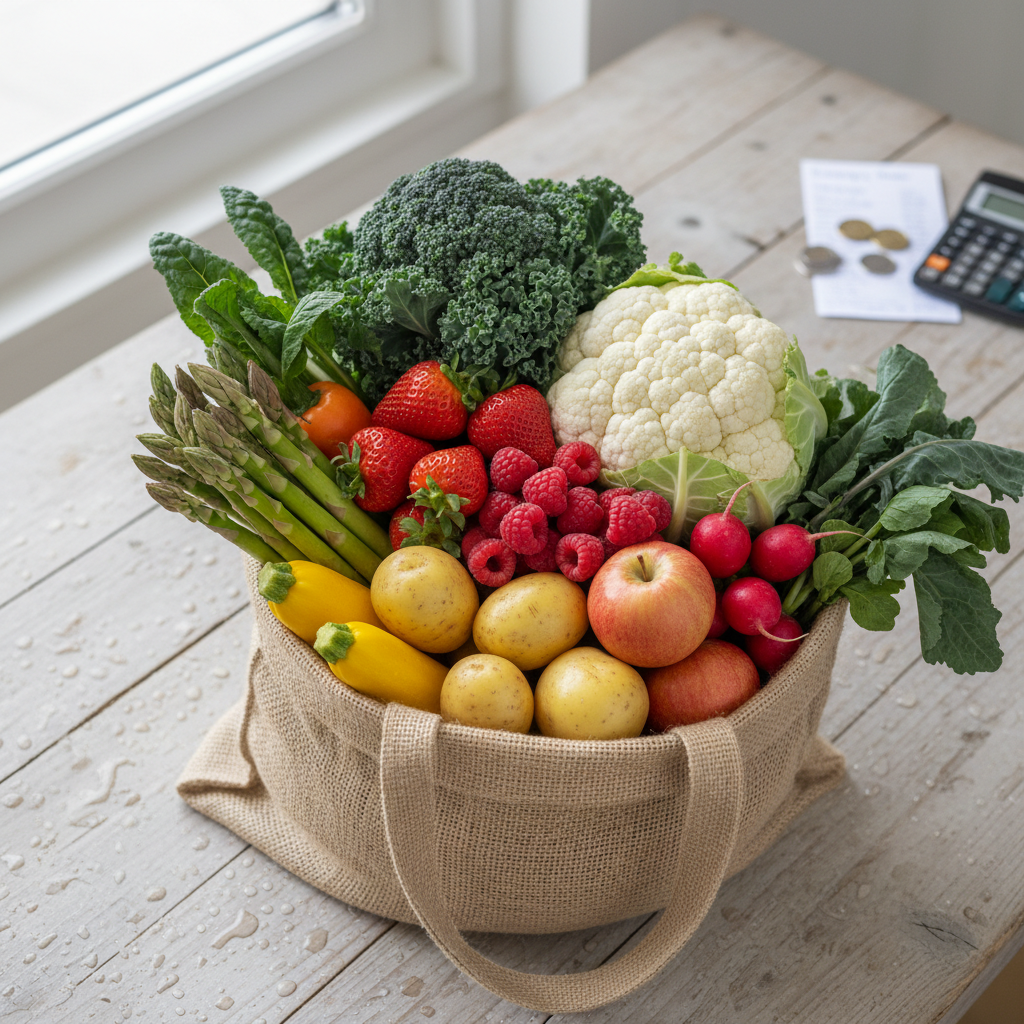
Understanding Seasonal Produce
One of the simplest ways to save money on groceries is to buy seasonal produce. Seasonal fruits and vegetables are typically cheaper because they are grown locally and harvested at peak ripeness. This not only reduces transportation costs but also ensures fresher, tastier food.
In the UK, the growing season varies throughout the year. Knowing what’s in season can save you money and support local farmers. Here’s a quick guide:
- Spring: Asparagus, strawberries, radishes, and new potatoes.
- Summer: Tomatoes, courgettes, peaches, and berries.
- Autumn: Pumpkins, apples, Brussels sprouts, and chestnuts.
- Winter: Cabbages, carrots, parsnips, and root vegetables.
Saving Money with Seasonal Shopping
Buying seasonal produce can lead to substantial savings. For example, if you switch from out-of-season strawberries, which can cost about £3.00 per punnet during winter, to in-season strawberries in summer, which can be £1.50 or less, the difference is quite stark. Considering a family of four, making seasonal choices can easily result in savings of £200 to £300 a year on fruits and vegetables alone.
Tips for Shopping Seasonally
- Visit Local Markets: Farmers' markets often feature local, in-season produce at lower prices than supermarkets. Plus, you might discover new varieties of fruits and vegetables.
- Check Store Flyers: Many UK supermarkets, like Tesco and Sainsbury’s, have seasonal produce displays or sections in their weekly flyers. Keep an eye out for special offers on seasonal items.
- Plan Your Meals: Create your weekly meal plan around in-season produce. This practice is not only money-saving but also encourages variety in your diet.
Preserving Seasonal Produce
To really make the most of seasonal items and cut down on food waste, consider preservation techniques:
- Freezing: Most fruits and vegetables can be blanched and frozen at their peak freshness. Berries, for instance, can last up to a year in the freezer.
- Canning and Jarring: Learn the basics of canning to preserve tomatoes and pickles. Home-canned items can save money and reduce waste.
- Drying: Dehydrating fruits like apples or herbs can provide healthy snacks and seasonings far into the season.
Utilising Online Resources and Apps
Make use of online resources and apps that highlight seasonal fruits and vegetables. Websites such as Love Food Hate Waste provide tips on when certain foods are in season. Apps like Too Good To Go help rescue surplus food from local shops at discounted prices. These resources can help you save money and avoid food waste.
Conclusion
By incorporating seasonal produce into your grocery shopping habits, you not only save money but also contribute to a more sustainable food system. With potential savings between £200 to £300 a year, every little bit helps in managing household budgets amid rising living costs. Embrace the seasons, save on groceries, and enjoy the deliciousness that comes with them.
Lastly, don’t forget to share your favorite seasonal recipes with family and friends—saving money doesn’t mean compromising on flavor!
One email. Every Sunday. The tips that actually save UK households money.
More on food & groceries
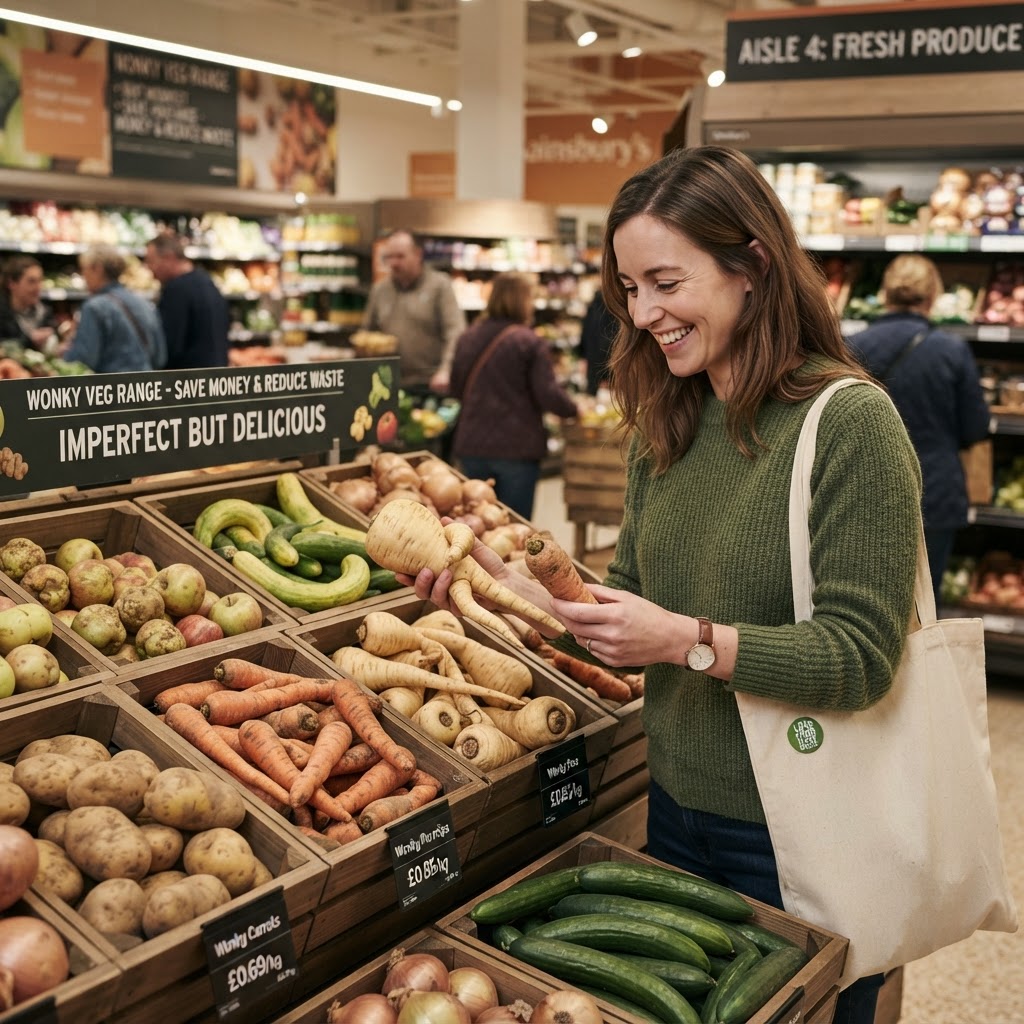
How to make the most of UK supermarket 'misshapen' fruit and veg ranges
Buying imperfect produce from UK supermarkets is a simple way to reduce your grocery bill without compromising on nutrition. Here is how to navigate these ranges to maximise your savings.

How to legally use 'Too Good To Go' and 'Olio' for massive grocery savings in the UK
Surplus food apps are transforming how households shop by offering significant discounts on fresh goods that would otherwise be binned. Here is how to use them effectively to cut your weekly bill.
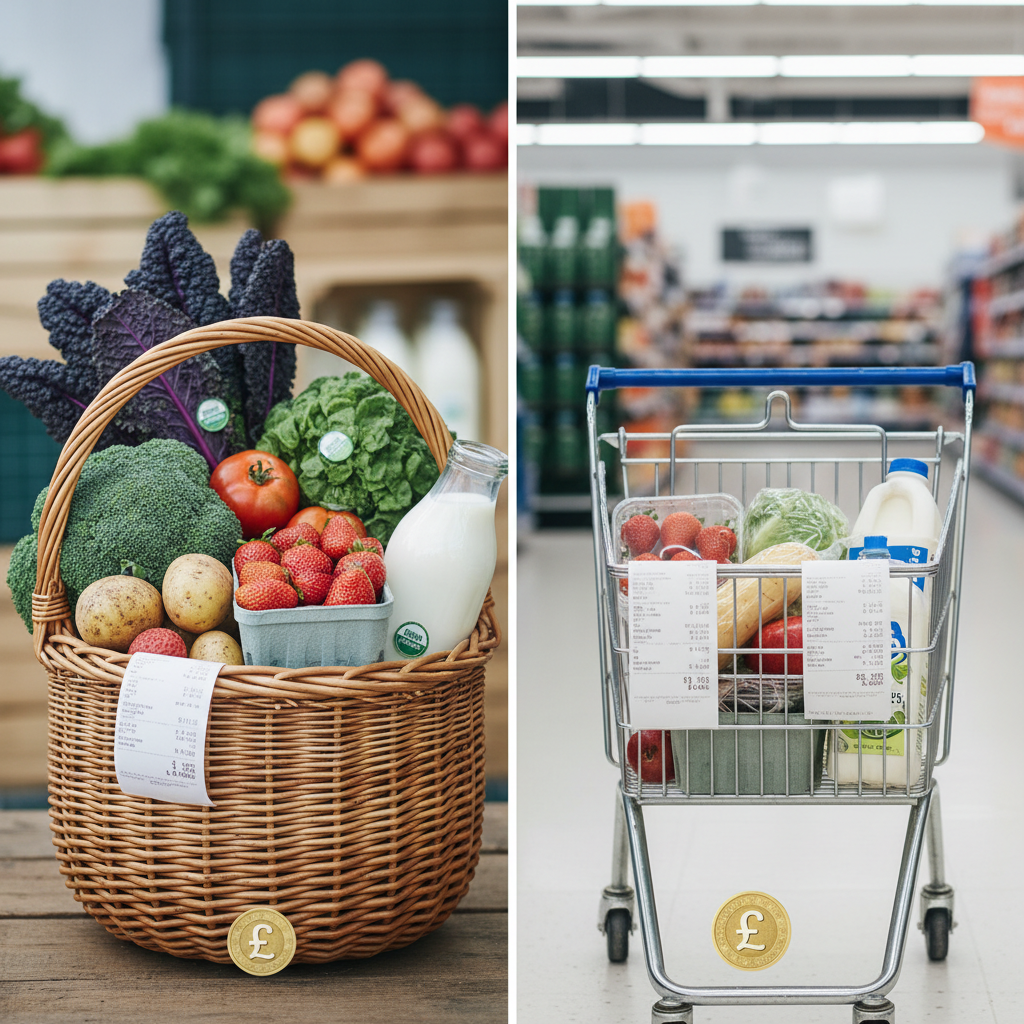
Understanding the Cost of Organic Foods in the UK: Are They Worth It?
Organic food can be more expensive than conventional options, but understanding the reasons behind the pricing can help you make informed decisions and potentially save money.