Understanding the Cost of Organic Foods in the UK: Are They Worth It?
Organic food can be more expensive than conventional options, but understanding the reasons behind the pricing can help you make informed decisions and potentially save money.
The Organic Premium: What You’re Paying For
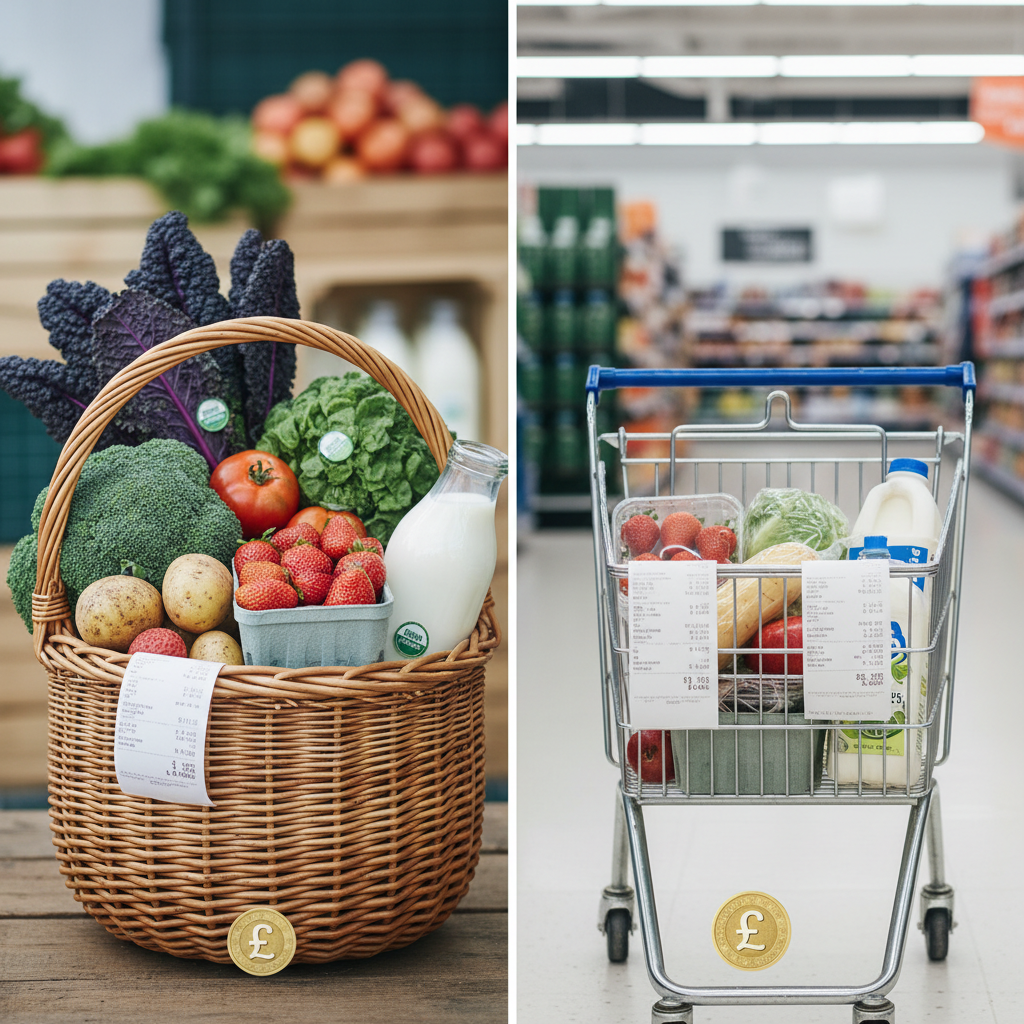
When chatting about food expenses, organic produce consistently comes up, highlighting a significant price difference compared to conventionally grown foods. In the UK, the price of organic fruits and vegetables can be up to 30% higher. The reasons for this premium include the costs of organic farming practices, certification, and the often more limited supply. However, this doesn’t mean that buying organic is a bad decision; understanding the value can help households make more informed choices.
Benefits of Organic Produce
One of the main arguments in favour of organic foods is their perceived health benefits. Research suggests that organic produce can contain fewer pesticide residues. A study published in the Journal of Agricultural and Food Chemistry found that organic fruits had lower levels of pesticide residue than their conventional counterparts. Furthermore, some consumers argue that organic foods taste better, though this is subjective.
Beyond health, there are environmental considerations. Organic farming practices are designed to promote biodiversity and reduce pollution from synthetic fertilizers and pesticides. For environmentally conscious consumers, supporting organic farming can align with their values, although it often comes at a higher cost. If these benefits resonate with you, the extra expense may feel justified.
Smart Shopping Strategies for Organic Foods
While you might feel the pinch when shopping for organic produce, there are effective strategies to reduce costs:
-
Farmers’ Markets: Buying directly from producers can cut costs significantly. Farmers' markets often offer organic options at lower prices than supermarkets. You may also find opportunities for discounts for bulk purchases.
-
Buy Seasonal: Organic produce that’s in season is generally cheaper and fresher. Consult seasonal food calendars and adjust your shopping list accordingly to save money. For example, organic strawberries are typically more affordable in the summer months than in winter.
-
Join a Community-Supported Agriculture (CSA): Many local farms offer subscription services where you pay a fee upfront for regular shares of organic produce. This method not only cuts costs—often by about 10-20%—but also supports local agriculture.
-
Store Loyalty Schemes: Some supermarkets provide loyalty schemes and discounts for organic products. For instance, Sainsbury’s has a loyalty card that can accrue points on organic purchases, enabling you to save on future shopping trips.
-
Compare Prices: Don’t settle for the first supermarket you visit; check different stores' websites or apps for price discrepancies. Sometimes, discount stores like Aldi and Lidl sell organic products at a fraction of the price compared to larger chains.
Are Organic Foods Worth the Costs?
When considering whether organic foods are worth the costs, it’s essential to weigh the health benefits, ethical considerations, and potential savings. If the environmental impact, health benefits, or taste of organic foods matter to you, investing in them may be worthwhile. However, for households strictly focusing on economics, conventional options may provide sufficient nourishment.
Ultimately, your decision should reflect personal values and budget constraints. If you strive to be both health-conscious and frugal, experimenting with a mix of organic and conventional might be the best approach. This method allows you to enjoy the benefits of organic food without overspending.
Conclusion: Balancing Health and Budget
In conclusion, the cost of organic foods in the UK presents a dilemma for many households. By understanding what drives the higher prices and employing savvy shopping strategies, you can integrate organic options into your diet without breaking the bank. Savvy planning and good shopping habits can lead to significant savings – potentially around £300 annually if you manage the balance of organic and conventional purchases smartly.
Ultimately, being conscious of what you eat doesn’t have to come at a sacrifice to your budget. By staying informed and fluid in your shopping strategies, you can enjoy heart-healthy, environmentally-friendly food choices without excessive strain on your finances.
One email. Every Sunday. The tips that actually save UK households money.
More on food & groceries
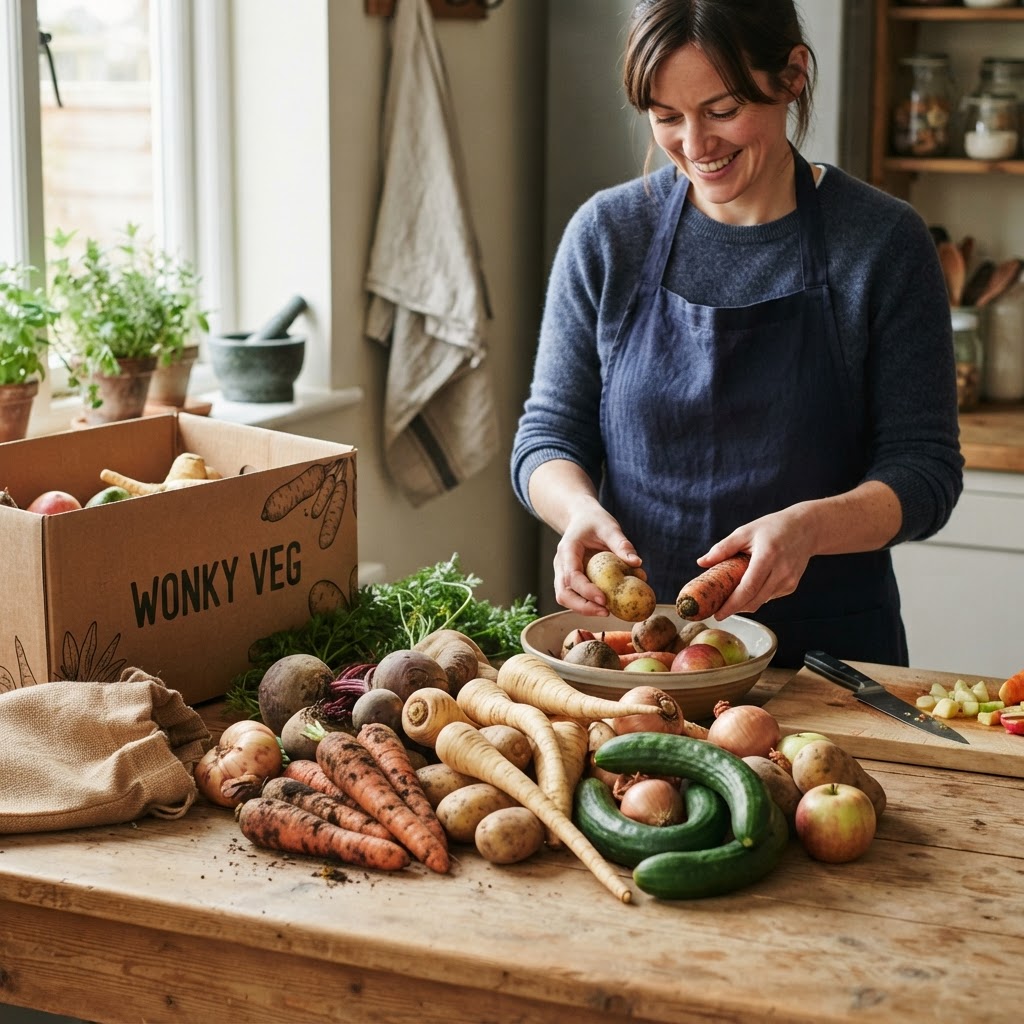
How to make the most of 'wonky' veg boxes and supermarket 'ugly' produce ranges in 2026
Buying imperfect fruit and vegetables can slash your weekly grocery bill by up to 30 percent while helping reduce household waste.
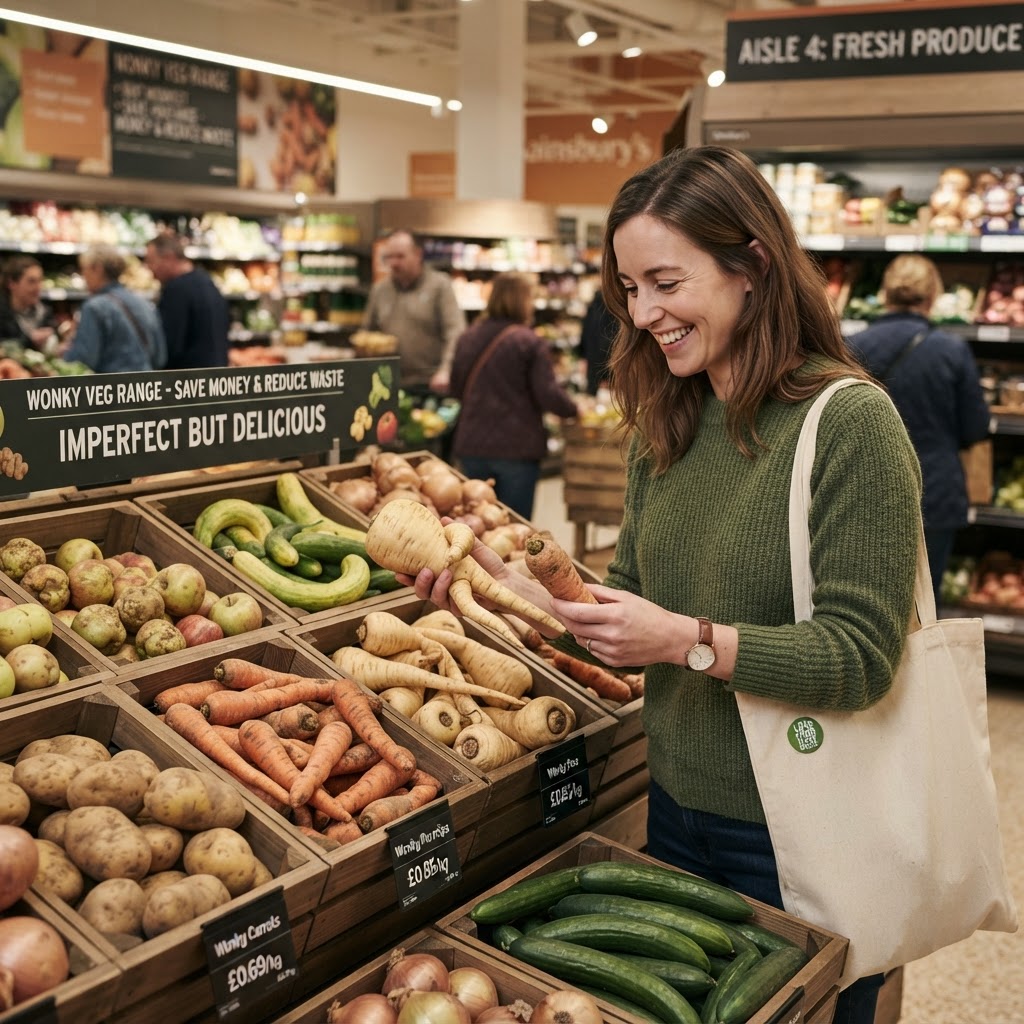
How to make the most of UK supermarket 'misshapen' fruit and veg ranges
Buying imperfect produce from UK supermarkets is a simple way to reduce your grocery bill without compromising on nutrition. Here is how to navigate these ranges to maximise your savings.
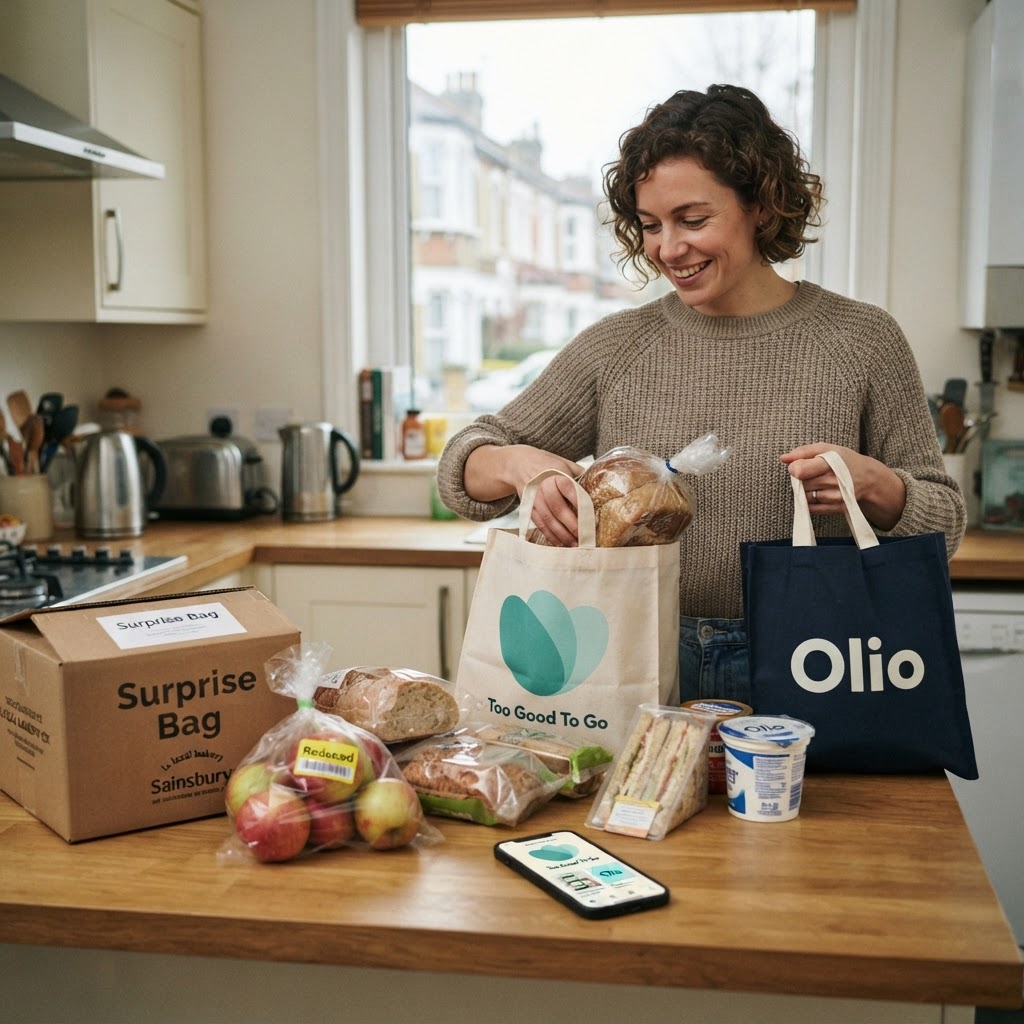
How to legally use 'Too Good To Go' and 'Olio' for massive grocery savings in the UK
Surplus food apps are transforming how households shop by offering significant discounts on fresh goods that would otherwise be binned. Here is how to use them effectively to cut your weekly bill.