
How to Save Money on Electric Vehicle Charging Costs in the UK
Electric vehicles (EVs) are becoming increasingly popular in the UK. This article provides practical advice on how households can reduce their EV charging costs while still enjoying the benefits of electric driving.
Understanding Your Charging Options
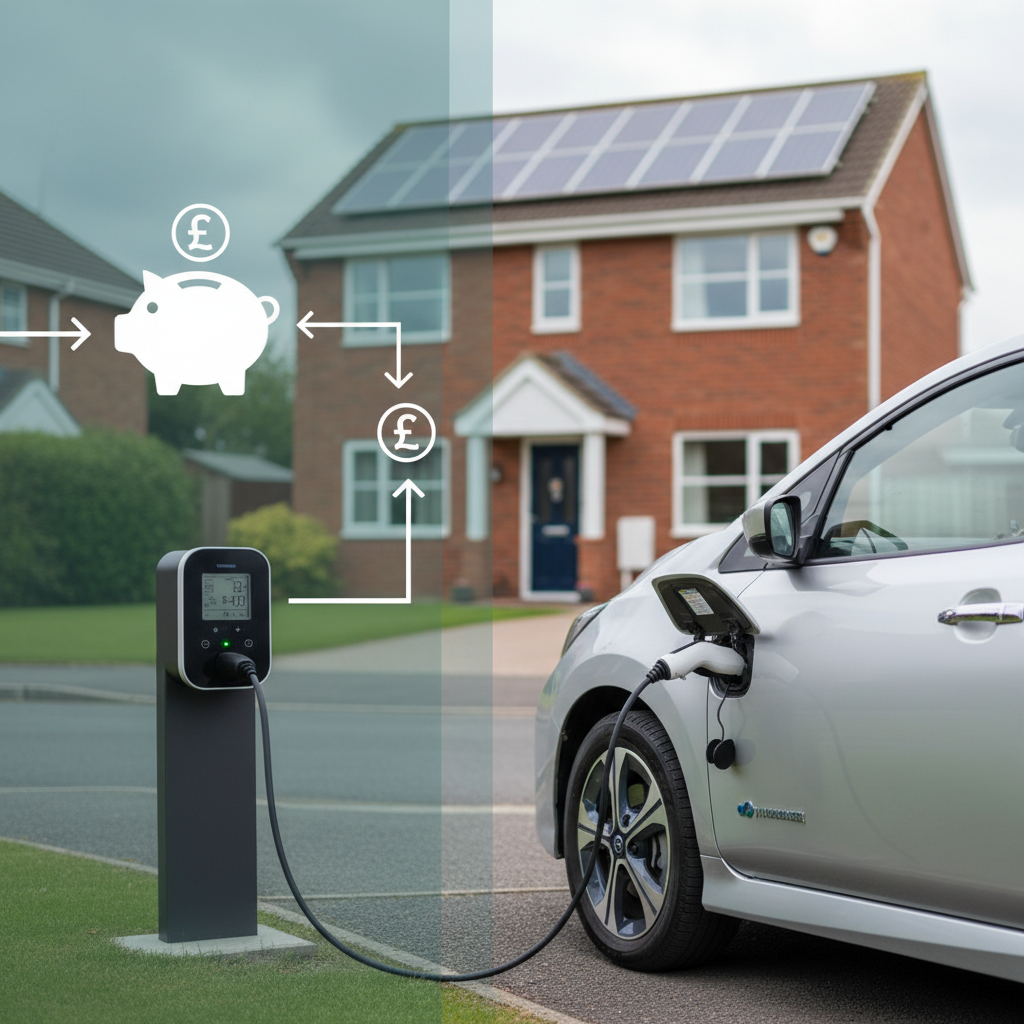
As electric vehicles gain popularity, many households are considering making the switch. However, the costs associated with charging can be a significant concern. Understanding your charging options is essential to saving money:
- At-Home Charging: Installing a home charging point can be convenient and cost-effective, especially if you charge during off-peak hours. Off-peak electricity rates can be significantly lower, allowing you to save on your energy bill.
- Public Charging: Public chargers are available at various locations, including supermarket car parks, city centres, and service stations. While many of these are free, others may incur a fee. It’s important to choose charging stations wisely to minimise costs.
Off-Peak Charging Benefits
Utilising off-peak charging can lead to substantial savings. Typically, energy providers offer cheaper tariffs for usage during off-peak hours, which often include late-night and early-morning hours. Here’s how you can benefit:
- Check with Your Energy Supplier: Many suppliers offer tariffs specifically designed for EV owners. For example, Octopus Energy has a Go tariff that allows you to charge your vehicle for as little as 5p per kWh during overnight hours.
- Smart Meters: If you don't have one already, consider getting a smart meter installed. This can help you track your energy use and set your EV to charge during the most cost-effective times.
Switching to an off-peak tariff can save you hundreds of pounds each year, depending on your charging habits. It’s possible to save around £200 annually by taking advantage of these rates.
Utilising EV Grants and Incentives
The UK government offers various grants and incentives to encourage the adoption of electric vehicles. Understanding and utilising these can substantially offset your EV costs:
- Home Charge Scheme: This scheme allows you to receive grants of up to £350 for installing a home charging point. You can claim this through the Office for Zero Emission Vehicles (OZEV).
- Plug-in Car Grant: Depending on your vehicle’s price and CO2 emissions, you might be eligible for a grant when purchasing a new electric vehicle. This can reduce the upfront cost by up to £2,500.
These grants not only reduce initial purchase costs but can also lower your overall EV running costs by making home charging more accessible.
Joining EV Charging Memberships
Many electric vehicle charging networks offer subscription-based membership plans that can significantly reduce charging costs:
- Membership Plans: Networks like Polar and Ionity provide subscription services where members can benefit from reduced charging rates and special offers. Depending on your usage, this could translate into savings of approximately £100 to £150 a year.
- Loyalty Schemes: Some EV charging points, like those found at supermarkets (e.g., Tesco), offer loyalty points for purchases made while your vehicle is charging. This can be an excellent way to stack savings.
Finding the right membership deal tailored to your charging habits can lead to further savings on annual charging costs.
Tips for Reducing Charging Costs
Here are some additional practical tips to help you save money:
- Plan Your Charging: Avoid charging when you don’t have to. Plan trips, so you charge at times and locations where costs are lower.
- Monitor Your Usage: Use apps that track your vehicle’s charging history to evaluate where and when you can save money.
- Consider Workplace Charging: If your employer offers charging facilities, this can minimise your home charging costs significantly. Check if your workplace has programs to support EV charging, which may also include savings on electricity costs.
- Look for Free Charging Zones: Some areas offer free charging points. Apps like Zap-Map can help you find them easily.
Conclusion
Making the switch to an electric vehicle can be financiallywise and environmentally friendly. By understanding your charging options, utilising grants and memberships, and planning your charging habits effectively, UK households can save substantial amounts on their electric vehicle costs. In total, by following these tips, it is realistic for households to save between £300 to £500 annually.
Combining smart charging habits with available incentives ensures that electric vehicle ownership is more affordable and accessible than ever.
For more information on specific tariffs and incentives, consult sites like Citizens Advice or Which? for up-to-date guidance tailored to your needs.
One email. Every Sunday. The tips that actually save UK households money.
More on transport
How to avoid paying for unnecessary breakdown cover in the UK
You may already be covered for vehicle rescue through your bank, insurance, or car warranty without realising it. Here is how to check your existing policies and avoid duplicating costs.
How to claim Delay Repay on UK trains: A complete guide to getting your money back
When your train is delayed or cancelled, you are entitled to compensation. Here is how to navigate the Delay Repay system and ensure you aren't left out of pocket.

How to legally challenge and reduce unfair UK private parking charges
Private parking tickets are not official government fines, yet millions pay them automatically. Learn how to legally dispute these charges using the formal appeals process.