How to Save Money with Supermarket Price Matching Policies in the UK
A detailed guide on how to leverage modern supermarket price-matching and loyalty schemes to reduce your weekly food shop costs in the current UK economic climate.
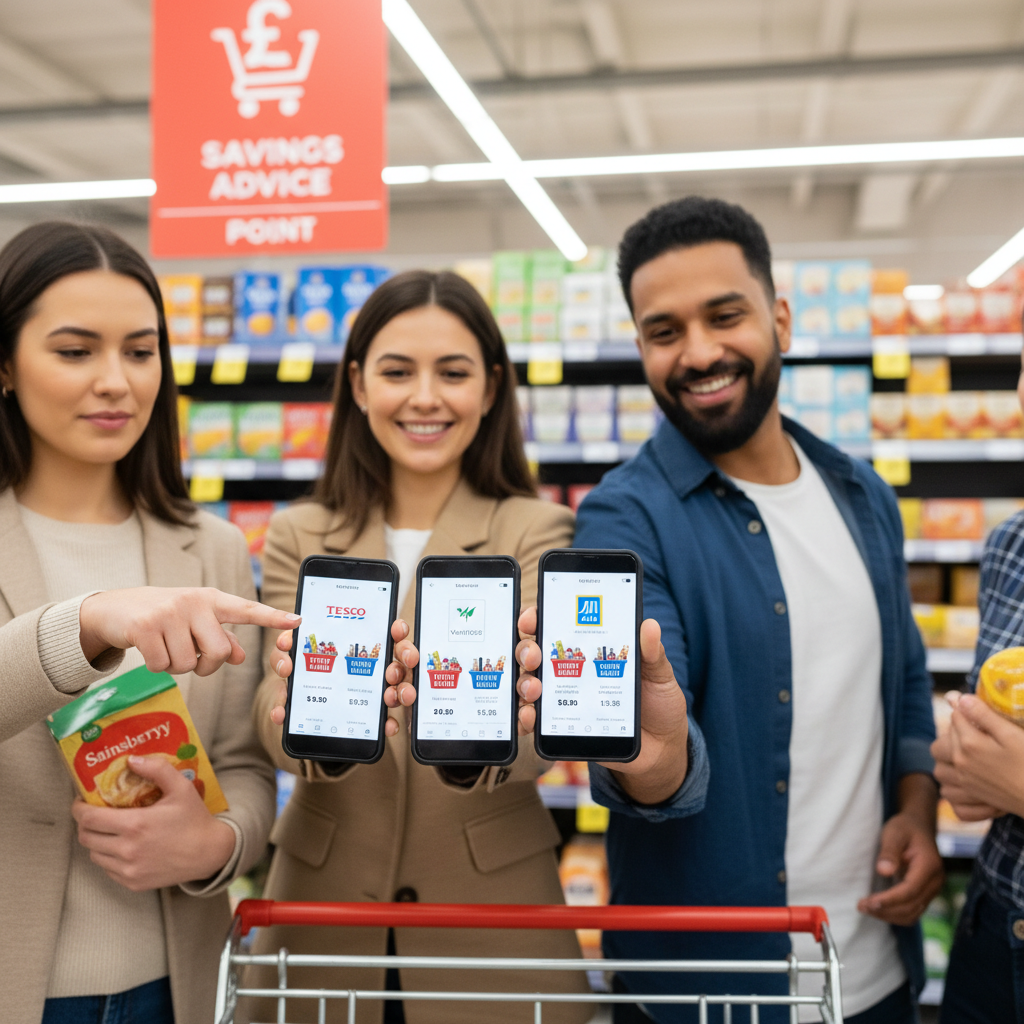
Managing the household food budget in October 2026 requires more than just loyalty to a single brand. With the current economic landscape seeing the Bank of England base rate hold steady at 3.75 per cent and inflation figures fluctuating, supermarket price matching is one of the few reliable methods to keep your weekly shop under control.
While retail policies evolve, understanding how these mechanisms function in practice is essential for any household looking to trim their expenditure.
Current supermarket policy landscape
It is vital to note that the retail landscape has shifted significantly since the mid-2020s. While some stores once offered manual receipt-matching services, most major players have migrated to automated systems. Tesco, for instance, focuses heavily on its Clubcard Price scheme, which acts as a de facto price match against discounters like Aldi and Lidl on hundreds of branded and own-brand essentials.
This is not a manual process where you bring in a rival receipt; rather, the store algorithmically adjusts shelf prices in real-time. Sainsbury’s similarly employs a Price Match strategy focused on high-volume staples like bread, milk, and seasonal vegetables, mirroring the prices set by the discounters. Asda has moved away from the legacy Asda Price Guarantee website, favouring their 'Asda Rewards' app, where customers earn 'pounds' in a digital pot based on specific price-matching thresholds rather than direct checkout refunds.
Strategy for effective comparison
To effectively compete with the retailers, you must use independent tools. While mySupermarket closed some years ago, sites like Trolley.co.uk remain the industry standard for tracking price changes across the 'Big Four'. As of October 2026, comparing the unit price (the cost per 100g or per litre) is far more important than the headline price.
You should use these tools before leaving the house to determine if a trip to a larger supermarket will actually yield savings compared to the convenience of a local store. Keep in mind that as energy costs impact the logistics sector, supermarket shelf prices can shift overnight; checking a price tracking app on the morning of your planned shop is the only way to be certain of the current data.
Identifying high impact savings
Price matching and loyalty-based reductions are rarely applied evenly across all goods. Retailers concentrate their matching efforts on the 'basket of goods' that consumers buy most frequently, such as tea, coffee, household cleaning products, and cupboard staples. You are unlikely to find competitive matching on niche items, fresh artisan produce, or store-cupboard rarities.
By focusing your attention on high-volume, branded essentials, you stand a much better chance of securing a meaningful discount. If you are struggling with food costs, Citizens Advice and the Trussell Trust provide resources that extend beyond supermarket savings, and you may wish to check if you are eligible for the DWP's Help for Households programme, which remains a key resource for those managing tight budgets during the current economic cycle.
Practical steps for shoppers
To ensure you do not miss out on potential savings, you must be disciplined in how you shop. First, ensure you have the relevant loyalty apps downloaded and updated; these are now the digital equivalent of a price-match guarantee. Second, if you encounter an issue at a checkout, such as a price difference not reflecting correctly, remain calm but firm, and request to speak with a floor manager.
Staff at major retail outlets are trained on the current promotional terms and conditions, and a polite inquiry often resolves errors instantly. Finally, keep an eye on your receipt. Even in an automated era, mistakes happen, and identifying an overcharge immediately is far easier than trying to rectify it via a customer service line later in the week.
The bottom line
Price matching today is largely an automated, app-driven exercise that rewards digital engagement over manual effort. By pairing loyalty tools with independent price-comparison platforms, you can reliably reduce your food bill without needing to visit multiple physical locations.
One email. Every Sunday. The tips that actually save UK households money.
More on food & groceries

How to make the most of 'wonky' veg boxes and supermarket 'ugly' produce ranges in 2026
Buying imperfect fruit and vegetables can slash your weekly grocery bill by up to 30 percent while helping reduce household waste.
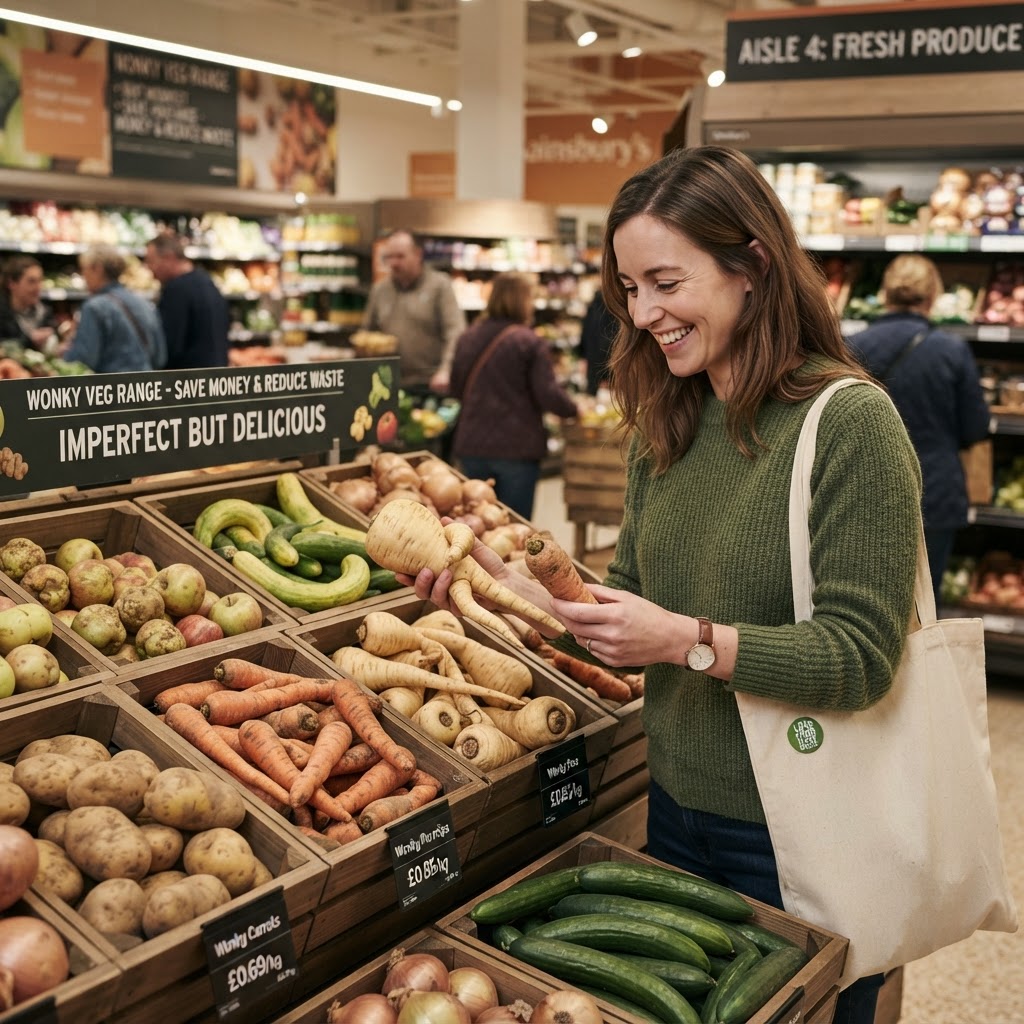
How to make the most of UK supermarket 'misshapen' fruit and veg ranges
Buying imperfect produce from UK supermarkets is a simple way to reduce your grocery bill without compromising on nutrition. Here is how to navigate these ranges to maximise your savings.
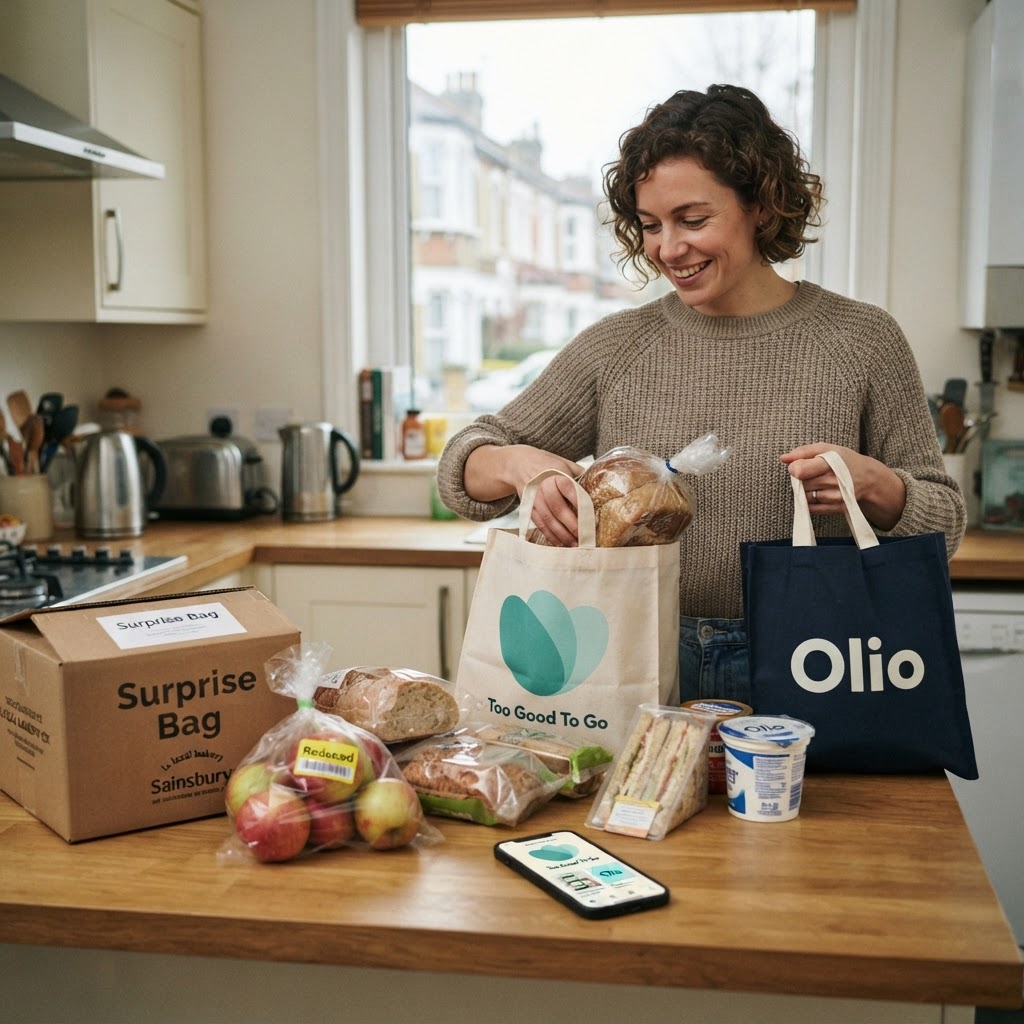
How to legally use 'Too Good To Go' and 'Olio' for massive grocery savings in the UK
Surplus food apps are transforming how households shop by offering significant discounts on fresh goods that would otherwise be binned. Here is how to use them effectively to cut your weekly bill.