
Saving on Organic Produce: How UK Households Can Cut Costs
Buying organic food doesn't have to break the bank. This guide provides practical tips for finding affordable organic options and highlights the best places to shop in the UK.
Understanding the Organic Market
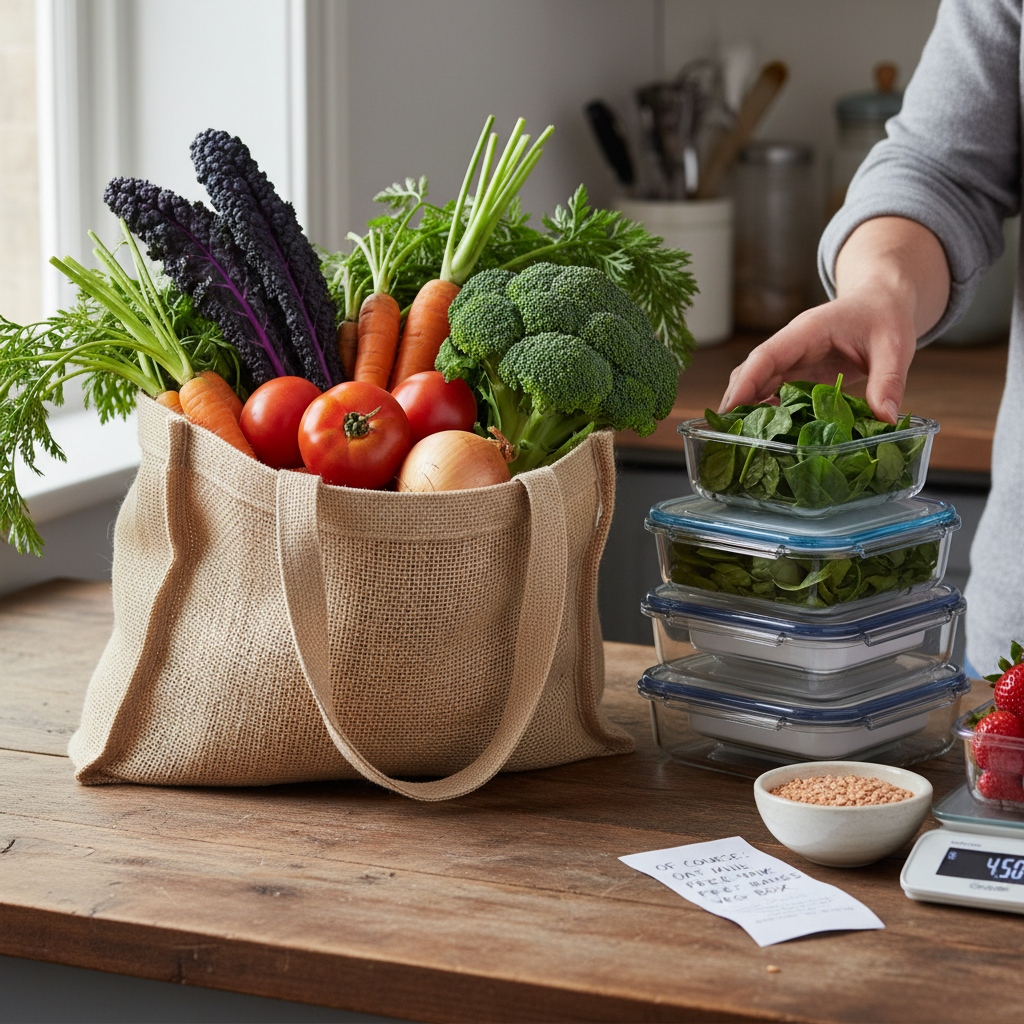
Organic food has gained popularity in recent years, with UK sales reaching £2.79 billion in 2022, according to the Soil Association. However, many consumers are deterred by the higher prices often associated with organic produce. The key to enjoying organic food without overspending lies in knowing where to shop and how to time your purchases effectively.
Where to Buy Organic Produce
1. Farmers’ Markets
Farmers’ markets are a fantastic place to find local organic produce at competitive prices. Many vendors sell directly from their farms, meaning you can avoid middlemen and often get fresher produce. According to research by the National Farmers' Union, shopping at a farmers’ market could save you up to 30% compared to supermarket prices, especially when buying in bulk or seasonal produce.
2. Online Grocery Deliveries
Websites like Riverford or Abel & Cole specialize in organic box schemes that deliver fresh, seasonal organic produce straight to your door. While these services come with a subscription fee, they often provide discounts for first-time users and seasonal promotions. By opting for a standard box rather than selecting individual items, savings of around £10 per week are possible. Additionally, online retailers like Amazon Fresh and Ocado often provide special offers on organic products that you can take advantage of in your regular grocery runs.
3. Supermarket Loyalty Schemes
Check if your local supermarket chains offer loyalty programs that can help you save on organic items. Tesco and Sainsbury’s, for example, have loyalty schemes where points can be accrued on every purchase, including organic. According to Which?, customers can save about £1.50 a week through these schemes, translating into up to £78 a year if you shop consistently.
Planning and Timing Your Purchases
1. Buy Seasonal and Local
Buying seasonal organic fruit and vegetables means less reliance on imports, which can drive prices up. Use resources such as the seasonal food calendar from the UK’s Food Standards Agency to know what’s best to buy each month. For example, buying organic apples in October will likely be much cheaper than trying to source them in summertime. Expect to save an average of 25% on seasonal organic produce.
2. Bulk Buying
If you have the storage space, consider buying organic items in bulk. Many online retailers offer discounts for larger quantities. This method is particularly effective for non-perishable items like pasta, grains, and preserved goods. Bulk buying can save you anywhere from 10% to 20% per item.
3. Use Community Supported Agriculture (CSA)
Joining a CSA allows you to pay upfront for a share of local farms' produce throughout the season. This not only supports local farmers but often results in a significant discount compared to buying individual organic items at retail prices. Research shows that CSA members typically save around 15% on their organic produce compared to conventional grocery shopping.
Utilising Coupons and Apps
Never underestimate the power of coupons and discount apps. Websites like Freebie Mama and Money Saving Expert often list discounts on organic products. Similarly, apps like Too Good To Go and Olio help reduce food waste by allowing users to purchase surplus food from local shops at a fraction of the price. By using these platforms, savings can extend to £100 a year for regular buyers.
Conclusion
Switching to organic produce doesn't have to result in financial strain. By focusing on local sources, seasonal items, and taking advantage of loyalty schemes and bulk buying, UK households can enjoy the health benefits of organic foods while keeping their grocery bills manageable. By implementing these strategies, it's realistic for families to cut their organic food expenses by an estimated £200 annually.
Not only will these decisions help your wallet, but they will also contribute positively to local ecosystems and sustainable farming practices. The journey to sustainable living can indeed be budget-friendly.
One email. Every Sunday. The tips that actually save UK households money.
More on food & groceries
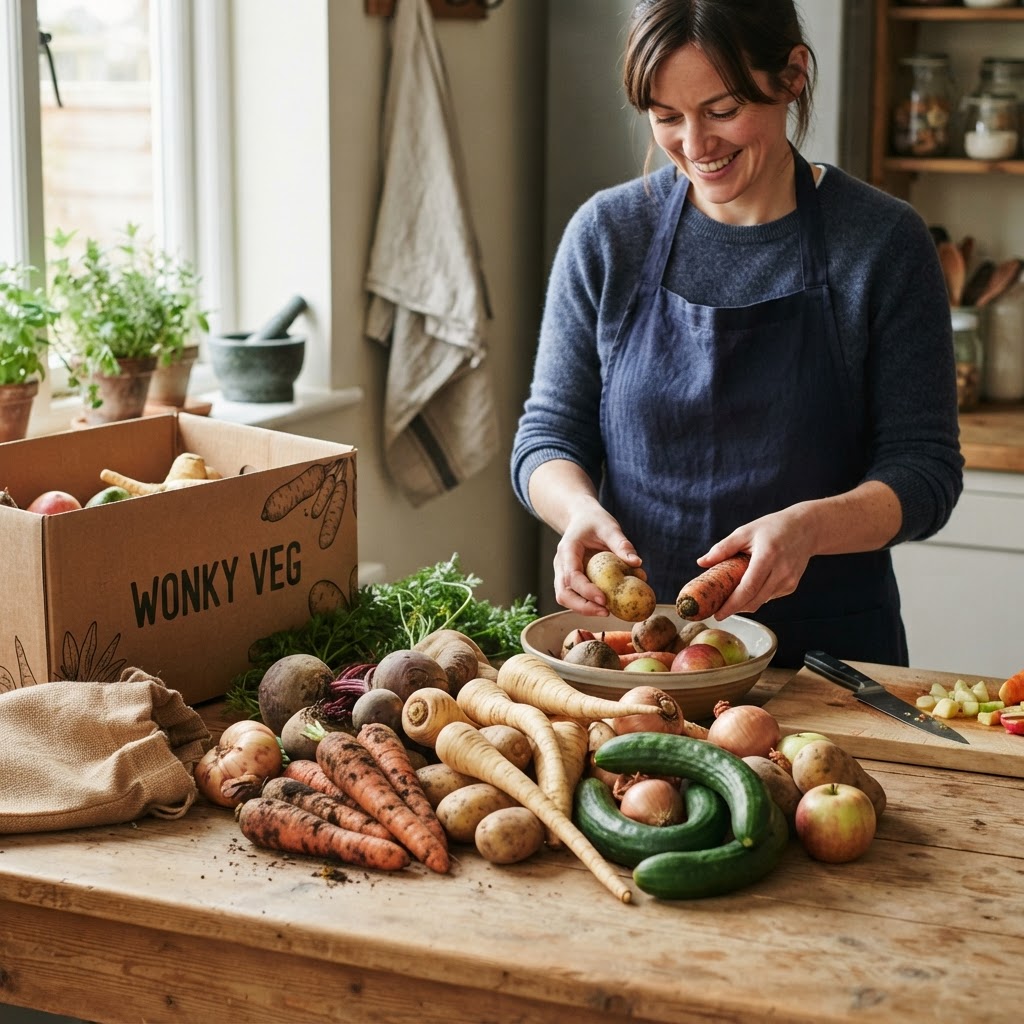
How to make the most of 'wonky' veg boxes and supermarket 'ugly' produce ranges in 2026
Buying imperfect fruit and vegetables can slash your weekly grocery bill by up to 30 percent while helping reduce household waste.
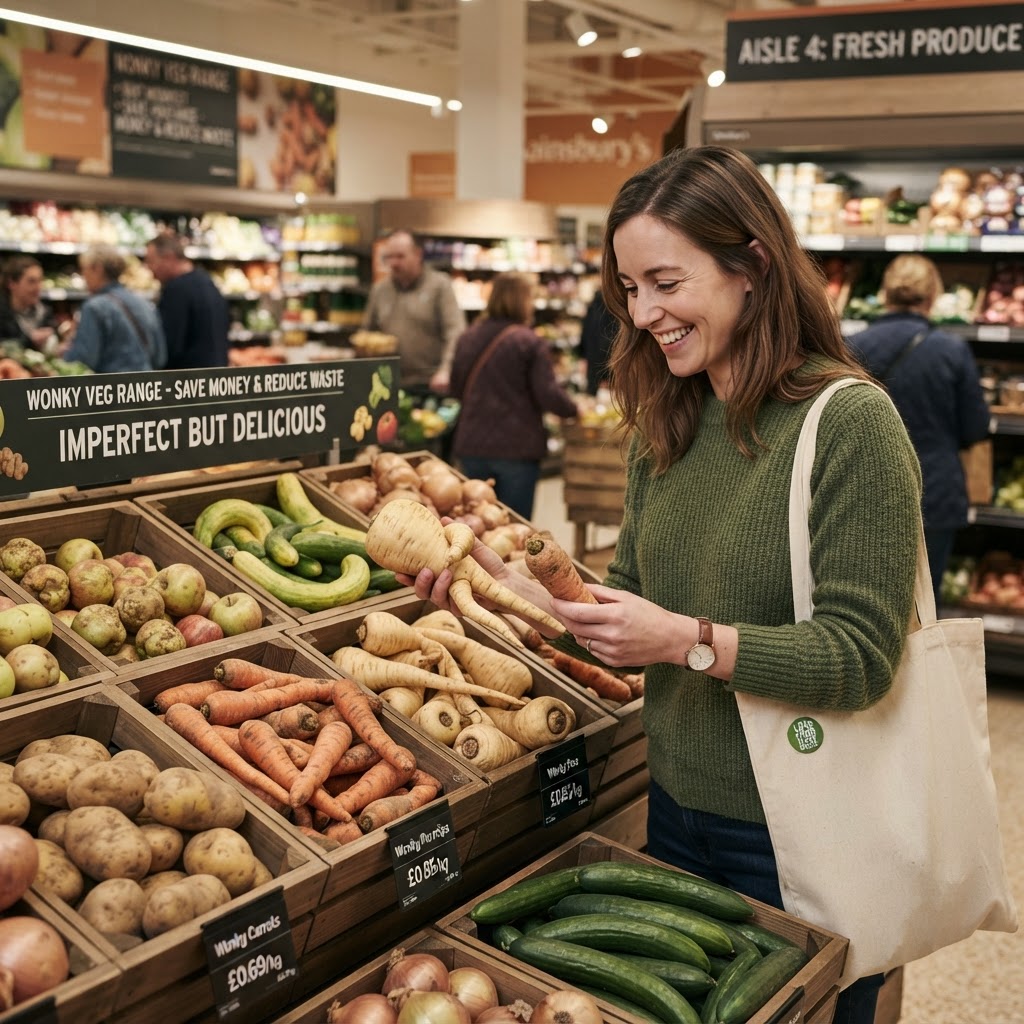
How to make the most of UK supermarket 'misshapen' fruit and veg ranges
Buying imperfect produce from UK supermarkets is a simple way to reduce your grocery bill without compromising on nutrition. Here is how to navigate these ranges to maximise your savings.
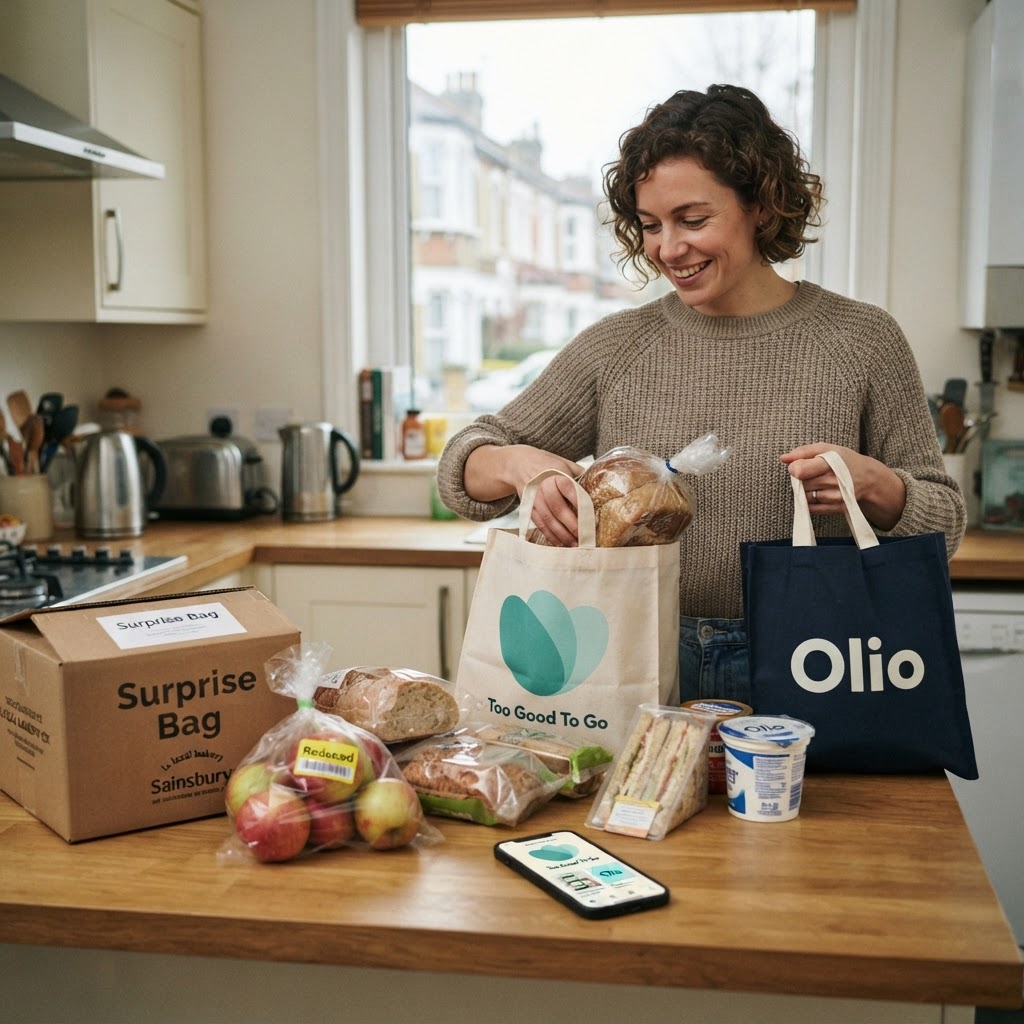
How to legally use 'Too Good To Go' and 'Olio' for massive grocery savings in the UK
Surplus food apps are transforming how households shop by offering significant discounts on fresh goods that would otherwise be binned. Here is how to use them effectively to cut your weekly bill.