
Strategic Shopping: How to Use UK Supermarkets’ Shared Loyalty Schemes for Maximum Savings
Maximise your savings by taking advantage of shared loyalty schemes across UK supermarkets. Learn how to effectively combine points from various supermarkets to cut your grocery bills.

Introduction
In recent years, UK supermarkets have introduced a range of loyalty schemes that not only reward customers with points but also often allow them to collaborate with other stores. This cross-compatibility means that savvy shoppers can maximise their savings by strategically planning their grocery shops. This article explores how you can benefit from these shared loyalty schemes and manage your grocery expenses more effectively.
Understanding Shared Loyalty Schemes
UK supermarkets such as Tesco, Sainsbury's, and Morrisons have developed loyalty programs—Clubcard, Nectar, and More Card, respectively. While traditionally these programs operate independently, many supermarkets have begun to partner with each other. For instance, Sainsbury's customers can collect Nectar points that can often be redeemed at Shell petrol stations. This means that shopping smartly across recognized brands can yield points from multiple sources.
By understanding how these schemes work together, you can accumulate points more quickly than if you were only focusing on one supermarket. For example, by purchasing groceries at Sainsbury's and buying your fuel at Shell, you’re not just saving on fuel; you're also collecting Nectar points that can lead to significant discounts at Sainsbury’s stores.
How to Capitalise on Multiple Schemes
To truly benefit from shared schemes, try the following strategies:
-
Monitor Promotions: Supermarkets frequently run promotions that allow you to earn extra points for shopping at partner stores. Keep an eye out for these limited-time offers to boost your points.
-
Combine Loyalty Points: Plan your shopping trips around the stores that offer compatible points. For example, if you know you’ll be purchasing fuel soon, consider shopping at Sainsbury's to earn double points during the promotion.
-
Redeem Wisely: Don’t wait too long to redeem your points. Look for opportunities to use your accumulated loyalty points during sales at supermarkets to double your savings.
-
Use Apps for Tracking: Download the relevant loyalty apps to your smartphone. These apps provide updates on point totals and any current promotional offers, reminding you when you can make the most of your points.
-
Plan Your Meals: One of the best ways to reduce your grocery bills is to inventory your pantry before you shop. This not only helps avoid duplicate purchases but also allows you to plan meals that incorporate ingredients you already have. Combining this tactic with loyalty points can further enhance your savings.
The Numbers: Calculating Your Potential Savings
According to a report by Which?, the average UK family spends around £290 a month on groceries. If you can strategically leverage loyalty schemes to recover even modest savings, the results can be significant over time.
Estimating Savings
- Join Loyalty Programs: By joining 2-3 loyalty programs and actively participating, you can expect to recover approximately 1-5% of your total monthly grocery spend.
- Estimated Annual Savings: For a family spending £290 per month, that’s about £3.48 to £14.58 saved per month from points and promotions. Annually, this amounts to between £41.76 and £174.96.
- Combine with Special Offers: If you time your loyalty points redemption with special offers or discount events, you could double your savings—leading to potential annual savings of around £200+.
By employing these strategies, many families can realistically save £150-£200 a year, depending on their spending habits and how effectively they manage their loyalty points.
Additional Tips for Grocery Savings
While loyalty schemes play a significant role in reducing your grocery bills, consider these additional strategies:
- Bulk Buying: When possible, buy in bulk for non-perishables. This cuts down on future grocery costs and often comes with extra loyalty points.
- Check Price Compare Websites: Use websites like Compare the Market or PriceRunner to check which supermarket currently has the best prices on the items you need.
- Timing Your Shopping: Shopping late in the day often leads to finding reduced-price items from the same day—helping you save even more.
Conclusion
Incorporating shared supermarket loyalty schemes into your budgeting strategy can yield considerable savings for UK households. By understanding how to effectively combine programs, keeping track of promotions, and planning your shopping, you can significantly reduce your grocery bills. With the potential to save up to £200 a year, it’s worth taking the time to be an informed and strategic shopper.
Maximise your savings, reduce waste, and ensure your grocery expenses are as low as possible. With a little effort, you can cut your bills while still enjoying the products you love.
One email. Every Sunday. The tips that actually save UK households money.
More on food & groceries
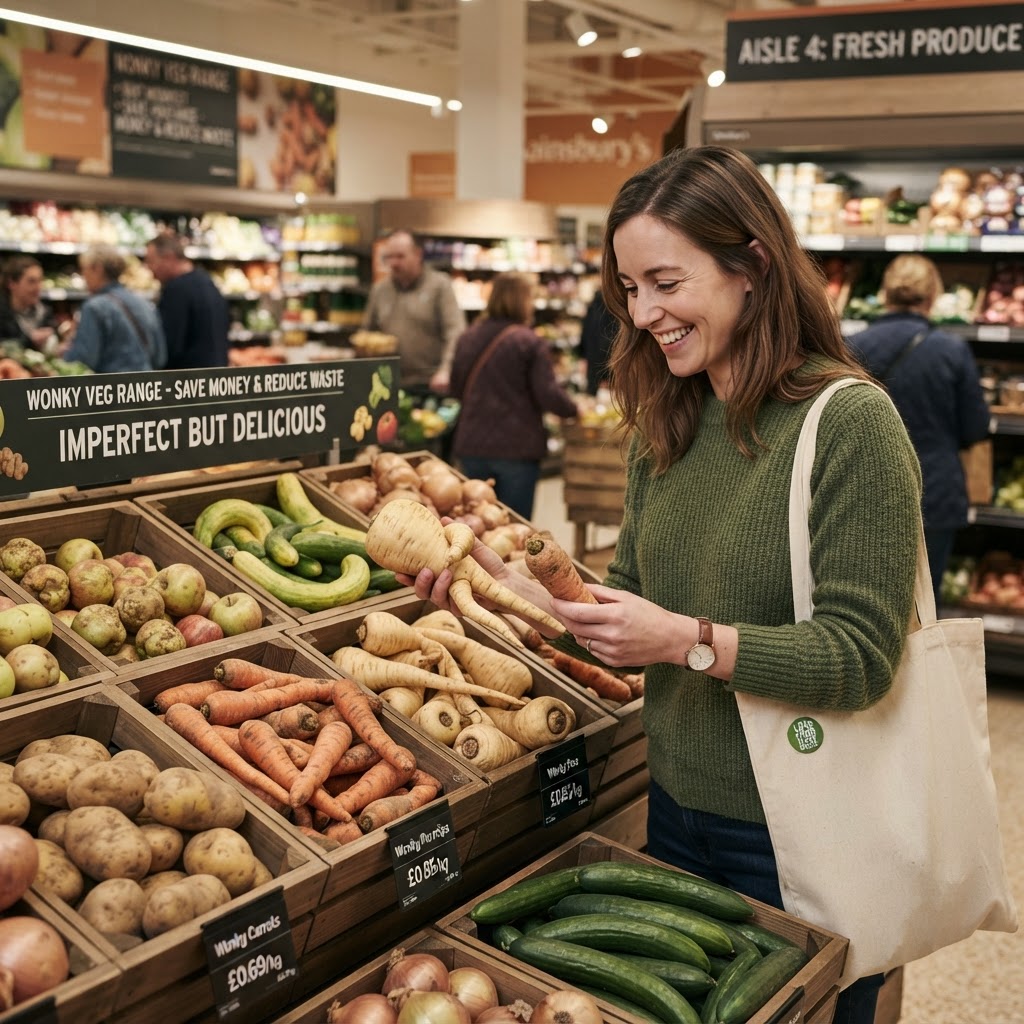
How to make the most of UK supermarket 'misshapen' fruit and veg ranges
Buying imperfect produce from UK supermarkets is a simple way to reduce your grocery bill without compromising on nutrition. Here is how to navigate these ranges to maximise your savings.
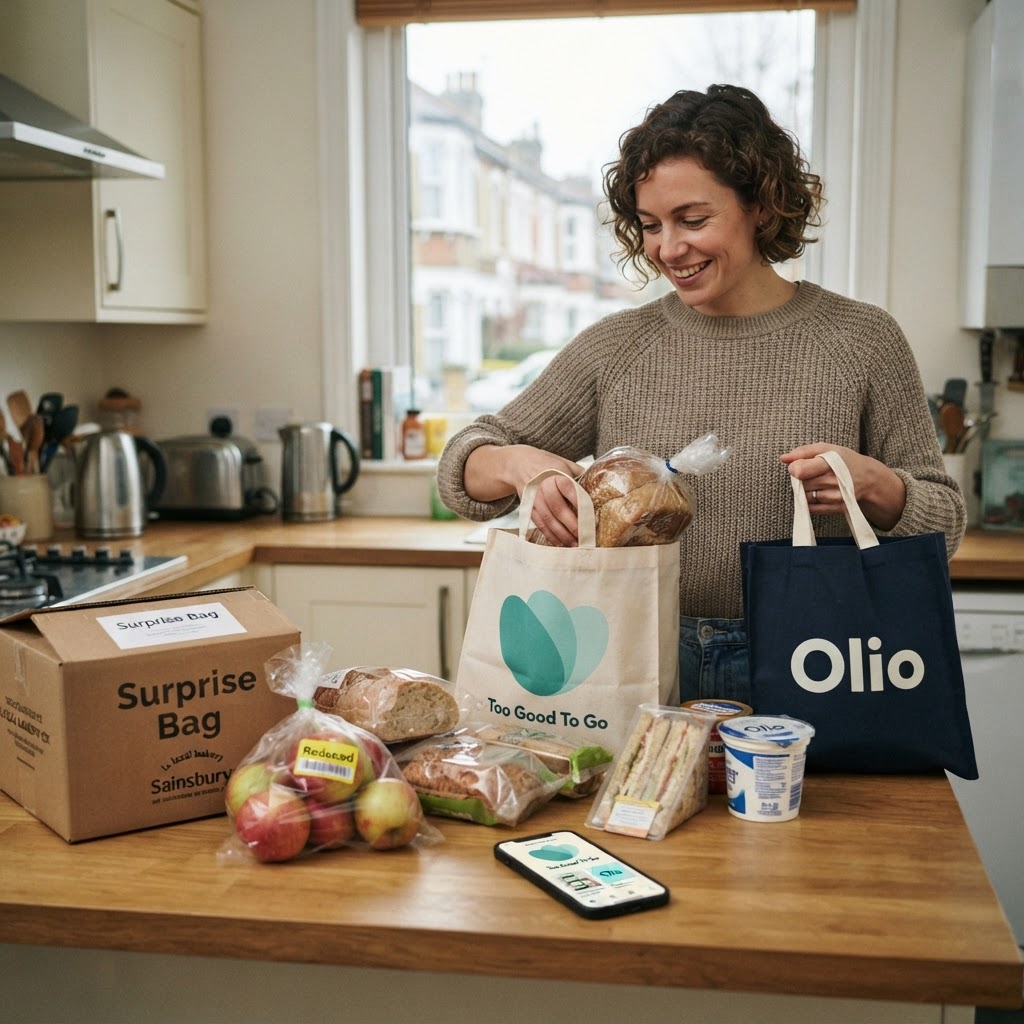
How to legally use 'Too Good To Go' and 'Olio' for massive grocery savings in the UK
Surplus food apps are transforming how households shop by offering significant discounts on fresh goods that would otherwise be binned. Here is how to use them effectively to cut your weekly bill.
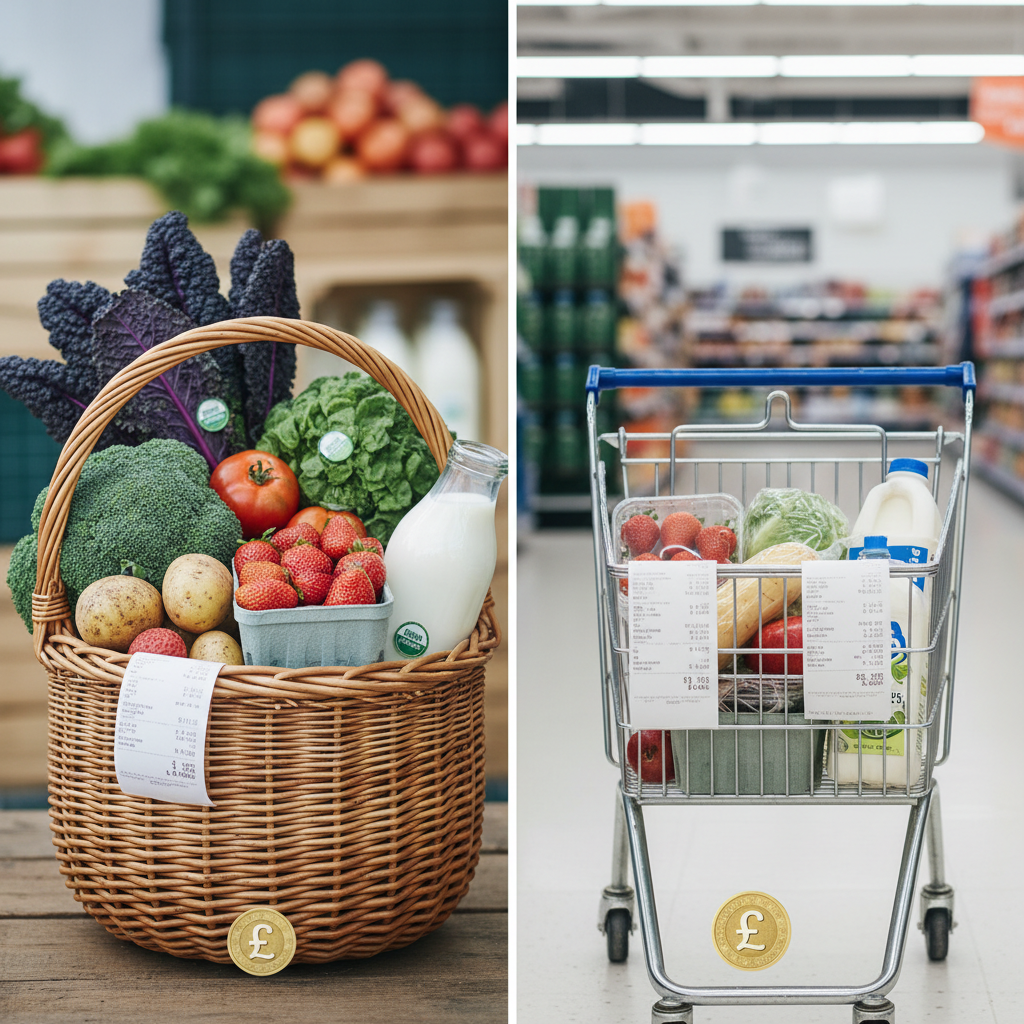
Understanding the Cost of Organic Foods in the UK: Are They Worth It?
Organic food can be more expensive than conventional options, but understanding the reasons behind the pricing can help you make informed decisions and potentially save money.