
Yellow-sticker timings: the best hours to shop at Tesco, Aldi, M&S and Morrisons
A definitive guide to timing your supermarket trips to maximise yellow-sticker savings, ensuring you get the best deals at Tesco, Aldi, M&S, and more.
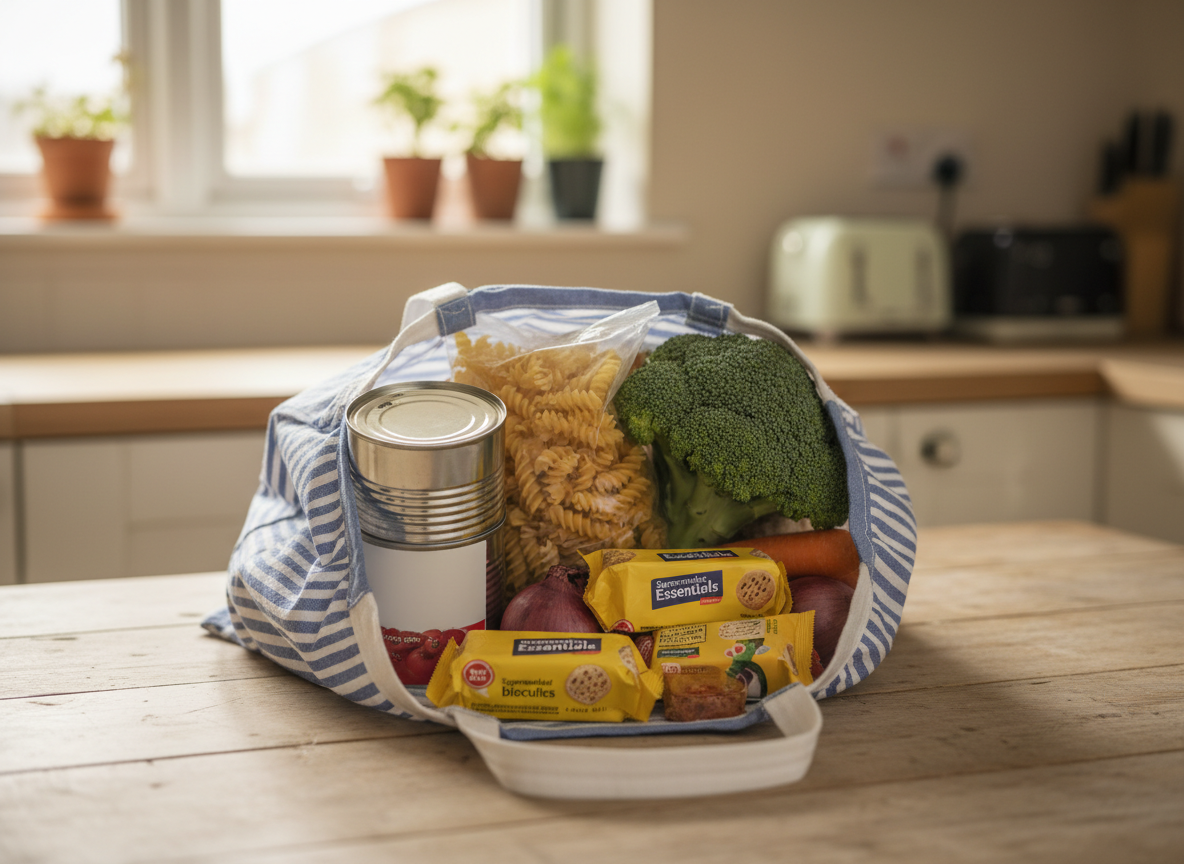
Yellow-sticker shopping is the most practical way to combat the rising cost of living, effectively turning supermarket waste into household savings. By timing your visits to match the internal markdown schedules of major UK retailers, you can realistically cut your monthly grocery bill by up to 50 percent.
This is not about scavenging; it is a systematic approach to procurement that keeps the average household, currently dealing with food inflation that has stabilised but remains persistent in 2026, well-stocked for a fraction of the cost.
Supermarket markdown lifecycle
While staff discretion plays a role, stores operate on strict automated systems designed to clear perishables before they reach their use-by dates. Tesco typically initiates its first wave of reductions around 8am, but the primary window for shoppers seeking substantial savings is between 6pm and 7pm, with a final clear-out occurring after 8pm. Sainsbury's often runs a two-tier system: the first wave commences in the early afternoon around 1pm, with a second, more aggressive reduction period starting at 7pm.
Morrisons remains the most fluid; their staff often mark items down incrementally throughout the day, with the deepest cuts consistently appearing within the final hour of trade. Waitrose follows a more uniform approach, with significant activity beginning after 5pm, peaking shortly before the store doors lock for the night. Discounter chains such as Aldi and Lidl operate differently, applying a single, substantial discount—often 50%—on items nearing their expiry date, usually first thing in the morning.
Success here requires early arrival, as these items are rarely left on shelves for long.
Freezer as financial tool
The utility of yellow-sticker shopping is limited only by your freezer capacity. Do not view these items as meals for tonight; view them as inventory for the coming month. Raw meat and fish are the gold standard for freezer-aisle shopping; provided they are processed immediately upon arrival at home, they remain safe for up to three months.
Bread, bagels, and crumpets can be stored in their original packaging and thawed individually, preventing the common problem of stale crusts. Hard cheeses, when grated before freezing, are ideal for pasta bakes or toasties later in the week. Cooked meats and ready meals can also be frozen, provided they have not previously been defrosted.
If you are struggling to manage your budget, it is worth checking the Citizens Advice resources on managing debt, as food costs are often the primary driver of household cash flow issues.
Items to avoid
Not every yellow sticker represents value. Items with a very short post-purchase life, such as pre-packed leafy salads, bags of soft tomatoes, or ready-prepared fruit medleys, often spoil within hours. If a product requires you to alter your meal plan to an inconvenient degree just to avoid waste, you are not saving money; you are simply changing the nature of your consumption.
Be particularly wary of cream-based desserts or prepared deli items that have already been left at room temperature for an extended period. If an item is already showing signs of degradation, even a 70% discount does not make it a bargain; it makes it a potential food safety risk.
Integrating the hunt
The mistake many make is treating supermarket reductions as a specific chore, which adds to the mental burden of managing a household. Instead, align your shopping with existing routines. If you commute, use the walk home to pop into a larger supermarket branch during the 6pm-7pm window.
If you are doing the school run, scan the shelves on your return journey. Twenty minutes of focused effort once a week, armed with a clear plan for your freezer space, is sufficient to feed a family significantly cheaper than relying on full-priced goods. In 2026, with the Bank of England base rate fluctuating and general living costs high, every pound saved at the checkout is money that can be reallocated to essential bills or high-interest debt repayments.
The bottom line
Yellow-sticker shopping is a high-yield habit that requires consistency rather than effort. By synchronising your shopping with store reduction times and treating your freezer as a pantry, you can permanently lower your food expenditure regardless of market volatility.
One email. Every Sunday. The tips that actually save UK households money.
More on food & groceries

How to make the most of 'wonky' veg boxes and supermarket 'ugly' produce ranges in 2026
Buying imperfect fruit and vegetables can slash your weekly grocery bill by up to 30 percent while helping reduce household waste.
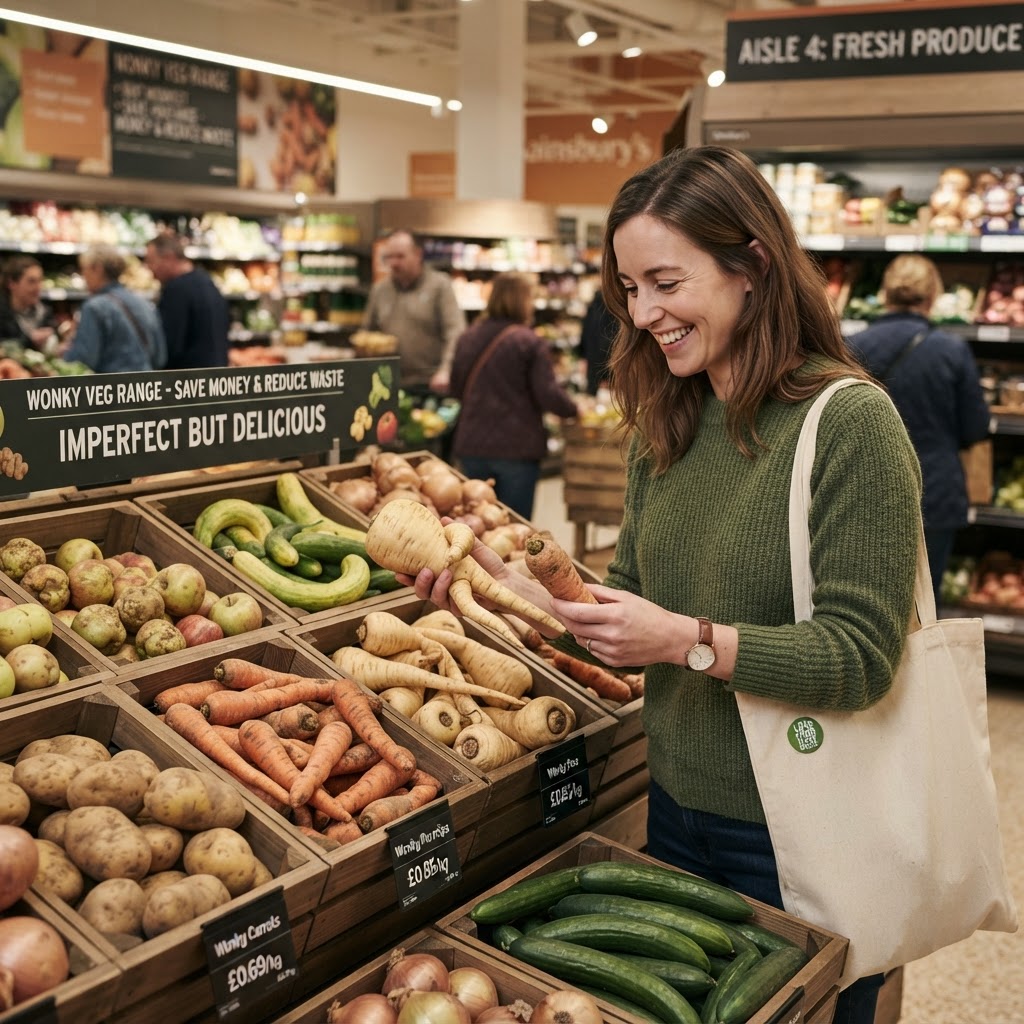
How to make the most of UK supermarket 'misshapen' fruit and veg ranges
Buying imperfect produce from UK supermarkets is a simple way to reduce your grocery bill without compromising on nutrition. Here is how to navigate these ranges to maximise your savings.
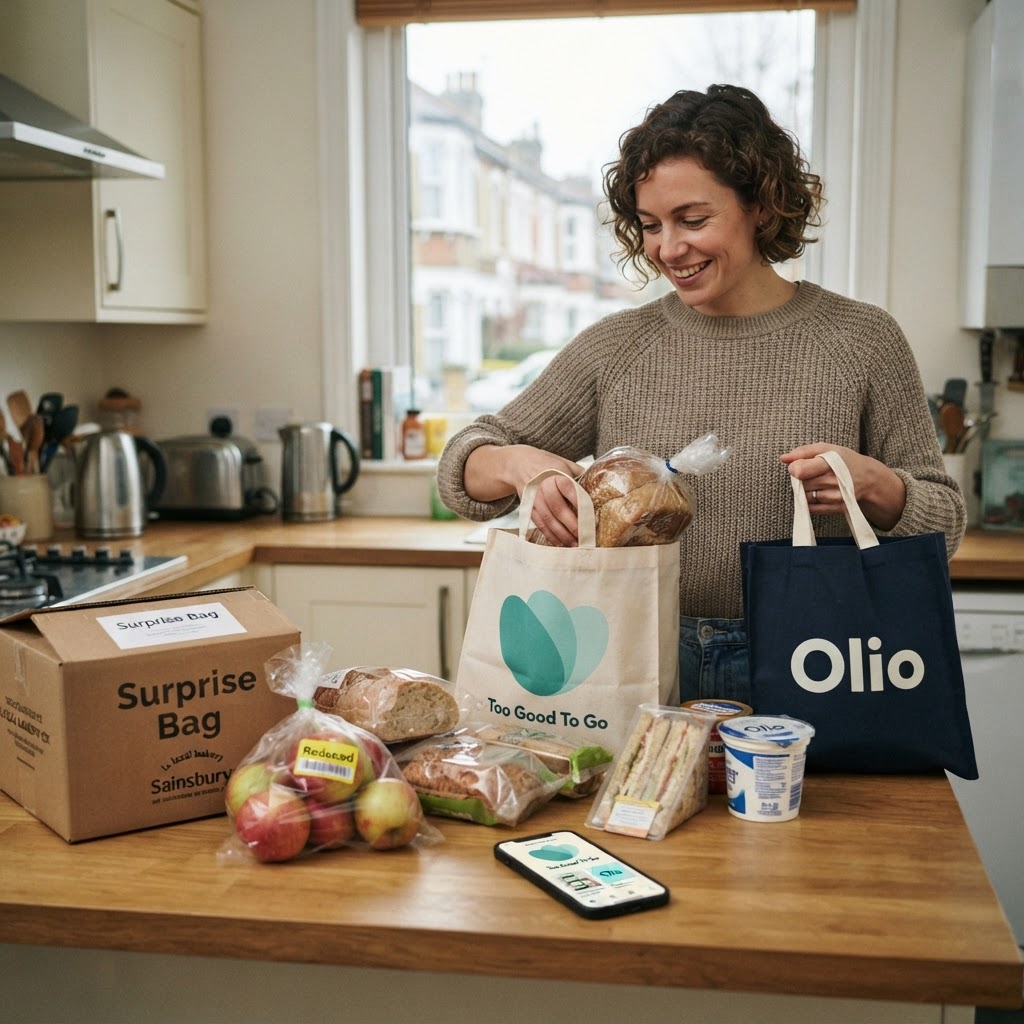
How to legally use 'Too Good To Go' and 'Olio' for massive grocery savings in the UK
Surplus food apps are transforming how households shop by offering significant discounts on fresh goods that would otherwise be binned. Here is how to use them effectively to cut your weekly bill.